New COVID Threat: WHO declares Omicron (B.1.1.529) the new COVID-19 Variant of Concern

COVID-19 Word Cloud

[WHO Statement, 26 November 2021] – The Technical Advisory Group on SARS-CoV-2 Virus Evolution (TAG-VE) is an independent group of experts that periodically monitors and evaluates the evolution of SARS-CoV-2 and assesses if specific mutations and combinations of mutations alter the behaviour of the virus. The TAG-VE was convened on 26 November 2021 to assess the SARS-CoV-2 variant: B.1.1.529.

The B.1.1.529 variant was first reported to WHO from South Africa on 24 November 2021. The epidemiological situation in South Africa has been characterized by three distinct peaks in reported cases, the latest of which was predominantly the Delta variant. In recent weeks, infections have increased steeply, coinciding with the detection of B.1.1.529 variant. The first known confirmed B.1.1.529 infection was from a specimen collected on 9 November 2021.

This variant has a large number of mutations, some of which are concerning. Preliminary evidence suggests an increased risk of reinfection with this variant, as compared to other VOCs. The number of cases of this variant appears to be increasing in almost all provinces in South Africa. Current SARS-CoV-2 PCR diagnostics continue to detect this variant. Several labs have indicated that for one widely used PCR test, one of the three target genes is not detected (called S gene dropout or S gene target failure) and this test can therefore be used as marker for this variant, pending sequencing confirmation. Using this approach, this variant has been detected at faster rates than previous surges in infection, suggesting that this variant may have a growth advantage.

There are a number of studies underway and the TAG-VE will continue to evaluate this variant. WHO will communicate new findings with Member States and to the public as needed.

Based on the evidence presented indicative of a detrimental change in COVID-19 epidemiology, the TAG-VE has advised WHO that this variant should be designated as a VOC, and the WHO has designated B.1.1.529 as a VOC, named Omicron.

As such, countries are asked to do the following:

  • enhance surveillance and sequencing efforts to better understand circulating SARS-CoV-2 variants.
  • submit complete genome sequences and associated metadata to a publicly available database, such as GISAID.
  • report initial cases/clusters associated with VOC infection to WHO through the IHR mechanism.
  • where capacity exists and in coordination with the international community, perform field investigations and laboratory assessments to improve understanding of the potential impacts of the VOC on COVID-19 epidemiology, severity, effectiveness of public health and social measures, diagnostic methods, immune responses, antibody neutralization, or other relevant characteristics.

Individuals are reminded to take measures to reduce their risk of COVID-19, including proven public health and social measures such as wearing well-fitting masks, hand hygiene, physical distancing, improving ventilation of indoor spaces, avoiding crowded spaces, and getting vaccinated.

Source:

WHO Statement, 26 November 2021

Video presentation

New CDC Recommendations: COVID-19 Vaccination Safe during Pregnancy

New CDC Recommendations: COVID-19 Vaccination Safe during Pregnancy

The US Centers for Disease Control and Prevention recommends COVID-19 vaccination for all people aged 12 years and older, including people who are pregnant, breastfeeding, trying to get pregnant now, or might become pregnant in the future. Pregnant and recently pregnant people are more likely to get severely ill with COVID-19 compared with non-pregnant people. Getting a COVID-19 vaccine can protect you from severe illness from COVID-19.

CDC recommendations are in line with those from professional medical organizations including the American College of Obstetricians and Gynecologists and the Society for Maternal Fetal Medicine.

Recommendations for pregnant mom/mom-to-be

If you are pregnant, you might want to have a conversation with your healthcare provider about COVID-19 vaccination. While such a conversation might be helpful, it is not required before vaccination. You can receive a COVID-19 vaccine without any additional documentation from your healthcare provider.

If you got pregnant after receiving your first shot of a COVID-19 vaccine that requires two doses (i.e., Pfizer-BioNTech COVID-19 vaccine or Moderna COVID-19 vaccine), you should get your second shot to get as much protection as possible. If you experience fever following vaccination, you should take paracetamol (EASADOL®) because fever—for any reason—has been associated with adverse pregnancy outcomes.

Recommendations for breastfeeding mom

COVID-19 vaccination is recommended for all people 12 years and older, including people who are breastfeeding. Clinical trials for the COVID-19 vaccines currently used in the United States did not include people who are breastfeeding. Because the vaccines have not been studied in people who are breastfeeding, there are limited data available on the:

  • Safety of COVID-19 vaccines in people who are breastfeeding
  • Effects of vaccination on the breastfed baby
  • Effects on milk production or excretion

COVID-19 vaccines cannot cause infection in anyone, including the mother or the baby, and the vaccines are effective at preventing COVID-19 in people who are breastfeeding. Recent reports have shown that breastfeeding people who have received mRNA COVID-19 vaccines have antibodies in their breastmilk, which could help protect their babies. More data are needed to determine what protection these antibodies may provide to the baby.

Learn more

FDA warns about increased risk of death associated with Melphalan flufenamide

FDA warns about increased risk of death associated with Melphalan flufenamide

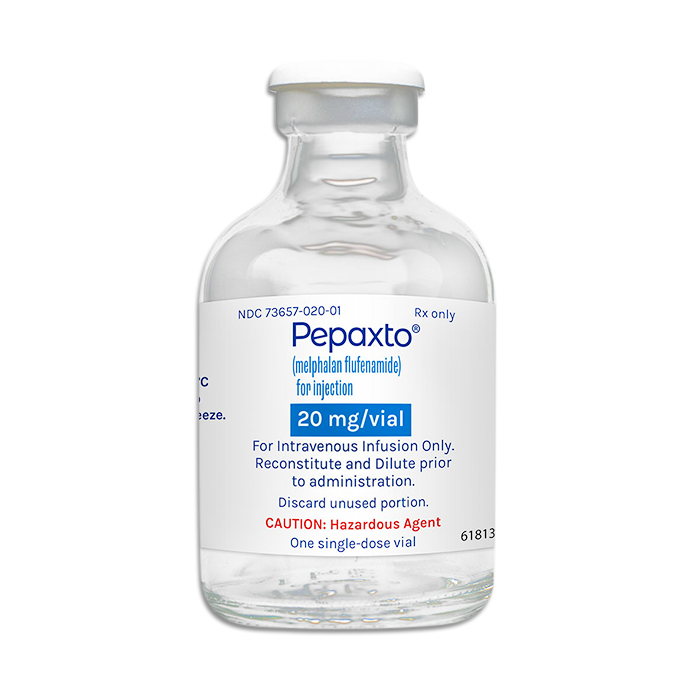
[FDA MedWatch, July 28, 2021] – The U.S. FDA is alerting patients and health care professionals that a clinical trial (OCEAN, Study OP-103) evaluating Pepaxto (melphalan flufenamide) with dexamethasone to treat patients with multiple myeloma showed an increased risk of death. 

The trial compared Melphalan with low-dose Dexamethasone to Pomalidomide with low-dose Dexamethasone in patients with relapsed or refractory (resistant) multiple myeloma following 2-4 lines of prior therapy and in patients who were resistant to Lenalidomide in the last line of therapy.

FDA approved Melphalan in February 2021, for use in combination with Dexamethasone to treat adult patients with relapsed or refractory multiple myeloma who have received at least four prior lines of therapy and whose disease was refractory to at least one proteasome inhibitor, one immunomodulatory agent, and one CD38-directed monoclonal antibody.

RECOMMENDATIONS: 

  • FDA encourages health care professionals to review patients’ progress on Melphalan and discuss the risks of continued administration with each patient in the context of other treatments.
  • Patients currently receiving Melphalan should also discuss with their health care professional the risks and benefits of receiving Melphalan.

Source:

FDA CDER Alert, July 28, 2021

FDA requests removal of strongest warning against statin use during pregnancy

FDA requests removal of strongest warning against statin use during pregnancy

[FDA Drug Safety Communication, July 20, 2021] – The U.S. FDA is requesting removal of its contraindication against using cholesterol-lowering statins in pregnant patients. However, the agency still advises most patients should stop statins once they learn they are pregnant.

A contraindication is FDA’s strongest warning and is only added when a medicine should not be used because the risk clearly outweighs any possible benefit. Because the benefits of statins may include prevention of serious or potentially fatal events in a small group of very high-risk pregnant patients, contraindicating these drugs in all pregnant women is not appropriate.

FDA expects removing the contraindication will enable health care professionals and patients to make individual decisions about benefit and risk, especially for those at very high risk of heart attack or stroke. This includes patients with homozygous familial hypercholesterolemia and those who have previously had a heart attack or stroke.

Breastfeeding not recommended in patients who require statins

Patients should not breastfeed when taking a statin because the medicine may pass into breast milk and pose a risk to the baby. Many can stop statins temporarily until breastfeeding ends. However, patients requiring ongoing statin treatment should not breastfeed and instead use infant formula or other alternatives.

RECOMMENDATIONS:

Health care professionals should discontinue statin therapy in most pregnant patients, or they can consider the ongoing therapeutic needs of the individual patient, particularly those at very high risk for cardiovascular events during pregnancy. Because of the chronic nature of cardiovascular disease, treatment of hyperlipidemia is not generally necessary during pregnancy. Discuss with patients whether they may discontinue statins temporarily while breastfeeding. Advise those who require a statin because of their cardiovascular risk that breastfeeding is not recommended because the medicine may pass into breast milk.

We hope the revised language in the prescribing information will help reassure health care professionals that statins are safe to prescribe in patients who can become pregnant, and help them reassure patients with unintended statin exposure in early pregnancy or before pregnancy is recognized that the medicine is unlikely to harm the unborn baby

FDA Drug Safety Communication, 07/20/2021

Source:

FDA Drug Safety Communication, July 20, 2021

Health Canada: Use of Non-Steroidal Anti-Inflammatory Drugs (NSAIDs) beyond 20 weeks of pregnancy and risk of kidney damage in unborn babies

Health Canada: Use of Non-Steroidal Anti-Inflammatory Drugs (NSAIDs) beyond 20 weeks of pregnancy and risk of kidney damage in unborn babies

[Health Canada Recalls & Safety Alerts, June 8, 2021] – The use of non-steroid anti-inflammatory drugs (NSAIDs)—such as acetylsalicylic acid (aspirin), ibuprofen, naproxen, diclofenac and celecoxib —starting from approximately 20 weeks of pregnancy or later, may cause rare but serious kidney problems in an unborn baby. This can lead to low levels of amniotic fluid and possible complications, such as impaired lung maturation and loss of joint movement (limb contractures) in the newborn baby.

Based on the outcome of the safety review, the agency is advising that pregnant women not use NSAIDs from approximately 20 to 28 weeks of pregnancy, unless advised to do so by their healthcare professional.

RECOMMENDATIONS FOR THE HEALTHCARE PROFESSIONALS: If the use of NSAIDs between 20 and 28 weeks of pregnancy is necessary, Health Canada recommends that they use the lowest effective dose for the shortest duration possible, and that they consider monitoring amniotic fluid levels via ultrasound if treatment extends beyond 48 hours. These recommendations do not apply to the use of low-dose (81 mg) aspirin, pediatric-only formulations (i.e., those only indicated for children less than 12 years of age) or NSAIDs administered directly to the eye.

Source:

Health Canada Recalls & Safety Alerts, June 8, 2021

Current Trends in the Pharmacologic Management of Rheumatoid Arthritis

Current Trends in the Pharmacologic Management of Rheumatoid Arthritis

The management of Rheumatoid Arthritis (RA) changed drastically following discovery that the damage to the joints was already well underway within the first year of the disease. This finding forms the basis of the current mainstay of pharmacological treatment of RA which is the Disease-Modifying Anti-Rheumatic Drugs otherwise known as DMARDs. These drugs essentially work by suppressing the body’s inflammatory response to the disease, hence the term “disease-modifying’. They suppress the action of B and T cells which are responsible for the processes that lead to the progress of symptoms in rheumatoid arthritis; they also slow down joint damage.

Early commencement of DMARD therapy has been found to be more successful than other less intensive strategies. Currently, combination therapies of 2 or more DMARDs have been shown to produce better results versus monotherapy. Although this is not true for all DMARD combinations, combination therapies such as methotrexate and cyclosporine have produced better disease control and more sustainable outcomes than monotherapy with methotrexate alone for example.

The risk for toxicity using conventional DMARDs however remains a challenge (especially when using combination therapy as this could potentially double the risk of toxicity). Methotrexate levels have to be carefully watched in patients on monotherapy for example due to the risks of bone marrow toxicity. This has led to the development of newer DMARDs with a broader therapeutic index. Leflunomide (LEF) is a new DMARD that decreases rheumatoid inflammation by inhibiting pyrimidine synthesis. It shows similar efficacy as methotrexate but lower levels of toxicity. Etanercept and Infliximab are also examples of emerging biologic DMARDs that show low toxicity however consensus for their use alone is still undecided and usually delayed till at least one non-biologic DMARD has been used without sufficient results.

Similarly, the previous mainstay for management of inflammatory responses in RA was the Non-Steroidal Anti-Inflammatory Drugs (NSAIDs), but prolonged use of NSAIDs posed the risk of GI toxicity as well as nephrotoxicity. The mode of action of NSAIDs involves non-specific inhibition of cyclooxygenase and subsequent production of inflammatory factors; this non-specific inhibition (of both COX-1 and COX-2 prostaglandins) is also responsible for the toxicity of NSAIDs. Inhibition of the COX-1 pathway decreases the production of prostaglandin G2 and H2 which are needed for GI protection aside from their inflammatory responses. Newly developed agent celecoxib can selectively inhibit the COX-2 pathway alone while sparing COX-1 and hence, reducing the adverse effects associated with traditional NSAIDs. Although these new agents are not proven to offer better results than NSAIDs, they are less toxic and recommended for RA patients at risk of GI bleeding or in place of prolonged NSAID use.

So how do you know when to initiate monotherapy or combination DMARD therapy? How do you determine the correct combination therapy for RA management? The American College of Rheumatology (ACR) developed recommendations and algorithms for use of non-biologic and biologic DMARDs for patients with RA.

In the updated 2012 report, for early RA (<6 months), DMARD monotherapy is recommended in cases with low and moderate disease activity without features of poor prognosis (such as functional limitation and extra-articular disease). In moderate disease activity with features of poor prognosis, double or triple combination DMARD therapy should be used. Patients with high disease activity without features of poor prognosis should be commenced on DMARD monotherapy or a combination of Hydroxychloroquine (HCQ) and Methotrexate (MTX). In high disease activity with features of poor prognosis, commence an Anti-TNF with or without methotrexate or double or triple combination DMARD therapy. See the Legend under the algorithm below for the DMARD combination regimens.

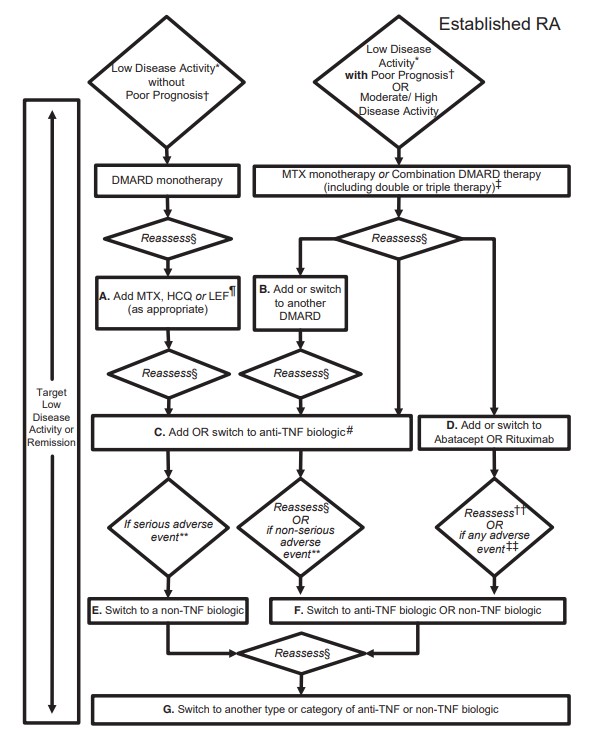
The management of long-standing or established RA (6 months or more) requires a more detailed process as highlighted in the algorithm below:

2012 American College of Rheumatology (ACR) recommendations update for the treatment of established rheumatoid arthritis (RA)
† Features of poor prognosis included the presence of 1 or more of the following: functional limitation (e.g., Health Assessment Questionnaire score or similar valid tools), extraarticular disease (e.g., presence of rheumatoid nodules, RA vasculitis, Felty’s syndrome), positive rheumatoid factor or anti-cyclic citrullinated peptide antibodies, and bony erosions by radiograph.
‡ Combination DMARD therapy with 2 DMARDs, which is most commonly MTX based, with few exceptions (e.g., MTX + HCQ, MTX + LEF, MTX + sulfasalazine, sulfasalazine + HCQ), and triple therapy (MTX + HCQ + sulfasalazine).
§ Reassess after 3 months and proceed with escalating therapy if moderate or high disease activity in all instances except after treatment with a non-TNF biologic (rectangle D), where reassessment is recommended at 6 months due to a longer anticipated time for peak effect.
¶ LEF can be added in patients with low disease activity after 3– 6 months of minocycline, HCQ, MTX, or sulfasalazine.
If after 3 months of intensified DMARD combination therapy or after a second DMARD has failed, the option is to add or switch to an anti-TNF biologic.
** Serious adverse events were defined per the US Food and Drug Administration (FDA; see below); all other adverse events were considered nonserious adverse events.
†† Reassessment after treatment with a non-TNF biologic is recommended at 6 months due to anticipation that a longer time to peak effect is needed for non-TNF compared to anti-TNF biologics.
‡‡ Any adverse event was defined as per the US FDA as any undesirable experience associated with the use of a medical product in a patient. The FDA definition of serious adverse event includes death, life-threatening event, initial or prolonged hospitalization, disability, congenital anomaly, or an adverse event requiring intervention to prevent permanent impairment or damage

The development of new DMARDs as well as selective COX-2 inhibitors open up new frontiers in RA management and provide new opportunities for better management. The eventual management process and decision on DMARD therapy depend on the duration of the disease and progression; new frontiers are currently being explored in TNF inhibitors amongst others.

References:

  1. St Clair EW (1999). Therapy of Rheumatoid Arthritis: New Developments and Trends. Current Rheumatology Reports, 1(2) 149–156. https://doi.org/10.1007/s11926-999-0012-6
  2. Schuna, A. A. & Megeff, C. (2000). New drugs for the treatment of rheumatoid arthritis. American Journal of Health-System Pharmacists, 57(3), 225–234. https://doi.org/10.1093/ajhp/57.3.225–
  3. 2012 Update of the 2008 American College of Rheumatology Recommendations for the Use of Disease-Modifying Antirheumatic Drugs and Biologic Agents in the Treatment of Rheumatoid Arthritis ( Jasvinder A. Singh et al). Arthritis Care & Research Vol. 64, No. 5, May 2012, pp 625– 639 DOI 10.1002/acr.21641

WHO’s AWaRe Classification of Antibiotics

WHO’s AWaRe Classification of Antibiotics

In 2017, WHO introduced the AWaRe (Access, Watch, Reserve) classification of antibiotics in its Essential Medicines List. The classification was further reviewed and expanded to include the most available antibiotics in 2019. AWaRe is a useful tool to enhance optimal use of antibiotics, reduce AMR (antimicrobial resistance), and ensure access. It aims to help prescribers, pharmacists, antibiotic stewards and policy makers to address the AMR challenge.

Antibiotics are not like other medicines – they are critical for human health and they are vulnerable

Dr. Mariângela Batista Galvão Simão, WHO’s Assistant Director-General, Medicines, Vaccines and Pharmaceuticals

The AWaRe classification groups antibiotics into the following categories:

ACCESS – antibiotics that represent first or second-line for empirical treatment of common infectious syndromes based on a systematic assessment of the available evidence and that have a favorable safety profile with a low propensity to further aggravate AMR. All ACCESS antibiotics are part of the EML core list, meaning that these antibiotics should be widely available in all settings (while still making efforts to ensure their appropriate use). Many penicillins belong to this class.

WATCH – antibiotics that present a higher potential to negatively impact AMR. Some Watch group antibiotics are also included in the EML core list since they are the most effective options for a limited group of well-defined clinical syndromes, but their use should be tightly monitored and restricted to the limited indications. Fluoroquinolones, which are unfortunately commonly used in many settings, belong to the WATCH group as their use should be avoided for indications for which they are no longer first or second choice.

RESERVE – “last-resort” antibiotics, which have activity against multi (MDR)- or extensively (XDR) resistant bacteria, and therefore represent a valuable, non-renewable resource that should be used as sparingly as possible. Some of the newly approved antibiotics (e.g., ceftazidime-avibactam) fall into this class, as do some of the older “rediscovered” antibiotics (e.g., polymyxins).

DISCOURAGED antibiotics – this fourth category – mostly including antibiotic combinations – was developed in the 2019 EML update. Some antibiotics, such as certain fixed dose combinations of antibiotics, do not have any reasonable indications for the treatment of infectious diseases in humans and may negatively impact AMR and patient safety. Examples include ceftriaxone/sulbactam, ofloxacin/ornidazole, etc.

The overall goal of AWaRe classification is to reduce the use of WATCH Group and RESERVE Group antibiotics (the antibiotics most crucial for human medicine and at higher risk of resistance), and to increase the use of ACCESS antibiotics where availability is low.

EMDEX Updates:

In line with the WHO recommendations, we are adopting the AWaRe classification and updating EMDEX database to align with the new antibiotic groups. The updates will be available in EMDEX mobile app soon and in the coming edition of EMDEX Prints.

In addition, EMDEX is being updated based on the current edition of Nigeria’s Essential Medicines List (NEML 2020 ed.) and the newly launched children’s edition (NEMLc 2020 ed.).

Sources:

  1. AWaRe_policy_brief.pdf. (n.d.). Retrieved May 9, 2021, from https://adoptaware.org/assets/pdf/aware_policy_brief.pdf
  2. WHO | WHO releases the 2019 AWaRe Classification Antibiotics. (n.d.). WHO; World Health Organization. Retrieved May 9, 2021, from http://www.who.int/medicines/news/2019/WHO_releases2019AWaRe_classification_antibiotics/en/

FDA Warns of Increased Risk of Cardiac Rhythm Problems with Lamotrigine in Patients with Heart Disease

FDA Experts Find Popular Oral Nasal Decongestant, Phenylephrine, Ineffective

[FDA Drug Safety Communication, March 31, 2021] – The U.S. Food and Drug Administration (FDA) review of study findings showed a potential increased risk of heart rhythm problems, called arrhythmias, in patients with heart disease who are taking the seizure and mental health medicine lamotrigine. The agency is now requiring studies to evaluate heart risk across the drug class.

The review followed reports of abnormal electrocardiographic (ECG) findings and some other serious problems (including chest pain, loss of consciousness, and cardiac arrest) associated with lamotrigine.

Health care professionals should assess whether the potential benefits of lamotrigine outweigh the potential risk of arrhythmias for each patient.  In vitro testing performed at therapeutically relevant concentrations showed that lamotrigine can increase the risk of serious arrhythmias, which can be life-threatening, in patients with clinically important structural or functional heart disorders (e.g., heart failure, valvular heart disease, congenital heart disease, conduction system disease, ventricular arrhythmias, cardiac channelopathies such as Brugada syndrome, clinically important ischemic heart disease, or multiple risk factors for coronary artery disease).  The risk of arrhythmias may increase further if used in combination with other medicines that block sodium channels in the heart. Other sodium channel blockers approved for epilepsy, bipolar disorder, and other indications should not be considered safer alternatives to lamotrigine in the absence of additional information.

Source:

FDA Drug Safety Communication, March 31, 2021

Tofacitinib (Xeljanz): FDA warns of increased risk of serious heart-related problems and cancer

Tofacitinib (Xeljanz): FDA warns of increased risk of serious heart-related problems and cancer

[FDA Drug Safety Communication, February 4, 2021] – The FDA is alerting the public that preliminary results from a safety clinical trial show an increased risk of serious heart-related problems and cancer with the arthritis and ulcerative colitis medicine Tofacitinib (Xeljanz) compared to another type of medicine called tumor necrosis factor (TNF) inhibitors. FDA required the safety trial, which also investigated other potential risks including blood clots in the lungs and death. Those final results are not yet available.

In February 2019 and July 2019, FDA warned that interim trial results showed an increased risk of blood clots and death with the higher 10 mg twice daily dosage, and as a result, approved a Boxed Warning to the tofacitinib prescribing information. The clinical trial is now complete and initial results show a higher occurrence of serious heart-related events and cancer in rheumatoid arthritis (RA) patients treated with both doses of tofacitinib compared to patients treated with a TNF inhibitor. FDA is awaiting additional results from the trial.

Tofacitinib works by decreasing the activity of the immune system; an overactive immune system contributes to rheumatoid arthritis (RA), psoriatic arthritis (PsA), and ulcerative colitis. It was first approved in 2012 to treat adults with RA who did not respond well to methotrexate. In 2017, FDA approved tofacitinib to treat patients with PsA who did not respond well to methotrexate or other similar medicines. In 2018, FDA approved the medicine to treat ulcerative colitis, a chronic inflammatory disease affecting the colon.

FDA is recommending that health care professionals should consider the benefits and risks of tofacitinib when deciding whether to prescribe or continue patients on the medicine.

Source:

FDA Drug Safety Communication, February 4, 2021

Class Comparison of Beta-Blockers: Understanding the differences in their properties as basis for choice of agents for different indications.

Class Comparison of Beta-Blockers

Contributed by: Anuolu Bank-Oni, PharmD, CDE, BCGP

Introduction

Beta-blockers have several indications. They are used in the management of cardiovascular diseases, including hypertension, angina pectoris, heart failure, acute myocardial infarction (unstable angina, ST-elevation myocardial infarction, and non-ST-elevation myocardial infarction), aortic dissection, portal hypertension, and cardiac arrhythmias. Beta-blockers are also prescribed for glaucoma, migraine prophylaxis, hyperthyroidism, essential tremors, anxiety disorders, and other conditions.

Differences between drugs within the class

Beta-blockers competitively inhibit the binding of catecholamines (epinephrine and norepinephrine) to beta receptors of the sympathetic nervous system.

Three beta receptors exist: beta-1, beta-2, and beta-3. However, beta-3 receptors are currently less clinically relevant and are involved in lipolysis.

Beta-1 receptors are located primarily in the heart, kidney, and fat cells. In contrast, beta-2 receptors are found in the heart, vascular and bronchial smooth muscle, gastrointestinal tract, uterus, liver, pancreas and eyes.

Some beta-blockers also bind to alpha-1 receptors. Alpha-1 receptors are found on vascular smooth muscles of the brain, skin, kidneys, and sphincters of the gastrointestinal system. Binding to alpha-1 receptors causes vasodilation, which is beneficial in the treatment of hypertension.

Blockage of beta-1 receptors leads to a decrease in cardiac automaticity, conduction velocity, and renin release. Conversely, blockage of beta-2 receptors produces relaxed smooth muscles and increased metabolic effects.

Based on their affinity for these receptors, beta-blockers can be classified as either cardioselective (selective for beta-1 receptors) or non-selective. The degree to which a beta-blocker binds to any of these receptors plays a role in the clinical effects produced. For example, patients with reactive airway disease should avoid non-selective beta-blockers due to the risk of bronchospasm.

Some drugs in this class also partially activate beta receptors. This partial agonist activity, also known as intrinsic sympathomimetic activity (ISA), can occur at either the beta-1 or beta-2 receptors. ISA at beta-1 receptors may result in a smaller reduction in resting heart rate and cardiac output versus beta-blockers without ISA. At beta-2 receptors, ISA may increase peripheral vasodilation. Below is a description of beta blockers highlighting the properties to consider when making treatment decisions.

DrugHalf-life (hours)Cardio-selectivePartial agonist activity (ISA)Alpha antagonist effectMain indications
Acebutolol3 – 4YesYesNoAngina; Hypertension; Ventricular arrhythmia
Atenolol3 – 9YesNoNoAngina pectoris; Hypertension; Post-myocardial infarction
Betaxolol9 – 12YesNoNoHypertension
Bisoprolol9 – 12YesNoNoHypertension; Heart failure
Carvedilol7 – 10NoNoYesHeart failure; Hypertension; Left ventricular dysfunction after myocardial infarction
Labetalol3 – 6NoNoYesAngina; Hypertension
Metoprolol tartrate3 – 7YesNoNoAngina pectoris; Heart failure; Hypertension
Metoprolol succinate (extended release)3 – 7YesNoNoAngina pectoris; Heart failure; Hypertension
Nadolol10 – 20NoNoNoAngina pectoris; Hypertension
Penbutolol5NoYesNoHypertension
Pindolol3 – 4NoYesNoHypertension
Propranolol3 – 4NoNoNoAngina pectoris; Atrial fibrillation; Capillary hemangioma; Cardiac dysrhythmias; Essential tremor; Hypertension; Hypertrophic subaortic stenosis; Migraine prophylaxis; Pheochromocytoma; Post-myocardial infarction
Propranolol long-acting (LA)8 – 11NoNoNoAngina pectoris; Atrial fibrillation; Capillary hemangioma; Cardiac dysrhythmias; Essential tremor; Hypertension; Hypertrophic subaortic stenosis; Migraine prophylaxis; Pheochromocytoma; Post-myocardial infarction
Sotalol12NoNoNoLife-threatening ventricular Arrhythmias; Symptomatic atrial fibrillation/atrial flutter
Timolol4 – 5NoNoNoAcute myocardial infarction; Angina pectoris; Hypertension; Migraine prophylaxis
Properties of beta-blockers and their major indications

References

  1. Alhayek S, Preuss CV. Beta 1 Receptors. [Updated 2020 Aug 11]. In: StatPearls [Internet]. Treasure Island (FL): StatPearls Publishing; 2020 Jan-. Available from: https://www.ncbi.nlm.nih.gov/books/NBK532904/
  2. Betapace AF_PI [Interent] Bayer; [cited 2021 January 12]. Available from: https://www.accessdata.fda.gov/drugsatfda_docs/label/2011/021151s010lbl.pdf
  3. Farzam K, Jan A. Beta Blockers. [Updated 2020 Nov 27]. In: StatPearls [Internet]. Treasure Island (FL): StatPearls Publishing; 2020 Jan-. Available from: https://www.ncbi.nlm.nih.gov/books/NBK532906/
  4. Jaillon P. Relevance of intrinsic sympathomimetic activity for beta blockers. Am J Cardiol. 1990;66(9):21C-23C. doi:10.1016/0002-9149(90)90758-s   
  5. Micromedex Solutions. Class Comparison: Beta Blockers. PDF downloaded November 25, 2017.
  6. Nachawati D, Patel J. Alpha Blockers. [Updated 2020 Dec 14]. In: StatPearls [Internet]. Treasure Island (FL): StatPearls Publishing; 2020 Jan-. Available from: https://www.ncbi.nlm.nih.gov/books/NBK556066/
  7. Oregon Health & Science University. Drug Class Review on Beta Adrenergic Blockers – Final Report. Available from: https://www.ohsu.edu/sites/default/files/2019-01/Beta-Blockers_final-report-and-evidence-tables_-update-2_unshaded_MAY_05.pdf. Published May 2005. Accessed January 12, 2021.
  8. RxFiles.ca. Beta Blocker (BB): Comparison Chart. Published July 2015.
  9. Timolol_PI [Internet] AA Pharma Inc.; [cited 2021 January 18]
  10. Weir MR. Beta-blockers in the treatment of hypertension: are there clinically relevant differences?. Postgrad Med. 2009;121(3):90-98. doi:10.3810/pgm.2009.05.2007