
Brain Differences May Explain Why hallucination occurs in Schizophrenia

Researchers believe they’ve identified brain structure differences that increase the risk of hallucinations in people with schizophrenia.

Hallucinations are very complex phenomena that are a hallmark of mental illness and, in different forms, are also quite common across the general population,” said study first author Jane Garrison, from the University of Cambridge in England. “There is likely to be more than one explanation for why they arise, but this finding seems to help explain why some people experience things that are not actually real,” she said in a university news release.

The researchers analyzed brain scans of schizophrenia patients and people without the mental illness. They found that schizophrenia patients with hallucinations had structural differences in a certain part of the brain compared to patients who did not hallucinate and people without the disease.

Specifically, schizophrenia patients with hallucinations had a shorter paracingulate sulcus (PCS), a fold near the front of the brain. A 1-centimeter (0.4-inch) reduction in the fold’s length was associated with a nearly 20 percent increased risk of hallucinations. The effect held for both auditory and visual hallucinations.

The paracingulate sulcus is one of the last structural folds to develop in the brain before birth, and varies in size between people, according to background information with the study, published Nov. 17 in the journal Nature Communications.

Study leader Jon Simons, a neuroscientist from Cambridge’s psychology department, said, “Schizophrenia is a complex spectrum of conditions that is associated with many differences throughout the brain, so it can be difficult to make specific links between brain areas and the symptoms that are often observed.

By comparing brain structure in a large number of people diagnosed with schizophrenia with and without the experience of hallucinations, we have been able to identify a particular brain region that seems to be associated with a key symptom of the disorder,” he explained in the news release.

Garrison, also a member of the psychology department, said the investigators think “PCS is involved in brain networks that help us recognize information that has been generated ourselves.” People with a shorter paracingulate sulcus “seem less able to distinguish the origin of such information, and appear more likely to experience it as having been generated externally,” she said.

More Gluten Before Age 2 have a greater risk of developing celiac disease

Children who eat more foods with gluten before they’re 2 years old have a greater risk of developing celiac disease if they carry a genetic risk factor for the condition, new research suggests.

“This finding offers insight into why some, but not all, children at genetic risk develop celiac disease,” lead study author Carin Andren Aronsson, from the department of clinical sciences at Lund University in Sweden, said in a prepared statement.

“Our study provides convincing evidence that the amount of gluten ingested at an early age plays a role in disease course,” Aronsson added.

It’s important to note, however, that while the study found an association between eating more gluten early in life and celiac disease, it wasn’t designed to prove a cause-and-effect relationship.

The findings were published online in the journal Clinical Gastroenterology and Hepatology. The study was funded by the U.S. National Institutes of Health.

About 1 percent to 3 percent of the world’s population has celiac disease, according to background information in the report. Celiac disease is an autoimmune condition that causes damage to the small intestine when someone with the disease eats foods containing gluten, according to the Celiac Disease Foundation. Gluten is a protein found in grains, such as wheat, rye and barley.

For the study, the researchers matched 146 children with celiac disease to 436 children who didn’t have the disease. All of the children were from Sweden. Each group shared the same age, gender and specific combination of genetic risk factors. Approximately half of white people have genetic risk factors for celiac disease, the study authors noted.

The children in the study were between 15 months old and 8 years old when they were diagnosed with celiac disease.

The children’s gluten intake was tracked at 9, 12, 18 and 24 months of age. Babies in Sweden tend to consume more gluten-containing foods than they do in other countries, the study authors pointed out. Foods with gluten are also often introduced into a baby’s diet sooner than tends to occur in other countries, the researchers said.

The researchers found that children who consumed more than 5 grams of gluten per day before age 2 had a higher risk of celiac disease than those who consumed less than 3.4 grams of gluten per day.

Dr. Joseph Levy is a professor of pediatrics and director of special projects in the division of pediatric gastroenterology at NYU Langone Medical Center in New York City. He said, “If you are to conclude something from this study, it’s that reducing the amount of gluten in the first few years of life might reduce the risk of celiac in children who are predisposed genetically for celiac disease.” Levy was not involved with the study.

Another expert agreed.

At this point, it’s too early to say all newborns should moderate their gluten intake. But those at the highest risk, with affected parents or siblings, may want to avoid doses higher than 5 grams per day during early life,” said Dr. Arun Swaminath, director of the inflammatory bowel disease program at Lenox Hill Hospital in New York City.

“Whether there is a ‘low but safe’ boundary isn’t clear,” Swaminath added.

But, Levy emphasized, skipping or reducing gluten for a few years is not a guarantee of escaping celiac disease.

“What this study doesn’t tell us is what happens later in life because you don’t only develop celiac disease in childhood,” Levy explained. “You can develop celiac disease at any time in life. It could occur from a trigger, such as a viral infection, or something else. So what would be very interesting is to see what happens to these cohorts of children later.”

There’s also no need for parents to rush out to test their children for the genetic risk factors for celiac disease, Levy said.


Lowering Body Temperature May Help Cardiac Arrest Patients

Lowering the body temperature after someone’s heart has stopped beating may improve the odds of surviving with good brain function, a new study suggests

.shutterstock_112392959

In fact, patients whose body temperatures were lowered (therapeutic hypothermia) were nearly three times more likely to survive cardiac arrest, the study found. Those treated with the cold therapy were also 3.5 times more likely to have better mental function than those who didn’t receive the therapy, the researchers said.

Our findings provide support for the idea that all unconscious post-arrest patients should receive aggressive care with therapeutic hypothermia,” said lead researcher Dr. David Gaieski, an associate professor of emergency medicine at the School of Medicine at Thomas Jefferson University in Philadelphia.

“Withholding [this treatment] does not make sense given these data and other data from other studies at many institutions around the world,” he said.

The report was published Nov. 16 online in the journal Circulation.

The body gets too little blood when the heart stops beating, or when blood flow is blocked by a blood clot or stroke, Gaieski said. In these situations, lowering the body’s temperature can help protect it, he explained.

Earlier studies have shown that the cold treatment can improve survival and brain function in people with “shockable” rhythms, such as ventricular fibrillation, the study said. Ventricular fibrillation is a condition where the lower chambers quiver, preventing the heart from pumping blood and causing cardiac arrest, the American Heart Association notes. In many of these cases the heart can be “shocked” into a normal rhythm, Gaieski said.

But there are cases of patients in cardiac arrest with “nonshockable” rhythms. This is when there is no electrical activity in the heart, or when there is electrical activity, the heart isn’t contracting and blood isn’t flowing, he explained. Currently, there aren’t a lot of hospitals using temperature-lowering therapy for patients who have a nonshockable rhythm, the researchers said.

For the study, Gaieski’s team looked at data from more than 500 patients whose hearts stopped beating between 2000 and 2013. All had nonshockable rhythms. Lowering the body’s temperature increased survival rates and brain function in these patients, the study said.

Dr. Robert Glatter, an emergency physician at Lenox Hill Hospital in New York City and a spokesman for the American College of Emergency Physicians, said, “This important trial demonstrates that cooling should be tried in all patients with cardiac arrest, regardless of the initial heart rhythm.”

Glatter noted that the actual number of patients who survive mentally intact remains low. But, he added, reducing the body temperature has been shown to have a positive effect on improving outcomes.

“There has been a slow adoption of this treatment from lack of understanding the benefits of this easily implemented therapy,” he said.

Glatter added that lowering body temperature doesn’t require special equipment. It can be accomplished using equipment already in every hospital, he said.

Rectal Thermometer Remains Gold Standard for Spotting Fever

Although it’s no one’s favorite method, a rectal thermometer is the best way to determine someone’s body temperature, experts say.

Accurate body temperature readings are important because they are used to make diagnoses, check for infectious diseases, evaluate whether or not a treatment is working, and guide patient management, the study authors explained.

Rectal thermometers are considered the gold standard, the researchers said. But the accuracy of thermometers used in the mouth or under the arm (peripheral thermometers) has been unclear.

So, the researchers reviewed 75 published studies. They found that peripheral thermometers are less accurate than rectal thermometers, particularly for low-grade fevers.

The findings were published online Nov. 16 in the journal Annals of Internal Medicine.

Health care workers should use rectal thermometers when a patient’s temperature will influence diagnosis and treatment, the researchers said in a news release from the American College of Physicians.

Rectal thermometers can be used for most children and adults. When that isn’t possible, a calibrated ear thermometer (or a bladder thermometer for patients with bladder catheters) are good alternatives, according to Dr. Daniel Niven from Alberta Health Services in Canada, and colleagues.

FDA Finalizes New Food Safety Rules

In the wake of wide-ranging outbreaks of foodborne illness, the U.S. Food and Drug Administration on Friday finalized new rules to help keep contaminated food out of American kitchens.

These food safety regulations for fruit and vegetable farms and food importers were developed as a result of the Food Safety Modernization Act of 2011

Taylor said that outbreaks caused by leafy greens, cantaloupes, cilantro and other produce underscore the need for the new requirements

“A recent outbreak of salmonella in imported cucumbers killed four Americans and sent more than 157 to the hospital, he said. “These outbreaks are just the kind of food safety problems today’s rules are meant to prevent.”

The establishment of regulations changes the FDA’s mission from reacting to outbreaks of foodborne illness to making the food industry responsible for preventing them, Taylor said.

The new farm rule sets requirements for water quality; employee health and hygiene; wild and domesticated animals; compost and manure; and equipment, tools and buildings, the FDA said.

Also, food importers must verify that foreign suppliers are producing foods that meet U.S. safety standards. And the suppliers’ facilities must achieve the same level of food safety as domestic farms and food facilities.

The FDA will also empower accredited independent auditors to conduct food safety inspections of foreign food facilities. In some cases, the FDA can require certification that imported food is safe.

Each year some 48 million Americans — one in six — are sickened by foodborne diseases. About 128,000 people are hospitalized and 3,000 die from contaminated food, according to the U.S. Centers for Disease Control and Prevention.

Study suggests vitamin D deficiency may cause erectile dysfunction

Low levels of vitamin D may be associated with erectile dysfunction, a new study suggests.

Researchers analyzed data from more than 3,400 American men, age 20 and older, who did not have heart disease. Thirty percent were vitamin D deficient, which means their levels of the “sunshine vitamin” were below 20 nanograms per milliliter of blood. And 16 percent had erectile dysfunction.

Vitamin D deficiency was present in 35 percent of men with erectile dysfunction, compared with 29 percent of those without erectile dysfunction, the study found.

“Vitamin D deficiency is easy to screen for and simple to correct with lifestyle changes that include exercise, dietary changes, vitamin supplementation and modest sunlight exposure,” study lead investigator Dr. Erin Michos, an associate professor of medicine at Johns Hopkins University School of Medicine, said in a university news release.

The researchers concluded that men with vitamin D deficiency were 32 percent more likely to be impotent than those with sufficient vitamin D levels. This association held even after the study authors accounted for other factors associated with erectile dysfunction, such as drinking, smoking, diabetes, higher blood pressure, inflammation and certain medications.

The researchers emphasized that their findings are observational and don’t prove cause and effect. They said more research is needed to determine if there’s a direct link between low vitamin D levels and erectile dysfunction. If that’s the case, they said it could lead to new treatment approaches.

Checking vitamin D levels may turn out to be a useful tool to gauge ED risk,” Michos said. “The most relevant clinical question then becomes whether correcting the deficiency could reduce risk and help restore erectile function.”

About 40 percent of men older than 40 and 70 percent of those older than 70 are unable to attain and maintain an erection, the researchers said. Vitamin D deficiency affects up to 40 percent of adult Americans, according to the U.S. Centers for Disease Control and Prevention.

The study was presented Tuesday at the American Heart Association’s annual meeting in Orlando, Fla. Research presented at meetings should be considered preliminary until it’s published in a peer-reviewed medical journal.

Study says Medicines Last as Long in Space as Here on Earth

images

Medicines don’t degrade faster in space than they do on Earth, a new study finds.

Researchers analyzed nine medications that were stocked on the International Space Station for 550 days and returned unused to Earth, where they were kept under controlled conditions for three to five months.

The medications included pain relievers, sleeping aids, antihistamines/decongestants, an anti-diarrheal and an alertness drug.

The researchers assessed whether the active ingredients and the amount of degradation in the medications met United States Pharmacopeia (USP) guidelines for viability.

One medication met the USP standards five months after its expiration date, four met the standards up to eight months after their expiration dates, and three met the standards when tested three months before their expiration dates. A dietary supplement/sleeping aid did not meet the standards when tested 11 months after its expiration date.

No unusual degradation was found in any of the medications, according to the study published online Nov. 6 in the AAPS Journal.

Until now, there has been little information about how long periods of time in space affect medications.

While the International Space Station is regularly resupplied with medications, this may not be possible on long missions to more distant locations in space, said study leader Virginia Wotring. She’s with the Center for Space Medicine and Department of Pharmacology at Baylor College of Medicine in Houston.

Researchers said further studies in this area are necessary before planning long-term space flights, such as missions to Mars.

FDA Approves Adynovate for Hemophilia A

images

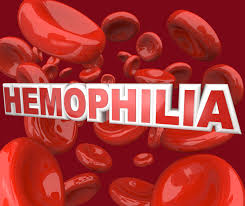
The U.S. Food and Drug Administration today approved Adynovate, Antihemophilic Factor (Recombinant), PEGylated for use in adults and adolescents, aged 12 years and older, who have Hemophilia A. Adynovate is modified to last longer in the blood and potentially require less frequent injections than unmodified Antihemophilic Factor when used to reduce the frequency of bleeding.

Adynovate is approved for on-demand (as needed) treatment and control of bleeding episodes and to reduce the frequency of bleeding episodes (prophylaxis) in patients with Hemophilia A. Adynovate consists of the full-length Coagulation Factor VIII molecule (historically known as Antihemophilic Factor) linked to other molecules, known as polyethylene glycol (PEGylated). This link makes the product last longer in the patient’s blood.

The approval of Adynovate provides an important therapeutic option for use in the care of patients with Hemophilia A and reduces the frequency of Factor VIII infusions needed to avoid bleeding,” said Karen Midthun, M.D., director of the FDA’s Center for Biologics Evaluation and Research. Hemophilia A is an inherited, sex-linked, blood-clotting disorder that primarily affects males, which is caused by defects found in the Factor VIII gene. According to the Centers for Disease Control and Prevention, Hemophilia A affects one in every 5,000 male births in the United States. Patients with hemophilia A may experience repeated episodes of serious bleeding, primarily into the joints, which can be severely damaged as a result. The safety and efficacy of Adynovate were evaluated in a clinical trial of 137 adults and adolescents aged 12 years and older, which compared the recommended routine prophylactic (preventative) treatment regimen to on-demand therapy. The trial demonstrated that Adynovate was effective in reducing the number of bleeding episodes during routine care. Additionally, Adynovate was effective in treating and controlling bleeding episodes. No safety concerns were identified during the trial. Adynovate is manufactured by Baxalta US Inc., based in Westlake Village, California.

Kidney transplant may increase the risk for certain types of cancer, a new study suggests.

1306352558_a7e83d7

Kidney failure and having a kidney transplant may increase the risk for certain types of cancer, a new study suggests.

Poor kidney function and immune system-suppressing drugs may be behind this increased risk, according to Elizabeth Yanik, of the U.S. National Cancer Institute, and colleagues.

For the study, published in the Nov. 12 online edition of the Journal of the American Society of Nephrology, the researchers looked at data from more than 200,000 U.S. kidney transplant candidates and recipients.

Along with finding that these patients are at increased risk for certain types of cancer, the investigators also identified clear patterns of risk associated with different types of treatment. However, the associations seen in the study do not prove cause-and-effect.

The risk of kidney and thyroid cancers was especially high when kidney failure patients were on dialysis. The risk of non-Hodgkin lymphoma, lung cancer, melanoma and certain other types of skin cancers was highest after kidney transplantation. The increased risk after a transplant is probably a result of the drugs that suppress the immune system that patients have to take to prevent rejection of the new kidney, the study authors suggested.

“Our study indicates that the needs of individuals with end-stage renal disease, in terms of cancer prevention and cancer screening, will likely differ over time,” Yanik said in a news release from the American Society of Nephrology.

Vigilance for kidney cancer and thyroid cancer may be of particular importance while these individuals are on dialysis. Extra consideration for screening for melanoma or lung cancer may be called for while taking immunosuppressant medications following a kidney transplant,” she concluded.

The findings show the need to closely monitor these patients for cancer, Yanik’s team said.

Kitchen Utensils Can Spread Bacteria, Study Finds

– Kitchen utensils such as knives and graters can spread bacteria between different types of produce, a new study finds.

University of Georgia researchers contaminated different types of fruits and vegetables with bacteria such as salmonella and E. coli. They cut the produce with a knife or shredded it with a grater, then used the unwashed utensils on other produce.

Both utensils spread the bacteria to other types of produce, the study found.

The researchers also found that certain types of produce contaminated knives to different degrees.

For items like tomatoes, we tended to have a higher contamination of the knives than when we cut strawberries,” said lead author Marilyn Erickson, an associate professor in the department of food science and technology.

We don’t have a specific answer as to why there are differences between the different produce groups. But we do know that once a pathogen gets on the food, it’s difficult to remove,” she said in a university news release.

Further testing revealed that brushes and peelers also transfer bacteria between produce.

Many people don’t know that kitchen utensils can spread bacteria, Erickson said.

“Just knowing that utensils may lead to cross-contamination is important,” she said. “With that knowledge, consumers are then more likely to make sure they wash them in between uses.”