Antidepressants in Pregnancy Tied to Slight Increase in Autism

In the long-standing debate over whether antidepressants are safe to take during pregnancy, a new study suggests that exposure to the drugs in the womb might bump up a child’s risk of autism.

The risk of autism was 45 percent higher for kids whose moms took antidepressants compared to kids born to mothers with psychiatric disorders who weren’t prescribed antidepressants, the study found.

“We found consistent results pointing towards a small effect of antidepressants with autism, especially higher functioning forms of autism without intellectual disability,” said lead researcher Dheeraj Rai. He is a senior lecturer in psychiatry with the University of Bristol in the United Kingdom.

“We think it is important to keep in mind the absolute risk, which is small,” Rai said. “Over 95 percent of women in the study who took antidepressants during pregnancy did not have a child with autism.”

Also, the study wasn’t designed to prove a cause-and-effect relationship, and only found an association between antidepressants and the risk of autism.

What’s more, further analysis by the researchers indicated that forgoing antidepressants during pregnancy would not cause a drastic reduction in overall autism rates, noted Thomas Frazier, chief science officer for Autism Speaks, a nonprofit autism advocacy organization.

“It turns out you would prevent 2 percent of autism cases” if no pregnant women ever took antidepressants, Frazier said.

“It’s definitely not a major contributor,” Frazier added. “It appears to be a significant and real relationship, but it’s not a strong one in terms of how many cases of autism this would prevent.”

Another recent study, published online July 12 in JAMA Psychiatry, had better news for depressed moms-to-be. That research found no statistically significant difference in intellectual disability in children born to mothers taking antidepressants compared to kids whose moms didn’t take the drugs.

For the current study, Rai and his research team analyzed data from more than 254,000 children aged 4 to 17 living in Stockholm between 2001 and 2011.

Almost 5,400 of the children were diagnosed with autism. More than 3,300 of the children were exposed to antidepressants during pregnancy. And more than 12,000 children were born to mothers with psychiatric disorders who weren’t taking an antidepressant in pregnancy, the study revealed.

About 4 percent of children exposed to antidepressants had been diagnosed with autism. Meanwhile 2.9 percent of children born to a woman with a history of psychiatric problems who didn’t take antidepressants during pregnancy developed autism.

Antidepressants were more strongly associated with cases of autism that didn’t include intellectual disability, the researchers said.

No one is certain why antidepressants might be linked to autism, but most antidepressants act by increasing brain levels of a neurotransmitter called serotonin, Rai and Frazier said.

“Serotonin is important in brain development and higher levels have been observed in children with autism,” Rai said. He added that animal research has shown that exposing animal fetuses to antidepressants that boost serotonin levels causes autism-like symptoms in the animals.

At the same time, Rai said it is too early to rule out the possibility that depression itself increases the risk of autism, rather than the medications prescribed to treat depression.

“It is known that chronic forms of stress could affect brain development of the fetus,” Rai said. “There is also the possibility of a common genetic pathway — for example, women who have a higher genetic risk of autism could also be more likely to have severe depression and be prescribed antidepressants.”

Rai and Frazier also agreed that pregnant women with depression should not stop taking their medicine without first talking it over with their doctor.

“They should not base decisions about the use of antidepressants during pregnancy on any one study, especially when the research evidence is conflicting, as in this case where different studies have reached different conclusions,” Rai said.

“There could be severe risks of stopping or not taking antidepressants during pregnancy both to the mother and the fetus, so the benefits of these medications for mothers who need them should not be forgotten,” he said.

Rai concluded that this study should be seen as a “small effort contributing to the understanding of the complex mechanisms behind autism,” rather than evidence that antidepressants can in and of themselves cause autism.

The study was published online July 19 in the BMJ.

WHO warns of imminent spread of untreatable gonorrhea

At least three people worldwide are infected with totally untreatable strains of gonorrhea which they are likely to be spreading to others through sex, the World Health Organization (WHO) said on Friday.

Giving details of studies showing a “very serious situation” with regard to highly drug–resistant forms of the sexually–transmitted disease (STD), WHO experts said it was “only a matter of time” before last–resort gonorrhea antibiotics would be of no use.

“Gonorrhea is a very smart bug,” said Teodora Wi, a human reproduction specialist at the Geneva–based UN health agency.

“Every time you introduce a new type of antibiotic to treat it, this bug develops resistance to it.”

The WHO estimates 78 million people a year get gonorrhea, an STD that can infect the genitals, rectum and throat.

The infection, which in many cases has no symptoms on its own, can lead to pelvic inflammatory disease, ectopic pregnancy and infertility, as well as increasing the risk of getting HIV.

Wi, who gave details in a telephone briefing of two studies on gonorrhea scheduled for publication in the journal PLOS Medicine, said one had documented three specific cases – one each in Japan, France and Spain – of patients with strains of gonorrhea against which no known antibiotic is effective. “These are cases that can infect others. It can be transmitted,” she told reporters. “And these cases may just be the tip of the iceberg, since systems to diagnose and report untreatable infections are lacking in lower–income countries where gonorrhea is actually more common.”

DRUG RESISTANCE

The WHO’s program for monitoring trends in drug–resistant gonorrhea found in a study that from 2009 to 2014 there was widespread resistance to the first–line medicine ciprofloxacin, increasing resistance to azithromycin, and the emergence of resistance to last–resort treatments––extended–spectrum cephalosporins (ESCs).

In most countries, it said, ESCs are now the only single antibiotics that remain effective for treating gonorrhea. Yet resistance to them has already been reported in 50 countries.

Manica Balasegaram, director of the Global Antibiotic Research and Development Partnership, said the situation was “grim” and there was a “pressing need” for new medicines.

The pipeline, however, is very thin, with only three potential new gonorrhea drugs in development and no guarantee any will prove effective in final–stage trials, he said.

“We urgently need to seize the opportunities we have with existing drugs and candidates in the pipeline,” he told reporters. “Any new treatment developed should be accessible to everyone who needs it, while ensuring it is used appropriately, so that drug resistance is slowed as much as possible.”

ADA: Glucose Self-Monitoring Often Lacks Benefit in T2DM

No significant improvements in hemoglobin A1c levels, HRQOL seen in non-insulin-treated cases

For most patients with non-insulin-treated type 2 diabetes, routine self-monitoring of blood glucose does not significantly improve hemoglobin A1c levels or health-related quality of life, according to a study published online June 10 in JAMA Internal Medicine. The research was published to coincide with the annual meeting of the American Diabetes Association, held from June 9 to 13 in San Diego.

Laura Young, M.D., Ph.D., from the University of North Carolina School of Medicine at Chapel Hill, and colleagues randomly assigned 450 patients with type 2 diabetes who weren’t taking insulin to monitor their blood glucose levels once a day with a typical glucometer, once a day with a monitor that gave them a feedback message, or to not monitor blood glucose levels at all. The participants in the study were from 15 primary care practices in North Carolina. Their average age was 61, and they’d had diabetes for an average of eight years.

After a year, the researchers found no differences between the groups in how well their blood glucose levels were controlled or in their quality of life. The team also found no notable differences in hypoglycemia frequency, health care utilization, or insulin initiation.

“Patients and clinicians should consider the specifics of each clinical situation as they decide whether to test or not to test,” the authors write.

Several New Medications in the Pipeline to Prevent Migraine

New injectable drugs work by targeting calcitonin gene-related peptide

A host of new medications that appear to prevent migraine headaches are in the final stages of testing and approval in the United States, according to a presentation at the annual meeting of the American Headache Society, held from June 8 to 11 in Boston.

The new injectable drugs work by targeting calcitonin gene-related peptide (CGRP). One, erenumab, works by blocking the receptor CGRP acts on, while other drugs (fremanezumab by Teva; eptinezumab from Alder Biopharmaceuticals; and galcanezumab from Eli Lilly and Co.) work by blocking CGRP itself.

In one phase 3 trial funded by Amgen, nearly 1,000 patients with episodic migraine were randomly assigned to one of two doses of erenumab or placebo for six months. Half the patients receiving monthly injections of the higher dose of erenumab experienced a 50 percent reduction in number of migraines, Peter Goadsby, M.D., Ph.D., a professor of neurology at King’s College London and the University of California, San Francisco, told HealthDay. In separate phase 2 trials testing erenumab’s safety in chronic migraine patients, the medication was also tied to fewer attacks.

For the other three medications, researchers reported results of phase 2 trials that tested the drugs’ safety. In each case, patients reported more headache-free days. Side effects, such as changes in blood pressure or potential liver damage, were found not to be a problem, researchers said. In addition, the drugs started working the first week of treatment. In some cases, patients were also able to cut back their other medications.

Diabetic Ketoacidosis With SGLT2 Inhibitors in T2D

Study Warns of Diabetic Ketoacidosis With SGLT2 Inhibitors in T2D – Doubled risk compared with DPP4 inhibitors

The newest class of drugs for treating type 2 diabetes carries a greater risk for diabetic ketoacidosis compared to other classes of drugs, a new study suggests.

Newly initiated use of an SGLT2 inhibitor was associated with a roughly twofold greater risk of diabetic ketoacidosis versus new initiation of a DPP4 inhibitor (HR 2.2, 95% CI 1.4 to 3.6), according to Michael Fralick, MD, of Brigham and Women’s Hospital, and colleagues.

Findings were similar in an unadjusted model, while hospitalization for diabetic ketoacidosis (DKA) within 180 days of treatment initiation was around two-times higher with use of an SGLT2 inhibitor compared to a DPP4 inhibitor (4.9 events per 1,000 person-years versus 2.3 events per 1,000 person-years; HR 2.1, 95% CI 1.5 to 2.9).

The findings were published as a letter in The New England Journal of Medicine.

Following twenty case reports of diabetic ketoacidosis with this class of drugs, the FDA issued a warning in May 2015, and announced required label changes later that year after over 70 cases of ketoacidosis were reported.

In June 2016, the American Association of Clinical Endocrinologists and American College of Endocrinology published a position statement in Endocrine Practice stating that “DKA occurs infrequently and that the risk-benefit ratio overwhelmingly favors continued use of SGLT-2 inhibitors with no changes in current recommendations. However, DKA diagnosis may be missed or delayed due to atypical presentation involving lower-than-anticipated glucose levels or other misleading laboratory values,” ultimately recommending additional research on this association.

Fralick explained in a press release how he originally became interested in this relationship after one of his own patients on an SGLT2 inhibitor was hospitalized for diabetic ketoacidosis, stating, “My best research projects come from my patients — their experiences drive the questions I investigate.”

“This is a side effect that’s usually seen in patients with type 1 diabetes mellitus – not type 2 – so doctors are not ‘on the lookout’ for it. That means that the risk of this side effect might actually be even higher than what we found due to misdiagnosis/under recording.”

The research group collected data on 50,220 patients with type 2 diabetes from the TruvenMarketScan database of commercially insured patients. All patients were started on an SGLT2 inhibitor or DPP4 inhibitor prior to the FDA warning (April 2013-December 2014).

“DPP4 inhibitors were chosen as the comparator medication because they are similarly used as a second-line treatment for diabetes but have no known association with diabetic ketoacidosis,” the authors wrote.

Utilizing a Cox regression model, Fralick’s group applied a 1:1 propensity-scare matching system to equally match participants based on 46 various characteristics to assess frequency of hospitalizations for diabetic ketoacidosis within 180 days of treatment initiation.

The research group also noted that patients who were prescribed SGLT2 inhibitors tended to be younger with fewer coexisting illnesses, although were more likely to be placed on insulin compared to patients on DPP4 inhibitors.

The researchers strongly suggest healthcare providers be vigilant for signs and symptoms of this in their patients, and should also be a factor to consider at time of prescription. In terms of prevention, Tamler added that he advises patients on SGLT2 inhibitors to “remain well-hydrated and stay on top of their blood sugar levels.”


Eating chocolate may decrease risk of irregular heartbeat

Link found between chocolate consumption and lower risk of atrial fibrillation.
A new study led by researchers at Beth Israel Deaconess Medical Center (BIDMC), in collaboration with researchers at the Harvard T.H. Chan School of Public Health and the Aalborg University and Institute of Cancer Epidemiology in Denmark, found that consuming moderate amounts of chocolate was associated with significantly lower risk of being diagnosed with atrial fibrillation (AF), a common and potentially life threatening type of irregular heartbeat. The findings were based on data collected and analyzed from a large study of men and women in Denmark.

The study was published online in the journal Heart.

“Our study adds to the accumulating evidence of the health benefits of moderate chocolate intake and highlights the importance of behavioral factors for potentially lowering the risk of arrhythmias,” said lead author Elizabeth Mostofsky, ScD, MPH, a postdoctoral fellow at BIDMC and an instructor in the Department of Epidemiology at Harvard T. H. Chan School of Public Health.

The study included 55,502 men and women participating in the Danish Diet, Cancer and Heath Study. The researchers obtained information on the study participants’ body mass index, blood pressure and cholesterol, which were measured when participants were recruited between 1993 and 1997. They also looked at participants’ health conditions, including high blood pressure, diabetes, or cardiovascular disease as well as data on their diet and lifestyle gathered from questionnaires. Using a validated questionnaire, the researchers collected information about the participants’ daily chocolate intake.

Among the participants recruited, 3,346 cases of AF occurred over a 13.5 year follow–up period based on data collected from the Danish National Patient Register. Compared with participants who ate a one–ounce serving of chocolate less than once per month, participants who ate one to three servings per month had a 10 percent lower rate of AF; those who ate one serving per week had a 17 percent lower rate; and those who ate between two and six servings per week had a 20 percent lower rate. The benefit leveled off slightly with greater chocolate consumption, with those eating one or more servings per day having a 16 percent lower AF rate on average. Results were similar for men and women.

“Despite the fact that most of the chocolate consumed by the study participants likely had relatively low concentrations of potentially protective ingredients, we still observed a significant association between eating chocolate and a lower risk of AF, suggesting that even small amounts of cocoa consumption can have a positive health impact,” Mostofsky said. “Eating excessive amounts of chocolate is not recommended, however, because many chocolate products are high in calories from sugar and fat and could lead to weight gain and other metabolic problems. But moderate intake of chocolate with high cocoa content may be a healthy choice.”

“This study adds to the growing body of evidence that, compared with other snacks or treats, eating small amounts of dark chocolate on a regular basis as part of an overall balanced, heart–healthy diet is a good option that may reduce the risk of cardiovascular disease,” said study author Murray Mittleman, MD, DrPH, a preventive cardiologist at BIDMC and professor of epidemiology at Harvard T.H. Chan School of Public Health.

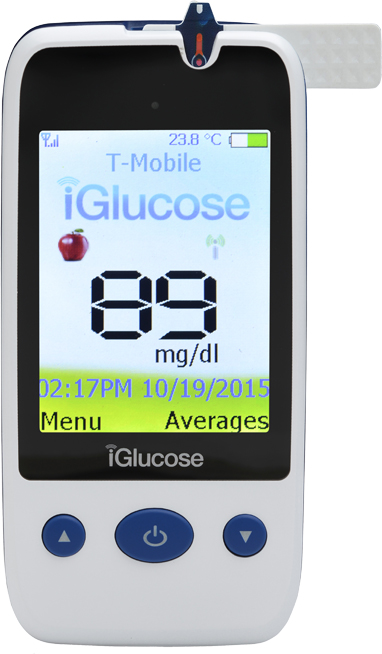
iGlucose Glucometer with Built-In Cellular Connectivity

Smart Meter Corporation, a New York firm, won both FDA clearance and European CE Mark approval for its iGlucose system, a blood glucose meter that features built-in cellular connectivity. Diabetics using the iGlucose will have the convenience of  seeing their readings automatically uploaded to the company’s web portal, from where their doctors and caretakers can check up on how things are going.

Blood glucose readings are shared with the cloud-based iGlucose Web Portal as soon as they’re taken, and from just about anywhere there is a cellular signal. Lifetime use of the cellular network is included with the device, so there is no subscription to pay for every month.

The glucometer needs only .75 µl of blood and provides results in just a few seconds and the company says its test strips are price competitive with popular strips on the market now.

When unusually high or low sugar levels are detected, the iGlucose Web Portal can be made to automatically send out alerts via email or text messages to the family and clinical team of the patient, helping to address issues quicker and before more serious consequences kick in.

An interesting feature of the iGlucose system is that it comes with an API (Application Program Interface), allowing outside developers to integrate their applications with the iGlucose. We’re glad to see this is becoming more common among medical device makers, helping to facilitate a more interconnected world of medical information.

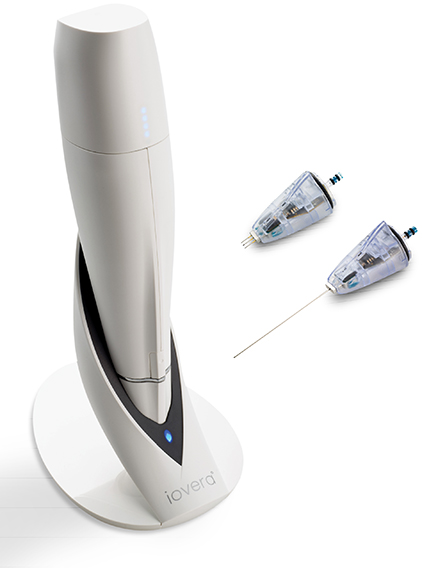
Myoscience iovera System Cleared for Treating Painful Osteoarthritic Knees

Myoscience, a company based in Fremont, California won FDA clearance for its iovera cryoneurolysis system to be used for symptom and pain relief in the knees arising from osteoarthritis. The company’s so-called Focused Cold Therapy delivery system pumps pressurized liquid nitrous oxide (N2O) to the treatment tip, where it is made to turn to a gas and become very cold. The phase change happens in tight location, creating a small and precise treatment area that can be used to create a nerve block that stops the transmission of pain.

Treatments are quite fast and result in nearly instantaneous pain reduction thanks to a disruption in the functionality of nerve axons. This happens without damaging the surrounding tissue that surrounds the nerves.

Here’s a bit about the study that led to the latest clearance:

The FDA clearance was based on a recent prospective, multi-center, sham-controlled, randomized, double-blind study of 180 subjects. The study concluded that patients treated with the iovera° device reported statistically significant greater reduction in pain and improvement in symptoms (p=0.001) when compared to patients who received the sham treatment(3). Also, patients who received the iovera° treatment reported pain relief lasting up to 90 days, accompanied by reduced stiffness and improved physical function.

Novel Nasal Spray Successfully Treats Paroxysmal SVT

First nasal spray therapy successful in treating paroxysmal supraventricular tachycardia.

An experimental nasal spray, etripamil, may benefit patients with paroxysmal supraventricular tachycardia (PSVT), according to a study presented at the annual meeting of the Heart Rhythm Society, held from May 10 to 13 in Chicago.

The phase 2 trial included 104 patients from the United States and Canada. The researchers said heart rate was controlled within 15 minutes in 87 percent of patients who received a 70-mg dose of the nasal spray; 75 percent of patients who got 105 mg; and 95 percent of patients given a 140-mg dose.

That compared to 35 percent of patients who received a placebo. The most common side effects of etripamil were temporary nasal congestion or irritation, according to the researchers.

“This study introduces a completely novel therapy that has never been used before, and has the potential to alter how we treat patients with PSVT,” lead author Bruce Stambler, M.D., a cardiac electrophysiologist at Piedmont Heart Institute in Atlanta, said in a news release from the Heart Rhythm Society. “Many patients who suffer from PSVT can experience sudden episodes anytime and anywhere. This fast-acting nasal spray therapy could give patients the convenience to self-administer treatment no matter the location and without having to go to the hospital.”

Several authors disclosed financial ties to medical device and pharmaceutical companies, including Milestone Pharmaceuticals, which manufactures etripamil.

Warning Against Domperidone Use for Lactating Women

Limited evidence for effectiveness, but considerable information on cardiac risks of domperidone.

The dopamine receptor antagonist domperidone, which may increase milk production in lactating women, is associated with serious cardiac risks, and should not be used for lactation enhancement, according to a commentary published in the June issue of Obstetrics and Gynecology.

Catherine A. Sewell, M.D., M.P.H., from the U.S. Food and Drug Administration in Silver Spring, Md., and colleagues discuss the safety issues associated with use of domperidone. The authors note that although domperidone is approved for certain gastrointestinal disorders in some countries, it is not approved for any human use in the United States, and is associated with serious cardiac arrhythmias. An FDA import alert was issued in 2004 and updated in 2012, explaining that domperidone import is illegal, with limited exceptions.

A public safety warning has been issued regarding use of domperidone for lactation; however, domperidone is sometimes obtained illegally and used by lactating mothers to increase milk production. Limited quality evidence is available for the effectiveness of domperidone in enhancement of lactation, while considerable evidence is available on the cardiac risks associated with domperidone, which include QT prolongation, torsades de pointes, and sudden cardiac death, including among lactating women.

“In light of limited efficacy data that do not offset safety concerns from a public health perspective, we continue to caution against using domperidone for lactation enhancement,” the authors write.