Metformin May Up Survival in Older Men With Moderate CKD

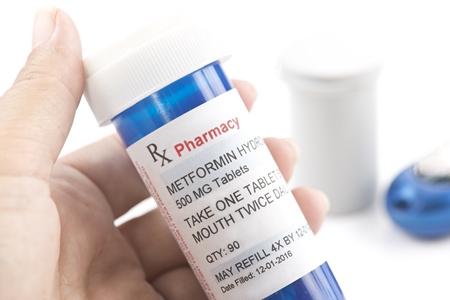
Veterans who developed type 2 diabetes and who were started on monotherapy with metformin rather than a sulfonylurea had a lower risk of dying up to 6 years later — whether their kidney function was normal or mild to moderately impaired, in a new study.

The study excluded patients with severe chronic kidney disease (CKD), defined as estimated glomerular filtration rate (eGFR) < 30 mL/min/1.73 m2.

Of note, patients with moderate CKD (eGFR 30–44 mL/min/1.73m2) who received metformin as opposed to a sulfonylurea had an even greater absolute benefit than patients with better kidney function.

“This is a population in which evidence regarding the health benefits of metformin is limited,” say Zachary A Marcum, PharmD, PhD, from the University of Washington, Seattle, and colleagues in their recent paper in the Journal of General Internal Medicine.

These findings, together with results from previous studies, support the FDA’s guidance from April 2016 “to consider metformin initiation among individuals with an eGFR of 45–59 mL/min/ 1.73 m2 [mild CKD]” and suggests that “metformin initiation may be beneficial among persons” with even worse kidney function (ie, moderate CKD), they note.

“What we’re seeing here is further evidence of metformin’s benefit in individuals with diabetes and CKD,” Dr Marcum told Medscape Medical News.

However, “it’s too soon to say that the FDA should change” the labeling requirement for metformin, since the current findings need to be replicated in other populations,” he added.

Mortality With Metformin vs Sulfonylurea in Diabetes Plus CKD

When metformin was approved by the FDA in 1995, it was contraindicated in patients with higher serum creatinine levels, due to fears of lactic-acid acidosis, which had been seen with another drug in the same class, phenformin, Dr Marcum and colleagues explain.

Vitamin D Supplements May Make Arteries Healthier

High doses of vitamin D seem to keep arteries more flexible and pliable, potentially warding off future heart disease, heart attacks and strokes, preliminary research suggests.

In just four months, vitamin D supplements reduced arterial stiffness in a group of 70 young black men and women, according to results from a small-scale clinical trial.

The flexibility of participants’ arteries improved even more with higher doses of vitamin D, said senior researcher Dr. Yanbin Dong, a professor with the Medical College of Georgia at Augusta University, in Augusta.

“Their arterial stiffness decreased, and the more vitamin D, the better,” Dong said.

Vitamin D is known to be essential for bone health, but for the past couple of decades scientists have suspected it might be important in other ways, he said.

“The vitamin D receptor is expressed everywhere in your body, in almost every single type of cell,” Dong said. “That’s why people think vitamin D might have something more to offer.”

To see if the vitamin might improve the health of blood vessels, Dong and his colleagues recruited a group of overweight or obese black Americans who were deficient in vitamin D.

Human skin naturally synthesizes vitamin D when exposed to bright sunshine. However, darker skin absorbs less sunlight, making black people more susceptible to vitamin deficiency, the researchers said.

In addition, body fat tends to capture and hold vitamin D, also contributing to deficiency.

The study participants were placed into four groups. Three groups took oral doses of vitamin D amounting to 600 international units (IU), 2,000 IU or 4,000 IU daily. The fourth group took inactive placebos.

The National Academy of Medicine currently recommends that people get 600 IU of vitamin D daily, Dong said. The researchers chose 2,000 IU because they suspected that might be the best dose, and 4,000 IU because that’s the highest level before people start experiencing toxic effects.

Also, previous studies have shown that, taken daily, 2,000 IU and 4,000 IU doses of vitamin D can bring a vitamin-deficient person’s levels of vitamin D back within a normal range, the study authors noted.

Those in the study who took 4,000 IU daily — more than six times the currently recommended amount — experienced a 10.4 percent reduction in arterial stiffness within four months, the findings showed.

Those who took 2,000 IU a day experienced a 2 percent decrease in arterial stiffness during the same timeframe. People who took the currently recommended dose of 600 IU had a slight increase in arterial stiffness — about 0.1 percent. Those who took the placebos had a 2.3 percent increase, according to the report.

No toxic effects were observed among people who took the larger doses of the vitamin, Dong said.

Vitamin D might help arterial health by blocking a hormone system that increases constriction of blood vessels, the researchers said. It also helps reduce inflammation, which has been linked to hardened arteries.

Dong expects that some whites also would benefit from vitamin D supplementation.

“We expect we would see similar effects in white people who have similar vitamin D deficiency and are overweight,” he said.

However, taking handfuls of vitamin D will not excuse a person from eating right or exercising for their heart health, Dong added.

“I don’t think vitamin D should be an alternative for any other lifestyle modifications,” Dong said. “We need to exercise, we need to eat sensibly. Vitamin D is just like anything else. It could be helpful on top of those things. It cannot replace.”

These findings, however, present an opportunity to ward off heart disease in younger people at high risk, said Dr. Robert Eckel, director of the University of Colorado Hospital’s Lipid Clinic.

Hardening of the arteries tends to be irreversible in older people who already have large amounts of arterial plaque as well as health problems such as diabetes and high cholesterol, Eckel said. This study, though, focused mainly on people in their 20s, he noted.

“Looking at vitamin D earlier in life — before there’s a lot of cardiovascular disease on board — could be an encouraging improvement,” said Eckel, who was not involved with the new study. “We’re talking about primary prevention here.”

The study participants should be tracked to see if their more flexible arteries translate to lower rates of heart disease and stroke later in life, Eckel said. Future trials should also examine the effects of vitamin D on other races and ethnic groups, he said.

The study was published online recently in the journal PLOS One.
Dermapace System To Treat Diabetic Foot Ulcers

Dermapace System, the first shock wave device intended to treat diabetic foot ulcers.

“Diabetes is the leading cause of lower limb amputations,” said Binita Ashar, M.D., director of the division of surgical devices in FDA’s Center for Devices and Radiological Health. “The FDA is dedicated to making technologies available that can help improve the quality of life for those with chronic diseases. Additional options for successfully treating and healing ulcer wounds may help prevent lower limb amputations.”

An estimated 30.3 million people in the United States have been diagnosed with diabetes, according to the Centers for Disease Control and Prevention. Diabetes damages blood vessels and nerves, particularly in the feet, and can lead to severe infections that are difficult to treat. About 25 percent of people with diabetes will experience a foot ulcer in their lifetime. Amputation is sometimes necessary when circulation is so poor that a foot ulcer fails to heal or when treatment fails to stop the spread of an infection.

The Dermapace System is intended to be used in the treatment of chronic, full-thickness diabetic foot ulcers with wound areas measuring no larger than 16 cm2 (about the size of a soda can top) which extend through the epidermis, dermis, tendon, or capsule, but without bone exposure. The Dermapace System is an external (extracorporeal) shock wave system that uses pulses of energy, similar to sound waves, to mechanically stimulate the wound. The device is intended for adult patients (22 years and older), presenting with diabetic foot ulcers lasting for more than 30 days, and should be used along with standard diabetic ulcer care.

The FDA reviewed clinical data from two multi-center, randomized, double-blind studies with a total of 336 diabetic patients receiving either usual care, which includes wet-to-dry dressings or debridement (removal of damaged tissue) as needed, plus the Dermapace System shock wave therapy or usual care plus non-working (sham) shock wave therapy. Both patient groups included those with poorly controlled and well-controlled blood glucose levels.

The patients who had between one and seven treatments with the Dermapace System showed an increase in wound healing at 24 weeks with a 44 percent wound closure rate. Those patients treated with the sham shock wave therapy showed a 30 percent wound closure rate during the same time period.

The most common side effects observed were pain during application of the device, local bruising and numbness, migraines, nausea, fainting, wound infection, infection beyond the wound (cellulitis, osteomyelitis) and fever.

First Nebulized LAMA Inhaler for COPD

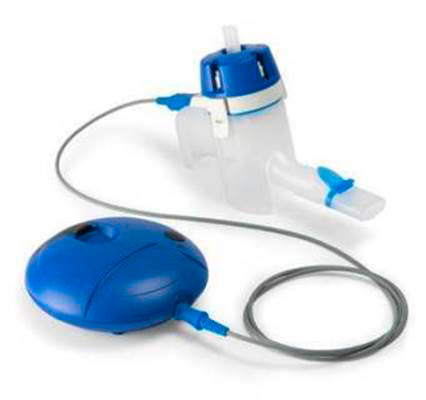
The US Food and Drug Administration (FDA) has approved glycopyrrolate inhalation solution 25 mcg twice daily (Lonhala Magnair, Sunovion Pharmaceuticals) for maintenance treatment of airflow obstruction in adults with chronic obstructive pulmonary disease (COPD), including chronic bronchitis and/or emphysema.

Lonhala Magnair is the first nebulized long-acting muscarinic antagonist (LAMA) approved by the FDA for the treatment of COPD. It is the first time the Magnair eFlow technology system, developed by PARI Pharma GmbH, has been used, Sunovion said in a news release.

“This technology is a virtually silent, portable, closed system nebulizer that is designed to deliver the drug in two to three minutes and allows people to breathe normally while using the device,” the company said.

“Despite the availability of several therapies, many people still struggle to control their COPD ― a challenge that may be affected by the delivery method used to administer a medication,” Gary Ferguson, MD, of the Pulmonary Research Institute of Southeast Michigan in Farmington Hills, said in the release.

“Lonhala Magnair offers an important new option that combines the efficacy of a proven medication for COPD with the attributes of a unique handheld nebulizer that allows a person to breathe normally while taking their medication,” Dr Ferguson said.

The approval is based on data from the clinical trials in the GOLDEN (Glycopyrrolate for Obstructive Lung Disease via Electronic Nebulizer) program, which included GOLDEN-3 and GOLDEN-4, two phase 3 randomized, double-blind, placebo-controlled studies in adults with moderate to very severe COPD.

In these studies, individuals using Lonhala Magnair showed “statistically significant and clinically important” changes from baseline in trough forced expiratory volume in 1 second (FEV1) at 12 weeks, the company said.

In addition, the GOLDEN-5 phase 3 study demonstrated the long-term safety and tolerability of Lonhala Magnair in comparison with tiotropium bromide delivered by the HandiHaler device in adults with moderate to very severe COPD. Overall, treatment-emergent adverse events were similar for patients receiving glycopyrrolate and those receiving tiotropium during a 48-week period, the company said.

Sunovion expects to be available in US pharmacies in early 2018.

Lonhala Magnair should not be started in patients with acutely deteriorating COPD or to relieve sudden symptoms of COPD and should not be used more than twice daily. It is contraindicated in patients with hypersensitivity to glycopyrrolate or any of the ingredients.

Once-Weekly Bydureon BCise (exenatide) for Patients with Type-2 Diabetes

FDA approves new treatment for pediatric patients with type 2 diabetes

AstraZeneca today announced that the US Food and Drug Administration (FDA) has approved Bydureon® BCise™ (exenatide extended-release) injectable suspension, a new formulation of Bydureon (exenatide extended-release) injectable suspension in an improved once-weekly, single-dose autoinjector device for adults with type-2 diabetes whose blood sugar remains uncontrolled on one or more oral medicines in addition to diet and exercise, to improve glycemic control.

Unlike other glucagon-like peptide-1 (GLP-1) receptor agonists, Bydureon BCise has a unique, continuous-release microsphere delivery system designed to provide consistent therapeutic levels of the active ingredient, exenatide, to help patients reach and maintain steady state. The new formulation in the innovative Bydureon BCise device is proven to reduce blood sugar levels, with the added benefit of weight loss, although not a weight loss medicine.

Across two clinical trials, average HbA1c reductions of up to 1.4% and average weight loss of up to 3.1 pounds were achieved when used as monotherapy or as an add-on to metformin, a sulfonylurea, a thiazolidinedione, or any combination of two of these oral anti-diabetic medicines at 28 weeks. The most common adverse reactions reported in ≥5% of patients in clinical trials were nausea (8.2%) and adverse events associated with injection-site nodules (10.5%).

Bydureon BCise is designed for ease and patient convenience in a once-weekly, pre-filled device with a pre-attached hidden needle. The medication is administered in three simple steps – mix, unlock, inject.

Ruud Dobber, President, AstraZeneca US and Executive Vice President, North America, said: “We know that physicians have established longstanding confidence in the significant HbA1c reduction Bydureon provides their patients to help achieve consistent control, with the added benefit of weight loss. With the approval of Bydureon BCise, we’re now introducing a new formulation in an improved, easy-to-use device, that will help enhance the patient experience.”

Bydureon BCise will be available for patients in the US in the first quarter of 2018. Bydureon Pen will also remain available for patients. A regulatory application for the new autoinjector device has also been accepted by the European Medicines Agency.

Cooling Cap to Reduce Hair Loss During Chemotherapy

U.S. Food and Drug Administration cleared the expanded use of a cooling cap, DigniCap Cooling System, to reduce hair loss (alopecia) during chemotherapy. This is the first cooling cap cleared by the agency for use in cancer patients with solid tumors.

“We are pleased to expand the use of this product for cancer patients with solid tumors to potentially minimize chemotherapy-induced hair loss,” said Binita Ashar, M.D., director, Division of Surgical Devices, in the FDA’s Center for Devices and Radiological Health. “Managing the side effects of chemotherapy is a critical component to overall health and quality of life.”

Hair loss is a common side effect of certain types of chemotherapy and is commonly associated with the treatment of most solid tumor cancer. Hair may fall out entirely, gradually, in sections, or may become thin. Hair loss due to cancer treatment is usually temporary, but minimizing or relieving these kinds of side effects are considered important to overall treatment.

The DigniCap Cooling System is indicated to reduce the frequency and severity of hair loss during chemotherapy in solid tumor cancer patients in which alopecia-inducing chemotherapeutic agents and doses are used. It is a computer-controlled system used during treatment. A cap is worn on the head and circulates liquid to a cap to cool the scalp during chemotherapy treatment. The cap is covered by a second cap made from neoprene, a type of rubber that holds the cooling cap in place and acts as an insulation cover to prevent loss of cooling.

The cooling is intended to constrict blood vessels in the scalp, which reduces the amount of chemotherapy that reaches cells in the hair follicles. The cold temperature also decreases the activity of the hair follicles and slows down cell division, making them less affected by chemotherapy. The combined actions are thought to reduce the effect chemotherapy has on the cells, which may reduce hair loss. DigniCap may not work with some chemotherapy regimens.

The device is contraindicated for pediatric patients, patients with certain cancers and patient undergoing specific chemotherapy treatments. Additionally, DigniCap may not be appropriate for patients with cold sensitivity or susceptibility to cold-related injuries.

The most common side effects of the cooling system include cold-induced headaches and neck and shoulder discomfort, chills and pain associated with wearing the cooling cap for an extended period of time. The risk of the chemotherapy drug missing an isolated grouping of the cancer cells in the scalp because of the cooling cap is rare.

Secnidazole for Bacterial Vaginosis

The US Food and Drug Administration (FDA) last week approved an antibiotic called secnidazole (Solosec, Symbiomix Therapeutics) for women with bacterial vaginosis.

Secnidazole is the first single-dose oral treatment for bacterial vaginosis, the most common vaginal infection in women aged 15 to 44 years, according to the Centers for Disease Control and Prevention.

A dose of secnidazole comes in the form of a 2-g packet of granules. Patients sprinkle the granules on applesauce, yogurt, or pudding and eat the mixture within 30 minutes without chewing or crunching the granules.

Most current antibiotics for bacterial vaginosis must be taken for 5 to 7 days, and often more than once a day. As a single-dose treatment, secnidazole promises to improve adherence and the likelihood of a cure, Symbiomix Therapeutics stated in a news release.

The FDA determined that secnidazole was safe and effective on the basis of two randomized, placebo-controlled clinical trials involving 333 nonpregnant women up to age 54 years.

Vulvovaginal candidiasis, headache, nausea, dysgeusia, vomiting, and diarrhea were among the most common adverse events observed in the two studies. The drug’s label warns that vulvovaginal candidiasis associated with the use of secnidazole may require treatment with an antifungal drug.

The agency also warns about the potential risk for carcinogenicity because mice and rats treated chronically with drugs structurally related to secnidazole have developed tumors.

“Avoid chronic use.”

The drug is not recommended for women who are breast-feeding. If they take it, however, they should discontinue breast-feeding for 96 hours afterward.

First gene therapy CAR T-cell therapy approved to treat certain children and young adults with B-cell acute lymphoblastic leukemia

The FDA approved Kymriah (tisagenlecleucel) for certain pediatric and young adult patients with a form of acute lymphoblastic leukemia (ALL) that is refractory or has relapsed at least twice.

Novartis announced today that the US Food and Drug Administration (FDA) has approved Kymriah(TM)(tisagenlecleucel) suspension for intravenous infusion, formerly CTL019, the first chimeric antigen receptor T cell (CAR-T) therapy, for the treatment of patients up to 25 years of age with B-cell precursor acute lymphoblastic leukemia (ALL) that is refractory or in second or later relapse. Kymriah is a novel immunocellular therapy and a one-time treatment that uses a patient’s own T cells to fight cancer. Kymriah is the first therapy based on gene transfer approved by the FDA.

Kymriah is an innovative immunocellular therapy that is a one-time treatment. Kymriah uses the 4-1BB costimulatory domain in its chimeric antigen receptor to enhance cellular expansion and persistence. In 2012, Novartis and the University of Pennsylvania (Penn) entered into a global collaboration to further research, develop and commercialize CAR-T cell therapies, including Kymriah, for the investigational treatment of cancers.


Kymriah(TM) (tisagenlecleucel) Important Safety information

Kymriah may cause side effects that are fatal or life-threatening, such as Cytokine Release Syndrome (CRS) or Neurological Toxicities. Patients with CRS may experience symptoms including high fever, difficulty breathing, chills/shaking chills, severe nausea, vomiting and diarrhea, severe muscle or joint pain, very low blood pressure or dizziness/lightheadedness. Patients may be admitted to the hospital for CRS and treated with other medications.

Patients with neurological toxicities may experience symptoms such as altered or decreased consciousness, headaches, delirium, confusion, agitation, anxiety, seizures, difficulty speaking and understanding, or loss of balance. Patients should be advised to call their health care provider or get emergency help right away if they experience any of these signs and symptoms of CRS or neurological toxicities.

Because of the risk of CRS and neurological toxicities, Kymriah is only available through a restricted program under a Risk Evaluation and Mitigation Strategy (REMS) called Kymriah REMS.

Serious allergic reactions, including anaphylaxis, may occur after Kymriah infusion. Kymriah can increase the risk of life-threatening infections that may lead to death. Patients should be advised to tell their health care provider right away if they develop fever, chills, or any signs or symptoms of an infection.

Patients may experience prolonged low blood cell counts (cytopenia), where one or more types of blood cells (red blood cells, white blood cells, or platelets) are decreased. The patient’s health care provider will do blood tests to check all of their blood cell counts after treatment with Kymriah. Patients should be advised to tell their health care provider right away if they get a fever, are feeling tired, or have bruising or bleeding.

Patients may experience hypogammaglobulinemia, a condition in which the level of immunoglobulins (antibodies) in the blood is low and the risk of infection is increased. It is expected that patients may develop hypogammaglobulinemia with Kymriah, and may need to receive immunoglobulin replacement for an indefinite amount of time following treatment with Kymriah. Patients should tell their health care provider about their treatment with Kymriah before receiving a live virus vaccine.

After treatment with Kymriah, patients will be monitored life-long by their health care provider, as they may develop secondary cancers or recurrence of their leukemia.

Patients should not drive, operate heavy machinery, or do other dangerous activities for 8 weeks after receiving Kymriah because the treatment can cause temporary memory and coordination problems, including sleepiness, confusion, weakness, dizziness and seizures.

Some of the most common side effects of Kymriah included: difficulty breathing, fever (100.4°F/38°C or higher), chills/shaking chills, confusion, severe nausea, vomiting and diarrhea, severe muscle or joint pain, very low blood pressure, and dizziness/lightheadedness. However, these are not all of the possible side effects of Kymriah. Patients should talk to their health care provider for medical advice about side effects.

Prior to a female patient starting treatment with Kymriah, their health care provider may do a pregnancy test. There is no information available for Kymriah use in pregnant or breast-feeding women. Therefore, Kymriah is not recommended for women who are pregnant or breast feeding. If either sex partner has received Kymriah, patients should talk to their health care provider about birth control and pregnancy.

Patients should tell their health care provider about all the medicines they take, including prescription and over-the-counter medicines, vitamins, and herbal supplements.

After receiving Kymriah, patients should be advised that some commercial HIV tests may cause a false positive test result. Patients should also be advised not to donate blood, organs, or tissues and cells for transplantation after receiving Kymriah.

Duzallo (lesinurad and allopurinol) for Hyperuricemia in Patients with Uncontrolled Gout

Duzallo was approved by the U.S. Food and Drug Administration (FDA) as a once-daily oral treatment for hyperuricemia associated with gout in patients who have not achieved target serum uric acid (sUA) levels with a medically appropriate daily dose of allopurinol alone. Duzallo is not recommended for the treatment of asymptomatic hyperuricemia. Ironwood expects Duzallo to be commercially available early in the fourth quarter of 2017.

Duzallo is the first drug that combines the current standard of care for the treatment of hyperuricemia associated with gout, allopurinol, with the most recent FDA-approved treatment for this condition, lesinurad. This fixed-dose combination provides a dual mechanism of action in a single tablet that can address both underlying causes of hyperuricemia – overproduction and underexcretion of serum uric acid.

Gout is a highly symptomatic and painful form of inflammatory arthritis caused by hyperuricemia, or elevated sUA levels in the blood, which can lead to painful flares and serious potential long-term health consequences.

“The approval of Duzallo provides a new fixed-dose and dual-mechanism treatment option to help patients with uncontrolled gout achieve target serum uric acid levels. This represents an important and needed new option in the treatment of hyperuricemia,” said Michael A. Becker, M.D., professor emeritus of medicine, Department of Medicine, The University of Chicago, Chicago, IL. “Gout is a serious and potentially progressive and debilitating inflammatory disease. Getting patients with gout to serum urate goal, and keeping them at or below goal, are essential to success in treating these patients. Duzallo will help reduce the significant unmet need among patients in the U.S. who fail to get their serum uric acid levels to goal despite taking allopurinol alone.”

“With Duzallo, nearly twice as many patients with uncontrolled gout may be able to achieve target serum uric acid levels compared to those patients taking allopurinol alone, which is important, considering the significant unmet need among uncontrolled gout patients to get to goal of under 6 mg/dL,” said Tom McCourt, senior vice president of marketing and sales and chief commercial officer at Ironwood.

Duzallo (lesinurad and allopurinol) is a once-daily oral therapy that contains lesinurad 200 mg plus allopurinol 300 mg; it is also available in a lesinurad 200 mg plus allopurinol 200 mg dosage. Duzallo is approved by the FDA as a once-daily oral treatment for hyperuricemia associated with gout in patients who have not achieved target serum uric acid (sUA) levels with a medically appropriate daily dose of allopurinol alone. Duzallo is not recommended for the treatment of asymptomatic hyperuricemia. Allopurinol is an XOI whose action differs from that of uricosuric agents such as lesinurad. Allopurinol reduces the production of uric acid (UA); lesinurad increases renal excretion of UA by selectively inhibiting the action of URAT1, the UA transporter responsible for the majority of renal UA reabsorption. The dual-mechanism combination of Duzallo can address both inefficient excretion and overproduction of UA, thereby lowering sUA levels. Duzallo should be taken in the morning with food and water, and patients should be advised to stay well hydrated when taking Duzallo (about 2 liters of liquid a day).

Delafloxacin for Acute Bacterial Skin and Skin Structure Infections (ABSSSI)

Melinta Therapeutics, announced today that the U.S. Food and Drug Administration (FDA) has approved Baxdela (delafloxacin), indicated in adults for the treatment of acute bacterial skin and skin structure infections (ABSSSI) caused by susceptible bacteria. Baxdela is a fluoroquinolone that exhibits activity against both gram-positive and gram-negative pathogens, including MRSA (methicillin-resistant Staphylococcus aureus), and is available in both intravenous (IV) and oral formulations.

“Antibiotic resistance is a growing concern, and physicians need more tools in the fight against this threat to modern medicine. Approval of new therapies like Baxdela, which is effective against MRSA and other serious pathogens, provides physicians another option in addressing the challenges of ABSSSI patients,” said Dr. David Hooper, professor of medicine, Harvard University, and chief of Infection Control, associate chief, Division of Infectious Diseases, Massachusetts General Hospital.

Baxdela is indicated in adults for the treatment of acute bacterial skin and skin structure infections (ABSSSI) caused by susceptible isolates of the following:

  • Gram-positive organisms: Staphylococcus aureus (including methicillin-resistant [MRSA] and methicillin-susceptible [MSSA] isolates), Staphylococcus haemolyticus, Staphylococcus lugdunensis, Streptococcus agalactiae, Streptococcus anginosus group (including Streptococcus anginosus, Streptococcus intermedius, and Streptococcus constellatus), Streptococcus pyogenes, and Enterococcus faecalis;
  • Gram-negative organisms: Escherichia coli, Enterobacter cloacae, Klebsiella pneumoniae, and Pseudomonas aeruginosa.

IMPORTANT SAFETY INFORMATION

WARNING: SERIOUS ADVERSE REACTIONS INCLUDING TENDINITIS, TENDON RUPTURE, PERIPHERAL NEUROPATHY, CENTRAL NERVOUS SYSTEM EFFECTS, AND EXACERBATION OF MYASTHENIA GRAVIS

Fluoroquinolones have been associated with disabling and potentially irreversible serious adverse reactions that have occurred together, including:

  • Tendinitis and tendon rupture
  • Peripheral neuropathy
  • Central nervous system effects