Higher is no longer better? Very high levels of ‘Good’ HDL Cholesterol may increase risk of heart attack and death

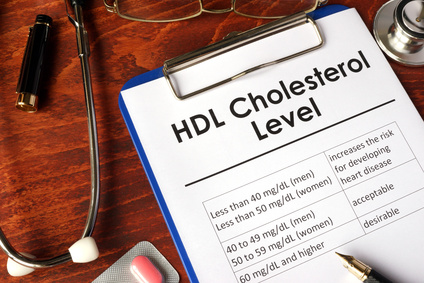
Very high levels of high-density lipoprotein (HDL or “good”) cholesterol may be associated with an increased risk of heart attack and death, according to research presented today at ESC Congress 2018.

Study author Dr Marc Allard-Ratick, of Emory University School of Medicine, Atlanta, US, said: “It may be time to change the way we view HDL cholesterol. Traditionally, physicians have told their patients that the higher your ‘good’ cholesterol, the better. However, the results from this study and others suggest that this may no longer be the case.”

HDL cholesterol has been considered “good” because the HDL molecule is involved in the transport of cholesterol from the blood and blood vessel walls to the liver and ultimately out of the body, thereby reducing the risk of clogged arteries and atherosclerosis. People with low HDL cholesterol have a greater risk of atherosclerosis and cardiovascular disease. But the protective effect of very high HDL cholesterol has been unclear.

This study, conducted as part of the Emory Cardiovascular Biobank, investigated the relationship between HDL cholesterol levels and the risk of heart attack and death in 5,965 individuals, most of whom had heart disease. The average age of participants was 63 years and 35% were female.

Participants were divided into five groups according to their HDL cholesterol level: less than 30 mg/dl (0.78 mmol/L), 31-40 mg/dl (0.8-1 mmol/L); 41-50 mg/dl (1.1-1.3 mmol/L); 51-60 mg/dl (1.3-1.5 mmol/L); and greater than 60 mg/dl (1.5 mmol/L).

During a median follow-up of four years, 769 (13%) participants had a heart attack or died from a cardiovascular cause. Participants with HDL cholesterol 41-60 mg/dl (1.1-1.5 mmol/L) had the lowest risk of heart attack or cardiovascular death. The risk was increased both in participants with low levels (less than 41 mg/dl) and very high levels (greater than 60 mg/dl) of HDL cholesterol, which produced a U-shaped curve when plotted graphically.

Participants with HDL cholesterol levels greater than 60 mg/dl (1.5 mmol/L) had a nearly 50% increased risk of dying from a cardiovascular cause or having a heart attack compared to those with HDL cholesterol levels 41-60 mg/dl (1.1-1.5 mmol/L).

The associations were consistent even after controlling for other risk factors for heart disease such as diabetes, smoking, and low-density lipoprotein (LDL or “bad”) cholesterol, as well as other factors linked with high HDL cholesterol such as alcohol intake, race, and sex.

The results support findings from several large population-based studies, including a recent publication which found increased cardiovascular and all-cause death when HDL cholesterol reached extremely high levels. Dr Allard-Ratick said: “Our results are important because they contribute to a steadily growing body of evidence that very high HDL cholesterol levels may not be protective, and because unlike much of the other data available at this time, this study was conducted primarily in patients with established heart disease.”

He noted that more research is needed to elucidate the mechanisms of this paradoxical association. “While the answer remains unknown, one possible explanation is that extremely elevated HDL cholesterol may represent ‘dysfunctional HDL’ which may promote rather than protect against cardiovascular disease,” he said.

Dr Allard-Ratick concluded: “One thing is certain: the mantra of HDL cholesterol as the ‘good’ cholesterol may no longer be the case for everyone.”

Source: European Society of Cardiology (ESC). Available at www.escardio.org

A New Drug ARAKODA (Tafenoquine) for Malaria Prophylaxis

The U.S. Food and Drug Administration (FDA) has approved ARAKODA (tafenoquine), an antimalarial, indicated for the prophylaxis of malaria in patients aged 18 years and older. The approved recommended dosage of ARAKODA is completion of the full course of therapy including loading, maintenance, and terminal prophylaxis regimens as follows:

  • Loading regimen: 200 mg once daily with food for 3 days before travel to a malarious area
  • Maintenance regimen: 200 mg once weekly with food 7 days after the last loading dose while in the malarious area
  • Terminal prophylaxis regimen: 200 mg one time only with food 7 days after the last maintenance dose in the week following exit from the malarious area

ARAKODA is contraindicated in patients with glucose-6-phosphate dehydrogenase (G6PD) deficiency or unknown G6PD status and when breastfeeding by a lactating woman when the infant is found to be G6PD deficient or if the G6PD status of the infant is unknown, patients with a history of psychotic disorders or current psychotic symptoms (i.e., hallucinations, delusions, and/or grossly disorganized behavior), or patients with known hypersensitivity reactions to tafenoquine, other 8-aminoquinolines, or any component of ARAKODA.

Due to the risk of hemolytic anaemia, test all patients for G6PD deficiency prior to prescribing ARAKODA, and pregnancy testing is recommended for females of reproductive potential prior to initiating treatment. Additional information regarding administration, warnings, and precautions can be found in the full prescribing information linked below.

Mechanism of Action

Tafenoquine, an 8-aminoquinoline antimalarial, is active against all the stages of Plasmodium species that include the hypnozoite (dormant stage) in the liver. Studies in vitro with the erythrocytic forms of Plasmodium falciparum suggest that tafenoquine may exert its effect by inhibiting hematin polymerization and inducing apoptotic-like death of the parasite. In addition to its effect on the parasite, tafenoquine causes red blood cell shrinkage in vitro. The molecular target of tafenoquine is not known.

Antimicrobial activity

Tafenoquine is active against pre-erythrocytic (liver) and erythrocytic (asexual) forms as well as gametocytes of Plasmodium species that include P. falciparum and P. vivax. The activity of tafenoquine against the pre-erythrocytic liver stages of the parasite, prevents the development of the erythrocytic forms of the parasite.

Resistance

A potential for development of resistance of Plasmodium species to tafenoquine was not evaluated. Studies with the erythrocytic forms of P. falciparum strains/isolates suggest a potential for cross-resistance with primaquine, an 8-aminoquinoline. Clinical relevance of such findings is not known

Drug Interactions

In vitro observations suggest the potential for increased concentrations of substrates of OCT2 or MATE transporters which may increase the risk of toxicity of these substrates. Avoid coadministration with drugs that are substrates of OCT2 or MATE transporters (e.g., dofetilide, metformin). If coadministration cannot be avoided, monitor for drug-related toxicities and consider dosage reduction, if needed, based on approved product labeling of the co-administered drug.

Use in Specific Populations

The pharmacokinetics of tafenoquine was not significantly impacted by age, sex, ethnicity, or body weight. The effect of renal or hepatic impairment on tafenoquine pharmacokinetics is unknown. If ARAKODA is administered to patients with renal or hepatic impairment, monitor for adverse reactions associated with ARAKODA.

Efficacy and Safety

Efficacy of ARAKODA was demonstrated in three double-blind, randomized, controlled studies. Additional information regarding efficacy trials can be found in the full prescribing information linked below.

The most common adverse reactions (incidence ≥ 1%) were headache, dizziness, back pain, diarrhoea, nausea, vomiting, increased ALT, motion sickness, insomnia, depression, abnormal dreams, and anxiety.

Full prescribing information available at www.accessdata.fda.gov

A New Tetracycline Antibacterial XERAVA (Eravacycline) for Complicated Intra-Abdominal Infections

The U.S. Food and Drug Administration (FDA) has approved XERAVA (Eravacycline), a fluorocycline antibacterial within the tetracycline class of antibacterial drugs, for the treatment of complicated intra-abdominal infections (cIAI) caused by susceptible microorganisms in patients 18 years of age and older.

XERAVA is not indicated for the treatment of complicated urinary tract infections (cUTI). To reduce the development of drug-resistant bacteria and maintain the effectiveness of XERAVA and other antibacterial drugs, XERAVA should be used only to treat or prevent infections that are proven or strongly suspected to be caused by susceptible bacteria.

Susceptible microorganisms include: Escherichia coli, Klebsiella pneumoniae, Citrobacter freundii, Enterobacter cloacae, Klebsiella oxytoca, Enterococcus faecalis, Enterococcus faecium, Staphylococcus aureus, Streptococcus anginosus group, Clostridium perfringens, Bacteroides species, and Parabacteroides distasonis.

The approved recommended dosage of XERAVA is 1 mg/kg by intravenous infusion over approximately 60 minutes every 12 hours for a total duration of 4 to 14 days. The duration of therapy should be guided by the severity and location of infection and the patient’s clinical response. Additional information regarding dosage and administration can be found in the full prescribing information linked below.

Life-threatening hypersensitivity (anaphylactic) reactions have been reported with XERAVA.

is contraindicated for use in patients with known hypersensitivity to eravacycline, tetracycline-class antibacterial drugs, or to any of the excipients. Discontinue XERAVA if an allergic reaction occurs. The use of XERAVA may cause tooth discoloration and enamel hypoplasia, inhibition of bone growth, andclostridium difficile-associated diarrhea. Additional information regarding these important warnings can be found in the full prescribing information linked below.

Mechanism of Action (MOA) and Pharmacokinetics (PK)

  • MOA: Eravacycline disrupts bacterial protein synthesis by binding to the 30S ribosomal subunit thus preventing the incorporation of amino acid residues into elongating peptide chains.
  • General PK: Eravacycline AUC and Cmax increase proportionally over doses from 1 mg/kg to 3 mg/kg (3 times the approved recommended dosage). Accumulation is approximately 45% following the approved recommended dosage.
  • Distribution: Protein binding of eravacycline increases with increasing plasma concentrations, with 79% to 90% (bound) at plasma concentrations ranging from 100 to 10,000 ng/mL. The volume of distribution at steady-state is approximately 321 L.
  • Elimination: The mean elimination half-life is 20 hours.
  • Metabolism: Eravacycline is metabolized primarily by CYP3A4- and FMO-mediated oxidation.
  • Excretion: Following a single intravenous dose of radiolabeled eravacycline 60 mg, approximately 34% of the dose is excreted in urine and 47% in feces as unchanged eravacycline (20% in urine and 17% in feces) and metabolites.

Drug Interactions

CYP3A Inducers 

Concomitant use of strong CYP3A inducers decreases the exposure of eravacycline, which may reduce the efficacy of XERAVA. Administer XERAVA 1.5 mg/kg every 12 hours for a total duration of 4 to 14days when used concomitantly with a strong CYP3A inducer. No dosage adjustment is warranted in patients with concomitant use of a weak or moderate CYP3A inducer.

Anticoagulant Drugs 

Because tetracyclines have been shown to depress plasma prothrombin activity, patients who are on anticoagulant therapy may require downward adjustment of their anticoagulant dosage.

Use in Specific Populations

No clinically significant differences in the pharmacokinetics of eravacycline were observed based on age (18-86 years), sex, race, or renal impairment.

Patients with Hepatic Impairment 

In patients with severe hepatic impairment (Child-Pugh C), administer XERAVA 1 mg/kg every 12 hours on Day 1, followed by XERAVA 1 mg/kg every 24 hours starting on Day 2 for a total duration of 4 to 14 days. No dosage adjustment is warranted in patients with mild to moderate hepatic impairment (Child-Pugh A and Child-Pugh B).

Efficacy and Safety

Efficacy of XERAVA was demonstrated in two Phase 3, randomized, double-blind, active-controlled, multinational, multicenter trials in adult patients hospitalized with cIAI. Additional information regarding efficacy trials can be found in the full prescribing information linked below.

The most common adverse reactions (incidence ≥ 3%) are infusion site reactions, nausea, and vomiting.

Full prescribing information available at www.accessdata.fda.gov

FDA Approves the First One-Year Contraceptive Fully under a Woman’s Control

The U.S. Food and Drug Administration has approved Annovera® (segesterone acetate and ethinyl estradiol vaginal system), which is a combined hormonal contraceptive for women of reproductive age used to prevent pregnancy and is the first vaginal ring contraceptive that can be used for an entire year.

Description

Annovera combines a new progestin (segesterone acetate) with a widely used estrogen (ethinyl estradiol) into a single reusable ring. It is a soft, reusable flexible silicone ring (2¼ inches diameter) that can be inserted and removed by a woman herself. Left in place for 21 days and removed for 7 days, at which time the woman may experience a period (a withdrawal bleed). This schedule is repeated every four weeks for one year (thirteen 28-day menstrual cycles).

Annovera is indicated to prevent pregnancy for up to a year and does not require refrigeration, which is particularly important for distribution and use in low-resource settings. It is washed and stored in a compact case for the seven days not in use; does not require refrigeration prior to dispensing and can withstand storage temperatures up to 30°C (86°F).

Efficacy & safety considerations

The efficacy and safety of Annovera were studied in three, open label clinical trials with healthy women ranging from 18 to 40 years of age. Based on the results, about two to four women out of 100 women may get pregnant during the first year they use Annovera. Annovera has not been adequately evaluated in women with a body mass index (BMI) greater than 29 kg/m²

All hormonal contraception carries serious risks. Similar to other combined hormonal contraceptives, Annovera has a boxed warning regarding cigarette smoking and serious cardiovascular events. Women over 35 who smoke should not use Annovera. Cigarette smoking increases the risk of serious cardiovascular events from combination hormonal contraceptive use.

Annovera is contraindicated and should not be used in women with:

  • A high risk of arterial or venous thrombotic diseases;
  • Current or history of breast cancer or other estrogen- or progestin-sensitive cancer;
  • Liver tumors, acute hepatitis, or severe (decompensated) cirrhosis;
  • Undiagnosed abnormal uterine bleeding;
  • Hypersensitivity to any of the components of Annovera; and
  • Use of Hepatitis C drug combinations containing ombitasvir/paritaprevir/ritonavir, with or without dasabuvir.

The most common side effects in women using Annovera are similar to those of other combined hormonal contraceptive products and include headache/migraine, nausea/vomiting, yeast infections, abdominal pain, dysmenorrhea (painful menstruation), breast tenderness, irregular bleeding, diarrhea and genital itching.

Full prescribing information available at www.annovera.com/pi.pdf

Fluoroquinolone Antibiotics: FDA Requires Labeling Changes Due to Low Blood Sugar Levels and Mental Health Side Effects

FDA strengthens warning that untreated constipation caused by clozapine can lead to serious bowel problems

FDA is strengthening the current warnings in the prescribing information that fluoroquinolone antibiotics may cause significant decreases in blood sugar and certain mental health side effects.

BACKGROUND: Fluoroquinolone antibiotics are approved to treat certain serious bacterial infections, and have been used for more than 30 years. They work by killing or stopping the growth of bacteria that can cause illness. Without treatment, some infections can spread and lead to serious health problems.

Most fluoroquinolone antibiotic drug labels include a warning that blood sugar disturbances, including high blood sugar and low blood sugar and depending on the fluoroquinolone antibiotic class, a range of mental health side effects are already described under Central Nervous System Effects in the Warnings and Precautions section of the drug label, which differed by individual drug.

RECOMMENDATION: The new label changes will add that low blood sugar levels, also called hypoglycemia, can lead to coma and the new label will also make the mental health side effects more prominent and more consistent across the systemic fluoroquinolone drug class. The mental health side effects to be added to or updated across all the fluoroquinolones are:

  • disturbances in attention
  • disorientation
  • agitation
  • nervousness
  • memory impairment
  • serious disturbances in mental abilities called delirium

FDA continues to monitor and evaluate the safety and effectiveness of medicines after we approve them and they go on the market. In the case of fluoroquinolones, we reviewed reports of cases submitted to FDA and the published medical literature of apparently healthy patients who experienced serious changes in mood, behavior, and blood sugar levels while being treated with systemic fluoroquinolones.

Patients should tell your healthcare professionals if you are taking a diabetes medicine when your health care professional is considering prescribing an antibiotic, and also if you have low blood sugar or symptoms of it while taking a fluoroquinolone. For patients with diabetes, your healthcare professional may ask you to check your blood sugar more often while taking a fluoroquinolone. Early signs and symptoms of low blood sugar include:

  • confusion
  • pounding heart or very fast pulse
  • dizziness
  • pale skin
  • feeling shaky
  • sweating
  • unusual hunger
  • trembling
  • headaches
  • weakness
  • irritability
  • unusual anxiety

Health care professionals should be aware of the potential risk of hypoglycemia sometimes resulting in coma, occurring more frequently in the elderly and those with diabetes taking an oral hypoglycemic medicine or insulin.

  • Alert patients of the symptoms of hypoglycemia and carefully monitor blood glucose levels in these patients, and discuss with them how to treat themselves if they have symptoms of hypoglycemia.
  • Inform patients about the risk of psychiatric adverse reactions that can occur after just one dose.
  • Stop fluoroquinolone treatment immediately if a patient reports any central nervous system side effects, including psychiatric adverse reactions, or blood glucose disturbances and switch to a non-fluoroquinolone antibiotic if possible.
  • Stop fluoroquinolone treatment immediately if a patient reports serious side effects involving the tendons, muscles, joints, or nerves, and switch to a non-fluoroquinolone antibiotic to complete the patient’s treatment course.

Healthcare professionals should not prescribe fluoroquinolones to patients who have other treatment options for acute bacterial sinusitis, acute bacterial exacerbation of chronic bronchitis, and uncomplicated urinary tract infections because the risks outweigh the benefits in these patients

FDA announces voluntary recall of valsartan of some company following detection of an impurity

The U.S. Food and Drug Administration is alerting health care professionals and patients of a voluntary recall of several drug products containing the active ingredient valsartan, used to treat high blood pressure and heart failure. This recall is due to an impurity, N-nitrosodimethylamine (NDMA), which was found in the recalled products. However, not all products containing valsartan are being recalled. NDMA is classified as a probable human carcinogen (a substance that could cause cancer) based on results from laboratory tests. The presence of NDMA was unexpected and is thought to be related to changes in the way the active substance was manufactured.

The FDA’s review is ongoing and has included investigating the levels of NDMA in the recalled products, assessing the possible effect on patients who have been taking them and what measures can be taken to reduce or eliminate the impurity from future batches produced by the company.

There are currently three voluntary recalls related to the NDMA impurity detected in the valsartan API:

  • Teva Pharmaceuticals USA labeled as Major Pharmaceuticals — recall is at the retail level because these products are only used in facilities where they are directly administered to patients by health care professionals: Valsartan 80 mg and 160 mg products
  • Prinston Pharmaceuticals Inc. labeled as Solco Healthcare LLC — recall is at the consumer/user level: Valsartan 40 mg, 80 mg, 160 mg, and 320 mg; and valsartan/HCTZ 80 mg/12.5 mg, 160 mg/12.5 mg, 160 mg/25 mg, 320 mg/12.5 mg, and 320 mg/25 mg products
  • Teva Pharmaceuticals labeled as Actavis LLC — recall is at the consumer/user level: Valsartan 40 mg, 80 mg, 160 mg, and 320 mg; and valsartan/HCTZ 80 mg/12.5 mg, 160 mg/12.5 mg, 160 mg/25 mg, 320 mg/12.5 mg, and 320 mg/25 mg products.


BACKGROUND: Valsartan is used to treat high blood pressure and heart failure. Not all products containing valsartan are being recalled. This update will clarify which valsartan-containing products are being recalled.

The recalled products contain an impurity, N-nitrosodimethylamine (NDMA), in the API manufactured by Zhejiang Huahai Pharmaceuticals, Linhai, China. The presence of the potentially cancer-causing NDMA was unexpected, and the agency believes the NDMA is related to changes in the way the active substance was manufactured. Some levels of the impurity may have been in the valsartan-containing products for as long as four years.

RECOMMENDATION: Patients should be aware that not all valsartan-containing medications are affected and being recalled and if you have questions, you should ask your pharmacist or health care provider. Patients should:

  • compare the information on your prescription bottle with the information in this list (company, National Drug Code, lot number) to determine if your current medicine has been recalled.
  • continue taking your current medicine until your health care provider or pharmacist gives you a replacement or a different treatment option.

Health professionals should know:

  • FDA has determined the recalled valsartan products pose an unnecessary risk to patients. Therefore, FDA recommends patients use valsartan-containing medicines made by other companies or consider other available treatment options for the patient’s medical condition.


Tecovirimat is the First Drug for the Treatment of Smallpox

The U.S. Food and Drug Administration today approved TPOXX (tecovirimat), the first drug with an indication for treatment of smallpox. Though the World Health Organization declared smallpox, a contagious and sometimes fatal infectious disease, eradicated in 1980, there have been longstanding concerns that smallpox could be used as a bioweapon.

“To address the risk of bioterrorism, Congress has taken steps to enable the development and approval of countermeasures to thwart pathogens that could be employed as weapons. Today’s approval provides an important milestone in these efforts. This new treatment affords us an additional option should smallpox ever be used as a bioweapon,” said FDA Commissioner Scott Gottlieb, M.D. “This is the first product to be awarded a Material Threat Medical Countermeasure priority review voucher. Today’s action reflects the FDA’s commitment to ensuring that the U.S. is prepared for any public health emergency with timely, safe and effective medical products.”

Prior to its eradication in 1980, variola virus, the virus that causes smallpox, was mainly spread by direct contact between people. Symptoms typically began 10 to 14 days after infection and included fever, exhaustion, headache and backache. A rash initially consisting of small, pink bumps progressed to pus-filled sores before finally crusting over and scarring. Complications of smallpox could include encephalitis (inflammation of the brain), corneal ulcerations (an open sore on the clear, front surface of the eye) and blindness.

TPOXX’s effectiveness against smallpox was established by studies conducted in animals infected with viruses that are closely related to the virus that causes smallpox, and was based on measuring survival at the end of the studies. More animals treated with TPOXX lived compared to the animals treated with placebo. TPOXX was approved under the FDA’s Animal Rule, which allows efficacy findings from adequate and well-controlled animal studies to support an FDA approval when it is not feasible or ethical to conduct efficacy trials in humans.

The safety of TPOXX was evaluated in 359 healthy human volunteers without a smallpox infection. The most frequently reported side effects were headache, nausea and abdominal pain.

The FDA granted this application Fast Track and Priority Review designations. TPOXX also received Orphan Drug designation, which provides incentives to assist and encourage the development of drugs for rare diseases and a Material Threat Medical Countermeasure Priority Review Voucher, which provides additional incentives for certain medical products intended to treat or prevent harm from specific chemical, biological, radiological and nuclear threats.

The FDA granted approval of TPOXX to SIGA Technologies Inc.

TPOXX was developed in conjunction with the U.S. Department of Health and Human Services’ Biomedical Advanced Research and Development Authority (BARDA).

Preconception blood pressure predicts risk of pregnancy loss

Healthy young women with elevations in preconception blood pressure (BP) appear to be at increased risk of pregnancy loss, according to a study.

Researchers evaluated preconception BP in relation to reproductive outcomes such as fecundability, pregnancy loss and live birth in 1,228 women (mean age 28.7 years) attempting to conceive with a history of pregnancy loss.

Systolic and diastolic BP were taken during the first observed menstrual cycle and in early pregnancy, with the resulting measurements used to obtain mean arterial pressure. Fecundability was assessed using human chorionic gonadotropin testing. Pregnancy loss included both human chorionic gonadotropin–detected and clinical losses.

Mean preconception systolic and diastolic BP were 111.6 and 72.5 mm Hg, respectively. Elevations in diastolic BP and mean arterial pressure were associated with a heightened risk of pregnancy loss. Specifically, the risk increased by 18 percent (95 percent CI, 1.03–1.36) per 10-mm Hg increase in diastolic BP and by 17 percent (1.02–1.35) per 10-mm Hg increase in mean arterial pressure. Results were similar for early pregnancy BP.

In contrast, preconception BP was not associated with fecundability or live birth.

The present data indicate that preconception BP is a marker of increased risk of pregnancy loss, independent of age, body mass index and other risk factors. They also contribute to the evidence base suggesting that early markers of cardiometabolic risk may be associated with adverse reproductive events, researchers said.

Lifestyle interventions targeting BP elevations during preconception may reduce the risk of pregnancy loss, a particular concern among women with a history of pregnancy loss, they added. Increasing physical activity and following a DASH-type (Dietary Approaches to Stop Hypertension) diet may favourably affect reproductive health and reduce future risk of cardiovascular disease among reproductive-aged women.

Dupilumab safe & effective for Atopic Dermatitis

Dupilumab, at dose regimens of 300 mg once weekly (qw) or once every 2 weeks (q2w), is effective and safe for atopic dermatitis, a recent meta-analysis has shown.

Pooled analysis of six trials (n=2,447) revealed that there was a significant decrease in the Eczema Area and Severity Index (EASI) scores following dupilumab treatment.

The effect remained significant in both the 300 mg qw (SMD, –0.93; –1.10 to –0.76; p<0.00001) and q2w (SMD, –0.86; –1.02 to –0.71; p<0.00001) dosing regimens.

Dupilumab was better than placebo even when using other efficacy measures: percentage of body surface area (SMD, –0.83; –0.90 to –0.75; p<0.00001), Investigators Global Assessment response (risk ratio [RR], 3.82; 3.23–4.51; p<0.00001), pruritus numeric rating scale score (SMD, –0.81; –0.96 to –0.66; p<0.00001) and Dermatology Life Quality Index (SMD, –0.78; –0.89 to –0.66; p<0.00001).

In all cases above, both dosing regimens were significantly effective.

Ceftazidime & Avibactam for the Treatment of Patients with Hospital-Acquired & Ventilator-Associated Bacterial Pneumonia

Certain types of Gram-negative bacteria have become increasingly resistant to available antibiotics, resulting in increased illness and death as well as contributing to escalating healthcare costs.1 New strategies to fight these challenging infections have been long-awaited by the medical community.

“Healthcare providers in the U.S. have not had access to a new treatment option for patients with HABP/VABP due to Gram-negative bacteria in over 15 years,” said David Nicholson, Ph.D., Chief Research and Development Officer, Allergan. “Gram-negative pathogens are some of the most pressing antibiotic resistance threats and cause more than 40,000 resistant infections in the U.S. annually. Today’s action by the FDA is further evidence of Allergan’s commitment to improving outcomes and meeting critical needs in patients with life-threatening infectious diseases.”

This is the third therapeutic indication for Avycaz. Avycaz was first approved in February 2015 in the U.S. for the treatment of adult patients with complicated intra-abdominal infections (cIAI), in combination with metronidazole, and in 2017 for complicated urinary tract infections (cUTI), including pyelonephritis, caused by designated susceptible Gram-negative bacteria, including certain Enterobacteriaceae and Pseudomonas aeruginosa.

“Clinical efficacy along with patient safety are critical priorities to clinicians managing serious Gram-negative bacterial infections. We are thrilled to have a new option available to treat HABP/VABP, some of the most challenging Gram-negative infections in the hospital setting,” said Jose Vazquez, M.D., FIDSA, Division Chief and Professor of Medicine Infectious Diseases, Medical College of Georgia/Augusta University, Augusta, GA.

Hospital-Acquired Bacterial Pneumonia/Ventilator-Associated Bacterial Pneumonia (HABP/VABP)

Hospital-acquired bacterial pneumonia (HABP) and ventilator-associated bacterial pneumonia (VABP) are serious bacterial infections that occur in hospitalized patients, which are associated with critically ill and vulnerable populations. The Gram-negative bacteria that commonly cause HABP/VABP include the Enterobacteriaceae (including Klebsiella penumoniae, Escherichia coli, Enterobacter cloacae, Proteus mirabilis) and Pseudomonas aeruginosa.

The economic burden associated with HABP/VABP is significant. These infections are associated with increased healthcare costs, high morbidity and mortality, and lengthened hospital stays. HABP/VABP is currently the second most common type of nosocomial infection in the U.S., especially in the intensive care unit (ICU) of hospitals.2

About Avycaz

Avycaz is a fixed-dose combination antibacterial indicated for the treatment of HABP/VABP, cIAI (in combination with metronidazole), and cUTI caused by designated susceptible Gram-negative microorganisms in patients 18 years or older. Avycaz consists of a combination of avibactam and ceftazidime.

Avibactam is a first-in-class non-beta-lactam beta-lactamase inhibitor which protects ceftazidime against degradation by certain beta-lactamases. Avibactam does not decrease the activity of ceftazidime against ceftazidime-susceptible organisms. Ceftazadime is a third-generation cephalosporin with a well-established efficacy and safety profile.

Avycaz has demonstrated in vitro activity against Enterobacteriaceae in the presence of some beta-lactamases and extended-spectrum beta-lactamases (ESBLs) of the following groups: TEM, SHV, CTX-M, Klebsiella pneumoniae carbapenemase (KPCs), AmpC and certain oxacillinases (OXA). Avycaz also demonstrated in vitro activity against Pseudomonas aeruginosa in the presence of some AmpC beta-lactamases, and certain strains lacking outer membrane porin (OprD). Avycaz is not active against bacteria that produce metallo-beta lactamases and may not have activity against Gram-negative bacteria that overexpress efflux pumps or have porin mutations.

Ceftazidime and avibactam is being jointly developed with Pfizer. Allergan holds the rights to commercialize ceftazidime and avibactam in North America under the brand name Avycaz, while Pfizer holds the rights to commercialize the combination in the rest of the world under the brand name ZAVICEFTA®.

INDICATIONS AND USAGE

Hospital-acquired Bacterial Pneumonia and Ventilator-associated Bacterial Pneumonia (HABP/VABP)

Avycaz (ceftazidime and avibactam) is indicated for the treatment of hospital-acquired bacterial pneumonia and ventilator-associated bacterial pneumonia (HABP/VABP) caused by the following susceptible Gram-negative microorganisms: Klebsiella pneumoniae, Enterobacter cloacae, Escherichia coli, Serratia marcescens, Proteus mirabilis, Pseudomonas aeruginosa, and Haemophilus influenzae in patients 18 years or older.

Complicated Intra-Abdominal Infections (cIAI)

Avycaz, in combination with metronidazole, is indicated for the treatment of complicated intra-abdominal infections (cIAI) caused by the following susceptible Gram-negative microorganisms: Escherichia coli, Klebsiella pneumoniae, Proteus mirabilis, Enterobacter cloacae, Klebsiella oxytoca, Citrobacter freundii complex, and Pseudomonas aeruginosa in patients 18 years or older.

Complicated Urinary Tract Infections (cUTI), including Pyelonephritis

Avycaz is indicated for the treatment of complicated urinary tract infections (cUTI) including pyelonephritis caused by the following susceptible Gram-negative microorganisms: Escherichia coli, Klebsiella pneumoniae, Enterobacter cloacae, Citrobacter freundii complex, Proteus mirabilis, and Pseudomonas aeruginosa in patients 18 years or older.