1 in 4 men with suspected prostate cancer could avoid unnecessary biopsy if given an MRI scan first

Giving men with suspected prostate cancer an MRI scan could improve diagnosis and save those who do not have aggressive cancers from having an unnecessary biopsy, according to a study published in The Lancet.


The study estimates that adding the extra test could help one in four (27%) men avoid an unnecessary biopsy and reduce the number of men who are over-diagnosed – diagnosed with a cancer that does not go on to cause any harm during their lifetime – by 5%.


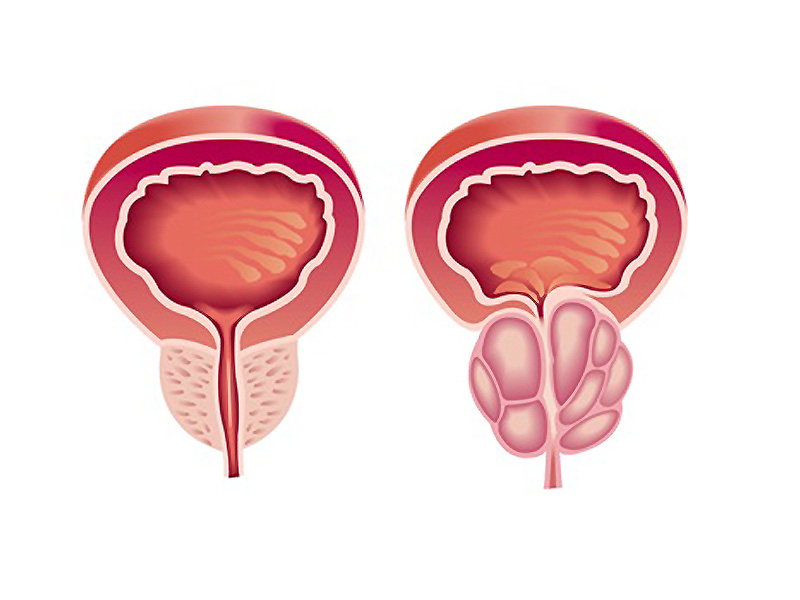
Typically, men undergo a biopsy of their prostate if they experience symptoms of prostate cancer or have a prostate specific antigen (PSA) test showing high levels of the PSA protein in their blood. Each year, over 100,000 prostate biopsies are carried out in the UK and one million are conducted in Europe. However, the PSA test is not always accurate, which means that many men undergo unnecessary biopsies.


“Prostate cancer has aggressive and harmless forms. Our current biopsy test can be inaccurate because the tissue samples are taken at random. This means it cannot confirm whether a cancer is aggressive or not and can miss aggressive cancers that are actually there. Because of this some men with no cancer or harmless cancers are sometimes given the wrong diagnosis and are then treated even though this offers no survival benefit and can often cause side effects. On top of these errors in diagnosis, the current biopsy test can cause side effects such as bleeding, pain and serious infections.” said lead author, Dr Hashim Ahmed, UCL, UK. [1]


Multi-parametric MRI (MP-MRI) scans provide information about the cancer’s size, how densely packed its cells are and how well connected to the bloodstream it is, so could help differentiate between aggressive and harmless cancers.


In this study, 576 men with suspected prostate cancer were given an MP-MRI scan followed by two types of biopsy in 11 NHS hospitals. Firstly, they underwent a template prostate mapping (TPM) biopsy, which was used as a control to compare the accuracy of the MP-MRI and standard biopsy against. The second biopsy was the standard transrectal ultrasound-guided (TRUS) biopsy – the most commonly used biopsy for diagnosing prostate cancer.


The TPM biopsy found that less than half of the men in the study (40%) had aggressive cancer.


Of these, the MP-MRI scan correctly diagnosed almost all of the aggressive cancers (93%), whereas the TRUS biopsy correctly diagnosed only half (48%). Further, for men who had a negative MP-MRI scan, nine out of 10 (89%) had either no cancer or a harmless cancer.


Because of this, the researchers suggest that MP-MRI could be used before TRUS biopsy to identify those who have harmless cancers and do not need a biopsy immediately. This group could instead continue to be monitored by their doctors, while those thought to have aggressive cancers could then have their MP-MRI scan result confirmed by the TRUS biopsy. Overall, this would reduce over-diagnosis while improving detection of aggressive cancers.


“Our results show that MP-MRI should be used before biopsy. Our study found that using the two tests could reduce over-diagnosis of harmless cancers by 5%, prevent one in four men having an unnecessary biopsy, and improve the detection of aggressive cancers from 48% to 93%,” said Dr Hashim Ahmed. “While combining the two tests gives better results than biopsy alone, this is still not 100% accurate so it would be important that men would still be monitored after their MP-MRI scan. Biopsies will still be needed if an MP-MRI scan shows suspected cancer too, but the scan could help to guide the biopsy so that fewer and better biopsies are taken.” 1


During the study there were 44 serious adverse events, with eight cases of sepsis caused by a urinary tract infection and 58 cases of urinary retention. These were a result of the biopsies rather than the MP-MRI scan, and are symptoms commonly seen in the clinic as a result of the standard biopsy.


Limitations of the study include that giving the TPM biopsy before the TRUS biopsy may have caused swelling and changes to the prostate tissue which could affect the accuracy of the TRUS biopsy. In addition, more research is needed into the cost-effectiveness of this approach, how it affects hospital capacity and ensuring there are enough radiologists to conduct the MP-MRI in the NHS.


The study was funded by the UK Department of Health, National Institute for Health Research, The University College London Hospitals Biomedical Research Centre and the Royal Marsden and Institute of Cancer Research Biomedical Research Centre. It was conducted by scientists from UCL, UCLH NHS Foundation Trust, the Royal Marsden Hospital, the MRC Clinical Trials Unit at UCL, University of York and Hampshire Hospitals NHS Foundation Trust.


Article: Diagnostic accuracy of multi-parametric MRI and TRUS biopsy in prostate cancer (PROMIS): a paired validating confirmatory study, Hashim U Ahmed, FRC et al., The Lancet, doi: 10.1016/S0140-6736(16)32401-1, published 19 January 2017.

Chikungunya Virus

Chikungunya (pronunciation: \chik-en-gun-ye) virus is transmitted to people by mosquitoes. During the first week of infection, chikungunya virus can be found in the blood and passed from an infected person to a mosquito through mosquito bites. An infected mosquito can then spread the virus to other people. Outbreaks have occurred in countries in Africa, Asia, Europe, and the Indian and Pacific Oceans.
In late 2013, chikungunya virus was found for the first time in the Americas on islands in the Caribbean. There is a risk that the virus will be imported to new areas by infected travelers. There is no vaccine to prevent or medicine to treat chikungunya virus infection. Travelers can protect themselves by preventing mosquito bites. When traveling to countries with chikungunya virus, use insect repellent, wear long sleeves and pants, and stay in places with air conditioning or that use window and door screens.

Clinical Signs & Symptoms
The majority of people infected with chikungunya virus become symptomatic. The incubation period is typically 3–7 days (range, 1–12 days). The disease is most often characterized by acute onset of fever (typically >39°C [102°F]) and polyarthralgia. Joint symptoms are usually bilateral and symmetric, and can be severe and debilitating. Other symptoms may include headache, myalgia, arthritis, conjunctivitis, nausea/vomiting, or maculopapular rash. Clinical laboratory findings can include lymphopenia, thrombocytopenia, elevated creatinine, and elevated hepatic transaminases.

Acute symptoms typically resolve within 7–10 days. Rare complications include uveitis, retinitis, myocarditis, hepatitis, nephritis, bullous skin lesions, hemorrhage, meningoencephalitis, myelitis, Guillain-Barré syndrome, and cranial nerve palsies. Persons at risk for severe disease include neonates exposed intrapartum, older adults (e.g., > 65 years), and persons with underlying medical conditions (e.g., hypertension, diabetes, or cardiovascular disease). Some patients might have relapse of rheumatologic symptoms (e.g., polyarthralgia, polyarthritis, tenosynovitis) in the months following acute illness. Studies report variable proportions of patients with persistent joint pains for months to years. Mortality is rare and occurs mostly in older adults.

Symptoms
Most people infected with chikungunya virus will develop some symptoms.
Symptoms usually begin 3–7 days after being bitten by an infected mosquito.
The most common symptoms are fever and joint pain.
Other symptoms may include headache, muscle pain, joint swelling, or rash.
Chikungunya disease does not often result in death, but the symptoms can be severe and disabling.
Most patients feel better within a week. In some people, the joint pain may persist for months.
People at risk for more severe disease include newborns infected around the time of birth, older adults (≥65 years), and people with medical conditions such as high blood pressure, diabetes, or heart disease.
Once a person has been infected, he or she is likely to be protected from future infections.

Diagnosis
Laboratory diagnosis is generally accomplished by testing serum or plasma to detect virus, viral nucleic acid, or virus-specific immunoglobulin (Ig) M and neutralizing antibodies. Viral culture may detect virus in the first 3 days of illness; however, chikungunya virus should be handled under biosafety level (BSL) 3 conditions. During the first 8 days of illness, chikungunya viral RNA can often be identified in serum. Chikungunya virus antibodies normally develop toward the end of the first week of illness. Therefore, to definitively rule out the diagnosis, convalescent-phase samples should be obtained from patients whose acute-phase samples test negative.

Treatment
There is no vaccine to prevent or medicine to treat chikungunya virus.

Treat the symptoms:
Get plenty of rest.
Drink fluids to prevent dehydration.
Paracetamol to reduce fever and pain.
Do not use aspirin and other non-steroidal anti-inflammatory drugs (NSAIDS until dengue can be ruled out to reduce the risk of bleeding).

Prevention
No vaccine exists to prevent chikungunya virus infection or disease.
Prevent chikungunya virus infection by avoiding mosquito bites.
The mosquitoes that spread the chikungunya virus bite mostly during the daytime.
Protect from Mosquito Bites
Use air conditioning or window/door screens to keep mosquitoes outside. Use mosquito bed net.
Help reduce the number of mosquitoes outside home or hotel room by emptying standing water from containers such as flowerpots or buckets.
When weather permits, wear long-sleeved shirts and long pants.
Use insect repellents

WHO Approves World’s First-Ever Dengue Vaccine

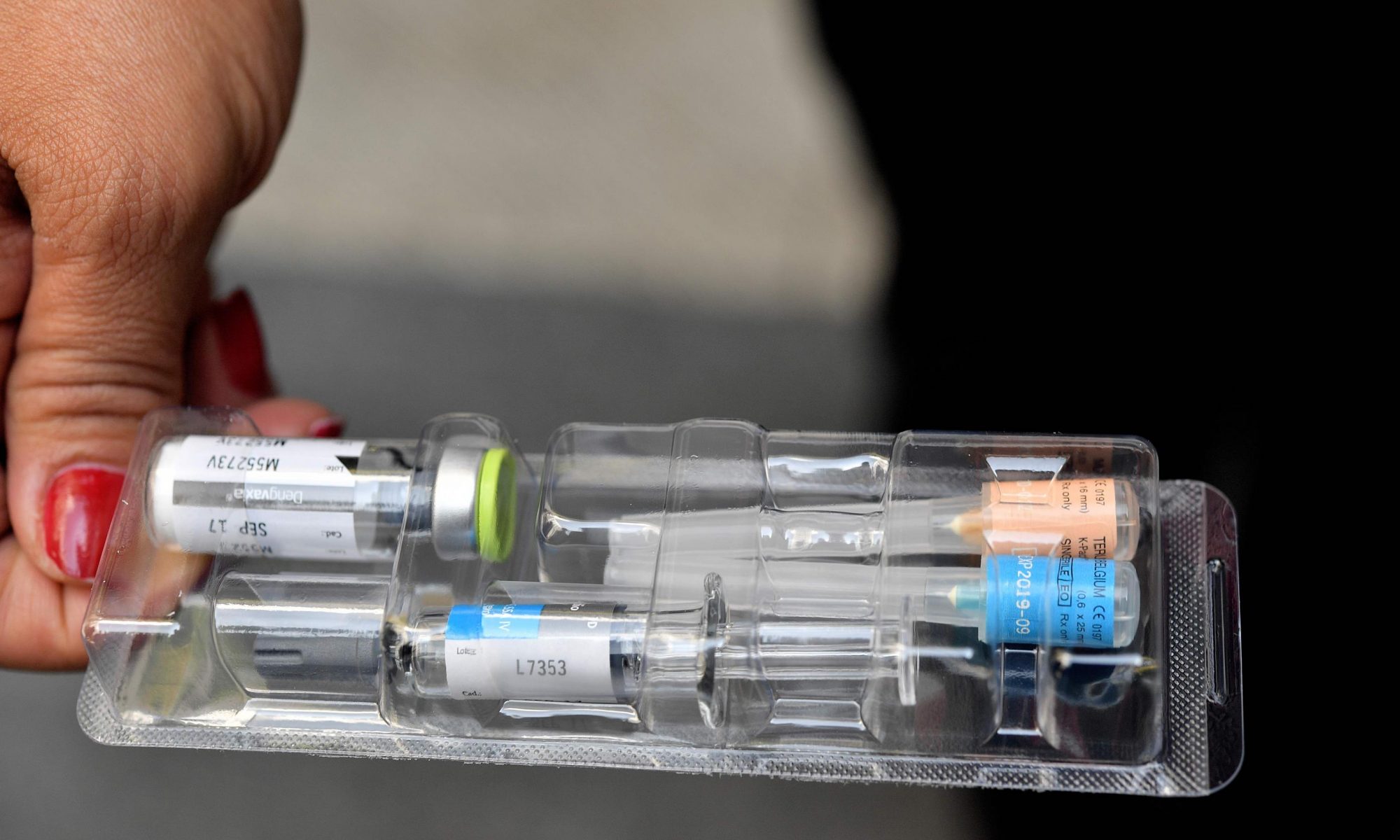
The World Health Organization (WHO) endorsed the world’s first-ever vaccine Dengvaxia for dengue fever. Known as Dengvaxia, the vaccine is the product of two decades of research by French-based Sanofi Pasteur.

To date the vaccine has been approved in Mexico, Philippines, Brazil, El Salvador, Costa Rica, Paraguay, Guatemala, Peru, Indonesia, Thailand and Singapore.

The vaccine is given in three injections spaced out over one year. It is designed for those over the age of nine who have been previously exposed to the virus and is best suited for people living in endemic areas, as opposed to short-term travellers, according to Dr. Alain Bouckanooge, associate vice president of clinical research and development at Sanofi’s division in Thailand.

Studies have shown that overall, the vaccine is effective at reducing dengue by 60 per cent, and reducing severe dengue by 84 per cent.

Against the Den-1 and Den-2 strains – which account for three-quarters of the dengue cases in Singapore – the vaccine’s efficacy is 50 per cent and 40 per cent respectively, compared with 75 and 77 per cent for the other two strains.


Eko Core Digital Stethoscope

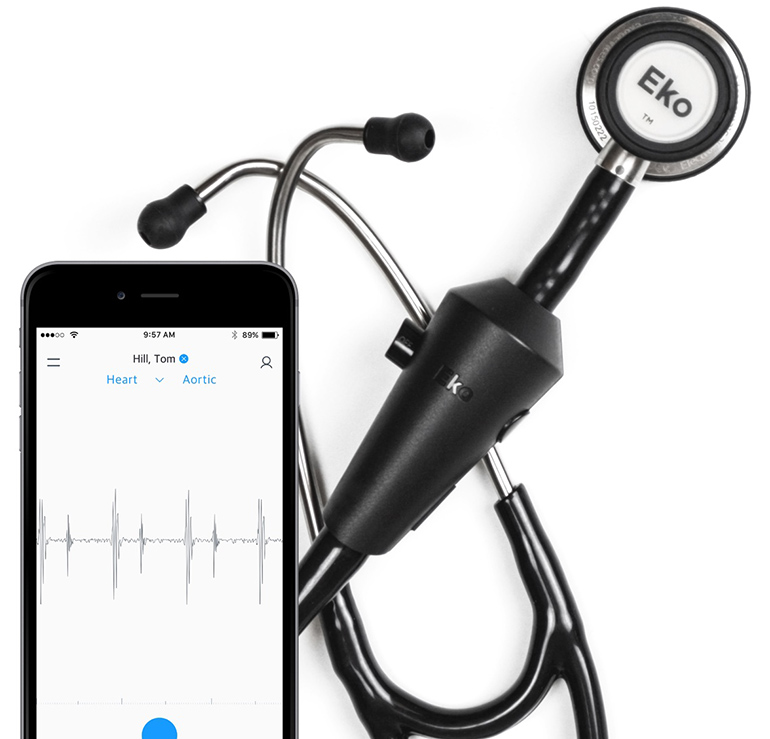
Eko Core, the digital stethoscope from Eko Devices, a Berkeley, CA firm. It’s much more than a high-fidelity amplified stethoscope. You can store and share auscultations, as well as analyze and annotate them using a paired app, which wirelessly connects to the Eko Core. You can even listen to recordings shared by other clinicians through the Eko Core, so you can hear exactly what they heard when they conducted the exam.

Everything can be stored to an electronic medical record (EMR), just like a radiologist would save patient CT scans, and these can be compared during future exams. The data can even be live-streamed for tele-medicine applications, such as allowing cardiology specialists to help to diagnose patients in remote and understaffed clinics. All the sharing and streaming is done using HIPAA-compliant software, allowing it to be used and integrated into existing clinical practices and their IT systems.

When you get your stethoscope, you download the app and connect the stethoscope to your iPhone, iPad, or Android device via Bluetooth.

When you perform an auscultation exam, keep your iPhone handy: the software will automatically navigate you to record, store, or share the sounds. You can annotate and attribute recorded sounds to specific regions of the chest or back, say aortic valve region for heart sounds, or upper left for lungs. (Attributing sounds to specific locations is optional. You can just record the sounds on their own if you wish to.)

The sharing part is HIPAA compliant, and you can share the recordings with colleagues or save it to an EMR. You can also receive recordings from other clinicians and hear them right there in the stethoscope. So the stethoscope is not only a recording device, but also a playback device.

Medical Robotics Shows Off Its New Versius System

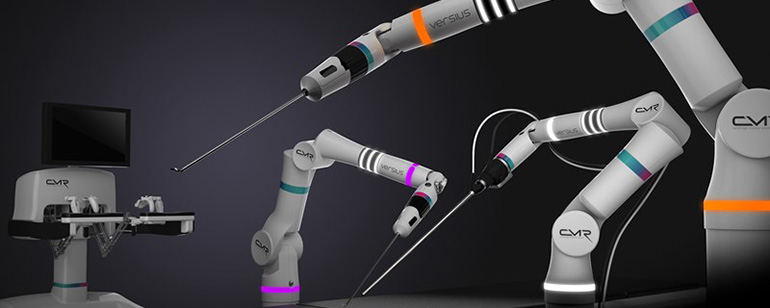
Cambridge Medical Robotics, a UK firm, is revealing its Versius robotic surgery system. The system consists of modular robotic arms, any number of which can be used depending on a procedure. The arms can have a camera or any one of the dozen or so tools attached, and they can be quickly swapped for other tools as necessary.

Each of the arms can be placed around the patient table or even hung from above to save valuable space. The surgeon wears a pair of 3D glasses and operates by looking at a monitor instead of peering into a scope common on existing systems. This can help improve ergonomics and allow the surgeon to see and interact easier with clinicians managing the patient and the robot. The robot is operated using a controller similar to video game joysticks and the system delivers haptic feedback from the instrument to the controller, so the surgeon can actually feel the anatomy being worked on.

Unlike existing robotic surgical systems, the Versius can work with instruments requiring only a 5 mm incision. Typically the smallest instrument sizes on robotic systems is 8 mm, and unlike 5 mm incisions these typically require suturing and maintenance.

The company has already performed a number of studies, including on cadavers, and is compiling responses and data from 32 surgeons that has already used the Versius system. The firm hopes to receive the CE Mark in Europe in 2018 and FDA regulatory green light shortly thereafter.

SnooZeal Prevents Snoring by Training Tongue During Daytime

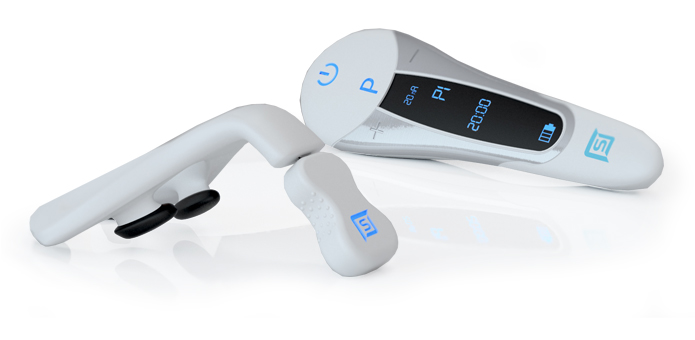
The SnooZeal product consists of a mouth piece that places electrodes above and below the tongue, a control unit that connects to the mouthpiece, a remote control, and a smartphone app. It works by electrically stimulating the tongue to give it a workout and keep it from completely relaxing and collapsing during the night. Snoozeal Inc. is a company out of Seattle, Washington that won the European CE Mark for its snoring prevention device.

The SnooZeal is not actually used during sleep, but indicated to be placed in the mouth twice a day for a period of six weeks. This essentially physically trains the tongue muscle and helps to keep it at least partially contracted even at night.

The device can be controlled either via the remote or through the accompanying smartphone app.

Results from multiple previous clinical trials have proven that muscle activity can be improved with this electrical stimulation technology principle.

Several studies have shown that electrical stimulation of the tongue can reduce snoring and sleep-related obstructions.

SnooZeal is the first patented product that is used entirely in the mouth and that directly stimulates the tongue muscle in order to address the root cause of snoring.

FDA Approves insulin glargine and lixisenatide

U.S. Food and Drug Administration (FDA) approved once-daily Soliqua 100/33 (insulin glargine & lixisenatide injection) 100 Units/mL & 33 mcg/mL for the treatment of adults with type 2 diabetes inadequately controlled on basal insulin (less than 60 Units daily) or lixisenatide.

Soliqua 100/33 is the combination of Lantus (insulin glargine 100 Units/mL) and lixisenatide, a GLP-1 receptor agonist, in a once-daily injection, studied in a Phase 3 program of more than 1,900 patients. In an insulin intensification study, Soliqua 100/33 showed better HbA1c (average blood sugar over time) lowering versus Lantus with a majority of the 736 patients (55% vs. 30%) achieving the American Diabetes Association target of less than 7% at 30 weeks. Patients treated with Soliqua 100/33 experienced similar rates of documented (less than or equal to 70 mg/dL) hypoglycemia compared to Lantus-treated patients. The most frequently reported adverse events included hypoglycemia, as well as nausea (10%), nasopharyngitis (7%), diarrhea (7%) and upper respiratory tract infection (5%).

Soliqua 100/33 will be delivered in a single pre-filled pen for once-daily dosing covering 15 to 60 Units of insulin glargine 100 Units/mL and 5 to 20 mcg of lixisenatide using SoloStar technology, the most frequently used disposable insulin injection pen platform in the world.

FDA Approves insulin degludec and liraglutide injection

U.S. Food and Drug Administration (FDA) approved the New Drug Application for Xultophy 100/3.6 (insulin degludec 100 units/mL and liraglutide 3.6 mg/mL injection). Xultophy 100/3.6 is a once-daily, combination of Tresiba (insulin degludec injection) and Victoza (liraglutide) injection indicated as an adjunct to diet and exercise to improve glycemic control in adults with type 2 diabetes inadequately controlled on less than 50 units of basal insulin daily or less than or equal to 1.8 mg of liraglutide daily.1Xultophy 100/3.6 enters into a new class of diabetes treatments that combine a basal insulin and a glucagon-like peptide-1 receptor agonist (GLP-1 RA) in a single, once-daily injection.

Xultophy 100/3.6 is administered as a once-daily injection from a prefilled pen and can be taken with or without food. Each Xultophy 100/3.6 dosage unit contains one unit of insulin degludec and 0.036 mg of liraglutide. The starting dose of Xultophy 100/3.6 is 16 units (16 units insulin degludec and 0.58 mg liraglutide). The maximum dose of 50 units of Xultophy 100/3.6 corresponds to 50 units of insulin degludec and 1.8 mg of liraglutide.


LimFlow System: A New Option for Treating Critical Limb Ischemia

If peripheral vascular disease (PAD) is not treated, it can progress toward nearly complete blockage of the arteries that supply the lower extremity with blood and result in critical limb ischemia (CLI). People suffering with the condition experience severe pain, can have gangrene, and have a drastically reduced quality of life. A new device from LimFlow, a company based in Paris, France received the European CE mark to introduce a system that can offer a new option for otherwise untreatable patients.

The LimFlow system is used to link the tibial vein and a diseased tibial artery of the leg so that blood can bypass the arterial occlusion and reach the foot. It relies on two catheters that utilize ultrasound to accurately line up next to each other. Once positioned, a guidewire from the arterial side is used to penetrate into the vein and to then place a covered stent that bridges the vessels. The stent is quite long, continuing toward the foot to provide the necessary support for all the new blood flow.

While not a miracle cure, as the patient will now have blood moving down the vein in the wrong direction, it may prevent terrible consequences such as amputation. “Utilizing the existing alternative pathway of the venous vasculature, the LimFlow System is designed to reestablish perfusion for patients that have chronic, non-healing wounds and are in imminent danger of losing a limb,” said Dan Rose, chief executive officer of LimFlow, in a statement. “We can now provide an option for patients that have none today. In early clinical cases, we have seen patients with extensive and severe foot wounds, including gangrene, fully heal following treatment with the LimFlow therapy, becoming mobile and active again.”

Pill Expands In Stomach to Stay For Weeks Delivering Medication

Many drugs require precise ingestion regimens that optimize the effect of the medication, but getting patients to follow the schedule is often easier said than done. Additionally, some drugs may work better if only they could be delivered continuously in small doses, over a period of days or weeks. At MIT and Brigham and Women’s Hospital in Boston researchers have created a capsule that expands in the stomach and delivers its drug payload in a controlled manner over an extended period of time.

It consists of a flexible hub and six drug-loaded legs that are bunched together and stuffed inside a dissolvable pill. When the pill reaches the stomach, the legs of the device open up and prevent it from leaving the stomach. This lets the slow-release mechanism within the legs to deliver the medication over a long time. After a few weeks, the hub eventually dissolves, letting each leg go and having each small piece now able to pass further down the GI tract.