
Intrarosa (prasterone) to treat women experiencing moderate to severe dyspareunia

The U.S. Food and Drug Administration approved Intrarosa (prasterone) to treat women experiencing moderate to severe pain during sexual intercourse (dyspareunia), a symptom of vulvar and vaginal atrophy (VVA), due to menopause. Intrarosa is the first FDA approved product containing the active ingredient prasterone, which is also known as dehydroepiandrosterone (DHEA).

During menopause, levels of estrogen decline in vaginal tissues, which may cause a condition known as VVA, leading to symptoms such as pain during sexual intercourse.

“Pain during sexual intercourse is one of the most frequent symptoms of VVA reported by postmenopausal women,” said Audrey Gassman, M.D., deputy director of the Division of Bone, Reproductive, and Urologic Products (DBRUP) in the Office of Drug Evaluation III in the FDA’s Center for Drug Evaluation and Research (CDER). “Intrarosa provides an additional treatment option for women seeking relief of dyspareunia caused by VVA.”

Efficacy of Intrarosa, a once-daily vaginal insert, was established in two 12-week placebo-controlled clinical trials of 406 healthy postmenopausal women, 40 to 80 years of age, who identified moderate to severe pain during sexual intercourse as their most bothersome symptom of VVA. Women were randomly assigned to receive Intrarosa or a placebo vaginal insert. Intrarosa, when compared to placebo, was shown to reduce the severity of pain experienced during sexual intercourse.

The safety of Intrarosa was established in four 12-week placebo-controlled trials and one 52-week open-label trial. The most common adverse reactions were vaginal discharge and abnormal Pap smear.

Although DHEA is included in some dietary supplements, the efficacy and safety of those products have not been established for diagnosing, curing, mitigating, treating or preventing any disease.

Statins May Boost Survival Odds After Cardiac Arrest

The odds of surviving cardiac arrest seem higher for patients who’ve been taking cholesterol-lowering statins, a new study shows.

Researchers in Taiwan studied the medical records of nearly 138,000 cardiac arrest patients. Those already using statins such as Lipitor (atorvastatin) or Crestor (rosuvastatin) were about 19 percent more likely to survive to hospital admission and 47 percent more likely to be discharged. Also, they were 50 percent more likely to be alive a year later, the study found.

“When considering statin use for patients with high cholesterol, the benefit of surviving sudden cardiac arrest should also be considered, as statin use before cardiac arrest might improve outcomes of those patients,” said study author Dr. Ping-Hsun Yu.

Yu is a researcher from the National Taiwan University Hospital and College of Medicine in New Taipei City.

The greatest survival benefit from statins was seen in patients with type 2 diabetes, Yu’s team said.

Cardiac arrest is the abrupt loss of heart function. Death often occurs instantly or shortly after symptoms appear, according to the American Heart Association.

“We know that a large proportion of cardiac arrests occur due to coronary plaque rupture,” said Dr. Puneet Gandotra, director of the cardiac catheterization laboratories at Northwell Health Southside Hospital in Bay Shore, N.Y.

“This rupture leads to a snowball effect in arteries and can cause arteries to get blocked, resulting in a heart attack or cardiac arrest,” he explained.

So how might statins help?

“I feel that due to statin therapy, there is significant plaque stability and the effects of rupture are not as significant. Thus, an improvement in survival is noticed with patients on statin therapy who have cardiac arrests,” Gandotra said.

Statins are often prescribed for patients after a heart attack or stroke as a way to prevent a second cardiovascular event. However, “this does not mean that everyone should be on statin therapy,” Gandotra said.

These drugs can have side effects, such as muscle pain and weakness and higher blood sugar levels. In addition, the value of statins for preventing a first cardiac arrest or stroke is not clear, the researchers added.

Dr. Suzanne Steinbaum, director of Women’s Heart Health at Lenox Hill Hospital in New York City, said, “What we learn from studies like this is that [statins] have other benefits.

“A study like this gives me a reason to say, ‘There are more reasons for you to take a statin than just to lower your cholesterol,’ ” Steinbaum said.

For the study, Yu and colleagues divided the medical records of almost 138,000 patients according to whether they had used statins for 90 days within the year before their cardiac arrest. The researchers also accounted for gender, age, other medical problems, number of hospitalizations, post-resuscitation and other variables.

Because more than 95 percent of the patients in the study were Asian, these results might not apply to other groups or ethnic populations, Yu said.

The findings were to be presented on Sunday at the American Heart Association annual meeting, in New Orleans.

PR1 Peptide Vaccine May Aid Leukemia Remission

PR1 peptide vaccine may benefit many patients with myeloid leukemia, chronic myeloid leukemia and myelodysplastic syndrome, findings from an early clinical trial suggest.

As Dr. Muzaffar Qazilbash told Reuters Health by email, “This vaccine was able to induce a leukemia-specific immune response in more than half of the treated patients. These leukemia-specific T cells were probably responsible for the durable clinical responses seen in the study.”

For the study, online September 22 in Leukemia, Dr. Qazilbash of MD Anderson Cancer Center in Houston, Texas, and colleagues studied 66 HLA-A2+ patients. As well as establishing whether the vaccine was tolerated, the team sought to determine whether vaccination with the HLA-A2-restricted peptide would lead to its recognition on myeloid leukemia cells by cytotoxic T lymphocytes (CTLs) that preferentially kill leukemia and contribute to cytogenetic remission.

The patients received three to six PR1 vaccinations subcutaneously every three weeks at dose levels of 0.25, 0.5 or 1.0 mg.

Of the 53 evaluable patients with active disease, 12 (24%) had objective clinical responses. This was complete in eight, partial in one and three showed immunological improvement. Response was seen in all three disease types, but was most prominent in those with a low disease burden.

Nine of 25 patients with immune response, defined as a doubling of PR1-CTL in peripheral blood, had a clinical responders, significantly more than was the case in non-responders (3 of 28).

No grade 3 or 4 toxicity was observed and there was no association between grade 1 or grade 2 toxicity and vaccine dose level.

After a median follow-up of 10 years, 26 patients (39%) are still alive. Of the 14 patients who are in remission, 10 (71%) had an immune response to the vaccine.

“PR1 vaccine,” he added, “may also be used in patients who have achieved a complete remission after standard therapy, but are at a high risk of relapse.”

Dr. Peter Maslak, chief of the Immunology Laboratory Service at Memorial Sloan Kettering Cancer Center in New York, told Reuters Health by email, “This is a novel vaccine approach for patients with myeloid malignancies which demonstrates the ability to induce specific T cell immunity which, in some cases, translates to meaningful clinical responses.”

“Such studies provide ‘proof of hypothesis’ as we investigate incorporating non-transplant, immune-based strategies into current treatment regimens,” said Dr. Maslak, who was not involved in the work.

SOURCE: http://bit.ly/2ezHGZT

Risks of Biological Therapies in Patients With IBD

Safety issues are a major concern for patients considering treatments for inflammatory bowel disease (IBD). Researchers performed a systematic review and meta-analysis to determine whether biologic agents affect the risk of infection or malignancy in adults with IBD.

The therapeutic armamentarium for inflammatory bowel disease (IBD) is rapidly growing. During recent years, novel biologic treatments have been developed for Crohn’s disease (CD) and ulcerative colitis (UC), some of which are currently approved for the treatment of IBD refractory to standard medications: 4 anti–tumor necrosis factor (anti-TNF) agents, infliximab, adalimumab, golimumab, certolizumab pegol, and 2 anti-integrin molecules, natalizumab and vedolizumab.

Although their clinical efficacy in IBD has been clearly established, it remains uncertain to what extent biologic therapies might be associated with increases in the rate of infections and malignancies. This uncertainty reflects the difficulties of analyzing and interpreting sparse adverse event (AE) data derived from randomized controlled trials (RCTs) that have not been adequately powered to detect potentially small increases in the risk of infections or cancer. In addition, post-marketing observational studies lack the experimental random allocation that is necessary to optimally test exposure-outcome hypotheses and leave open to discussion whether events are associated with the biologic agent or with IBD itself.

Because of the wide use of biologic drugs as induction and maintenance therapy for adults with CD or UC, Researchers conducted a systematic review and meta-analysis of RCTs to examine the effects of the different anti-TNF and anti-integrin agents used in IBD on the risk of developing infections (primary outcome) and malignancies (secondary outcome). In addition to traditional meta-analytic techniques, network meta-analysis was performed, allowing adjusted indirect comparisons relative to a common comparator (placebo) and yielding estimates of comparative harm. Researchers aimed to provide a clinically useful summary of the existing evidence to assist physicians in the decision-making process.

On the basis of a systematic review and meta-analysis, biologic agents increase the risk of opportunistic infections in patients with IBD, but not the risk of serious infections. It is necessary to continue to monitor the comparative and long-term safety profiles of these drugs.


Vaccine may control genital herpes as effectively as daily pills

Three injections of a therapeutic vaccine may control genital herpes as effectively as daily pills for at least a year, a new study suggests.

Researchers tested the experimental vaccine in 310 people with herpes from 17 centers around the United States. The three shots, administered three weeks apart, appeared to reduce patients’ genital lesions and the process of “viral shedding” in which they can spread the disease through sexual contact.

Infectious disease experts hailed the vaccine as a promising development in the treatment of genital herpes. The incurable disease affects about one in every six people ages 14 to 49 in the United States, according to the U.S. Centers for Disease Control and Prevention.

“In general terms, people receiving [the vaccine] have greater than 50 percent fewer days in which virus is present in their genital tracts, which in theory may reduce transmission,” said study author Jessica Baker Flechtner. She’s chief scientific officer at Genocea Biosciences, the Cambridge, Mass., manufacturer of the vaccine.

Currently named GEN-003, the vaccine is believed to work by prompting a type of white blood cell known as a T-cell to recognize and kill cells in which the virus lives, Flechtner explained.

Current herpes treatment involves taking antiviral pills that can control the length and severity of symptoms and reduce patients’ outbreaks. But many patients struggle with taking their treatments regularly, infectious disease experts said.

“Herpes is an uncomfortable, embarrassing disease,” Hoffman said. “This [vaccine] offers the opportunity to protect people going into new relationships.

“As you can imagine, if one partner has six to 10 episodes of herpes per year and the other partner is unaffected, it can really change the nature of the relationship,” he added. “But if that number goes down to one to two episodes per year based on immunization, it can help protect the other partner.”

Stanberry predicted that future research would look at combining the vaccine with antiviral pills to gauge the impact on reducing sexual transmission. On its own, the vaccine “is likely to reduce the risk, but the likelihood of eliminating the risk is exceedingly small,” he said.

The study was presented at the Infectious Disease Society of America’s annual meeting in New Orleans that ended Oct. 30. Research presented at conferences typically hasn’t been peer-reviewed or published, and results are considered preliminary.

Frequent Routine Dental Care Protective Against Pneumonia

Twice-yearly dental check-ups appear to protect against developing pneumonia compared with less frequent dental visits, according to an analysis of national survey data. The findings further support the link between poor dental hygiene and bacterial infection.

“The risk of pneumonia appears to be decreased in those who customarily attend routine dental check-ups,” said Michelle Doll, MD, MPH, an assistant professor of medicine at Virginia Commonwealth University School of Medicine, Richmond. “There may be a relatively simple intervention, routine preventive dental care, that can assist in achieving pneumonia prevention.”

Dr Doll noted that previous studies have suggested a link between dental care and bacterial pneumonia risk. “We wanted to examine a larger population to see if dental care, overall, is preventive. We found that people who visited their dentist more frequently were protected against pneumonia. Compared to visits at least twice a year, persons who never saw a dentist had an 86% increased risk,” she said.

Dr Doll presented the findings here at IDWeek 2016, the joint annual meeting of the Infectious Diseases Society of America, the Society for Healthcare Epidemiology of America, the HIV Medicine Association, and the Pediatric Infectious Diseases Society.

Dental Care a Significant Factor in Pneumonia Diagnosis

Pneumonia was significantly associated with decreased frequency of dental check-ups. Compared with persons who visited the dentist at least twice a year, persons who had dental check-ups less than once a year had a 49% increased risk for pneumonia (P = .0373) and persons reporting never having visited a dentist had an 86% risk (P = .0008).

The mechanism of protection may be related to influx of pathogenic organisms from the mouth into the lung. “It is believed that in persons with good oral hygiene, there is less potentially pathogenic bacteria tracking into the lung and causing disease,” Dr Doll explained. Even in healthy persons, small quantities of saliva can aspirate into the lung. “The content of that saliva depends on one’s overall oral health. If there are pathogenic bacteria, this could cause pneumonia,” she said.

Dr Doll and her team acknowledged that frequent routine dental visits may indicate more long-term healthy oral behaviors or better general health.


Statin Use Linked to Increased Parkinson’s Risk

New findings from a large national claims database show the use of cholesterol-lowering statin drugs to be associated with an increased risk for Parkinson’s disease (PD), contrary to previous research suggesting the drugs have a protective effect for PD.

For the new study, presented here at the American Neurological Association (ANA) 2016 Annual Meeting, the researchers turned to data from the MarketScan Commercial Claims and Encounters database, including information on 30,343,035 persons aged 40 to 65 years between January 1, 2008, and December 31, 2012.

In the cross-sectional analysis, the use of cholesterol-lowering drugs, including statins or nonstatins, was associated with a significantly higher prevalence of Parkinson’s disease (odds ratio [OR], 1.61 – 1.67; P < .0001) after adjustment for age, sex, and other comorbidities, such as hyperlipidemia, diabetes, hypertension, and coronary artery disease.

For a comparative neurodegenerative group, the researchers also looked at the association of statin with diagnosis of Alzheimer’s disease but found only a minimal association (OR, 1.01 – 1.12; P = .055).

The associations of cholesterol-lowering medications with PD were strongest among patients with hyperlipidemia, and there were no significant differences between lipophilic or hydrophilic statins, as well as the other nonstatin cholesterol-lowering drugs, in their effect on PD risk.

“We know that overall weight of the literature favors that higher cholesterol is associated with beneficial outcomes in Parkinson’s disease, so it’s possible that statins take away that protection by treating the high cholesterol,” Dr Huang explained.

“Another possibility is that statins can block not only the cholesterol synthesis but also synthesis of coenzyme Q10 that is essential for cell function.”

The researchers also stratified persons according to how long they had been receiving treatment by using a lagged matched case-control analysis of 2458 pairs of PD cases and controls.

In the cross-sectional analysis, both statins and nonstatin cholesterol-lowering drugs were associated with PD, but in the lagged case-control analysis of treatment duration, only statins remained significantly associated with PD risk.

The highest risk was linked to the earlier period after starting statins (OR, 1.93 for less than 1 year of use; 1.83 for 1 to 2.5 years; and 1.37 for 2.5 years or more; P trend < .0001).

“The increased risk of Parkinson’s is more likely when statins are first used, so we think it could be that the statins ‘unmasked’ Parkinson’s,” Dr. Huang said. “Namely, people may be already on the way to Parkinson’s and when they use statins to control the high cholesterol, it gives Parkinson’s a push to reveal its clinical symptoms.

“Based on this data, we think caution should be taken before advancing statins to be protective of Parkinson’s disease,” she added. “The data are not clear yet.”

American Neurological Association (ANA) 2016 Annual Meeting. Abstract S137. Presented October 16, 2016.


HIV Hides in Brain, Kidney Tissues Even When Undetectable in Blood

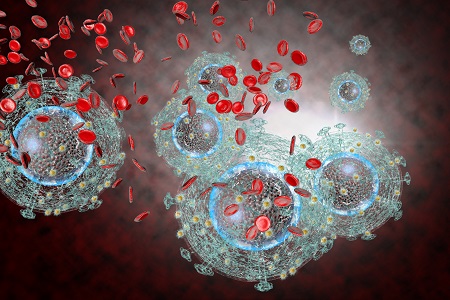
Antiretroviral therapy (ART) has certainly gotten more sophisticated over the years. The proper treatment can enable a patient to achieve an undetectable viral load in their blood – which greatly reduces the risk of transmitting the human immunodeficiency virus (HIV) to someone else. However, even if a patient achieves this level, the virus can still be found in their tissues. This part isn’t a new piece of information, but researchers from the University of California, San Francisco (UCSF) took it a step further by examining autopsy tissues.

Led by Michael S. McGrath, MD, PhD, the team looked at tissues from people who had HIV – some were treated with ART and others weren’t. What they found was that ART didn’t impact HIV found in some of the tissues. But this wasn’t due to drug resistance, as the researchers didn’t find traces of that.

“Our findings suggest the spectrum of ‘non-AIDS defining’ diseases such as cancers and cardiovascular disease that are increasingly the cause of death for virally suppressed patients are likely driven to some degree by the presence of active, untreated virus in tissues,” said McGrath, a professor of laboratory medicine at the AIDS and Cancer Specimen Resource at UCSF – which is where the tissues came from starting at 1984.

The team analyzed tissues and HIV genetic sequences from five people treated for HIV who had died from cancer. None of them had detectable virus in the blood. The results were compared to a similar cohort with the only major difference being that they were never treated for their HIV.

“Our results suggest that HIV in varied tissue compartments can be untouched by the medications,” McGrath explained. “In addition, our findings suggest that strategies to ‘cure’ HIV infection, which are centered on treatment of blood, must consider targeting tissue based sites of HIV.”

Another discovery was an evolving “wild type” HIV which wasn’t affected by ART. That virus was found in the cerebellum, lymph nodes, lungs, colons, spleens, and more tissues, as described in the Journal of Virology. Additional findings concentrated on HIV-infected macrophages – described as a long-lived tissue-based immune cell which destroys foreign substances and disease-carrying cells. The disease process for conditions like cardiovascular disease and neurological diseases could be influenced when HIV activates tissue macrophages.

With the addition of this new evidence, researchers now have a better picture of where HIV resides even when the viral load is extremely low in the blood.

Herbal, Dietary Supplements Cause One-Fifth of Hepatotoxicity

Major implicated agents include anabolic steroids, green tea, multi-ingredient nutritional supplements

Herbal and dietary supplement (HDS)-induced liver injury accounts for 20 percent of cases of hepatotoxicity in the United States, according to research published online Sept. 27 inHepatology.

Victor Navarro, M.D., from Einstein Healthcare Network in Philadelphia, and colleagues examine the current challenges in the diagnosis and management of HDS-induced liver injury.

The researchers note that HDS-induced liver injury accounts for one in five cases of hepatotoxicity in the United States. Anabolic steroids, green tea extract, and multi-ingredient nutritional supplements (MINS) are the major implicated agents. Anabolic steroids, which are marketed as bodybuilding supplements, tend to induce a prolonged cholestatic, self-limiting liver injury, characterized by a distinctive biochemical and histological phenotype. In contrast, green tea extracts and other products cause an acute hepatitis-like injury. MINS account for most cases of HDS-associated liver injury; the causative agent is usually unknown or can only be suspected.

“The confident identification of injurious ingredients within HDS will require strategic alignments among clinicians, chemists, and toxicologists,” the authors write. “The ultimate goal should be to prohibit or more closely regulate potentially injurious ingredients and thus promote public safety.”

Flublok Quadrivalent Flu Vaccine

The US Food and Drug Administration (FDA) has approved a new version of a recombinant, egg-free influenza vaccine called Flublok (Protein Sciences) that will protect against four strains of the virus, the manufacturer announced today.

The current version of Flublok, available during the 2016-2017 flu season, is designed for three strains: an A/California/7/2009 (H1N1)-like virus, an A/Hong Kong /4801/2014 (H3N2)-like virus, and a B/Brisbane/60/2008-like virus (B/Victoria lineage). The new formulation, Flublok Quadrivalent, protects against these as well as the B/Phuket/3073/2013-like virus (B/Yamagata lineage). Both are injectables.

A company spokesperson told Medscape Medical News that  Flublok Quadrivalent would be available for the 2017-2018 flu. Like its trivalent predecessor, Flublok Quadrivalent is indicated for adults 18 years of age and older.

Approved in 2013, trivalent Flublok is the only influenza vaccine on the market fashioned through recombinant DNA technology. The manufacturer isolates a hemagglutinin (HA) protein found on the surface of a naturally occurring flu virus that, as an antigen, triggers an immune response. These HA proteins are combined with portions of another virus, and the mix is grown in insect cells. The HA protein is then harvested and purified.

The Advisory Committee on Immunization Practices of the Centers for Disease Control and Prevention recommended trivalent Flublok in 2013 as a vaccine alternative for individuals who have an egg allergy. The two other current ways of making flu vaccines involve eggs. In egg-based manufacturing, inactivated or live attenuated vaccine viruses are grown in eggs. In the cell-based process, vaccine viruses first are grown in eggs and then combined with mammalian cells to replicate. Vaccine antigen is purified from this mix.

In a news release, Protein Sciences called Flublok Quadrivalent a “good choice” for seniors and individuals with compromised immune systems because it contains three times more active ingredient than other quadrivalent flu vaccines, compensating for a weaker immune response.

A clinical study of 9000 adults 50 years of age and older showed that individuals who received Flublok Quadrivalent were more than 40% less likely to come down with a confirmed case of influenza than those who received Fluarix Quadrivalent (Glaxo SmithKline), according to the manufacturer.

Injection-site tenderness and pain, headache, and fatigue are among the most common adverse events associated with Flublok Quadrivalent.