Chloroquine for COVID-19: Available Evidence as of 20/3/2020

Chloroquine for COVID-19: Available Evidence as of 20/3/2020

Contributed by: Anuolu Bank-Oni, PharmD, CDE, BCGP

A novel coronavirus, identified as severe acute respiratory syndrome coronavirus 2 (SARS-CoV-2), developed in December 2019. The virus causes coronavirus disease-2019 (COVID-19) and initial cases are thought to have originated in a seafood market in Wuhan, China. Since then, SARS-CoV-2 has spread rapidly throughout the world leaving chaos in its wake.

SARS-CoV-2 is a single, positive-stranded RNA virus and primarily causes respiratory infections in humans. The most common symptoms are fever, dry cough, fatigue, and difficulty breathing. SARS-CoV-2 has been found to be closely related to the virus responsible for the 2003 epidemic (SARS-CoV-1).

Although there is currently no proven treatment, certain medications are being investigated for efficacy. Chloroquine, a drug used to treat malaria and autoimmune diseases, has shown promise. After oral administration, chloroquine is extensively distributed in the body, including the lungs – an important feature when treating a respiratory infection.

Chloroquine has antiviral activity and the following are the hypothesized mechanisms of action in the treatment of SARS-CoV-2:

  • Inhibits the fusion of viral and endosomal membranes by increasing endosomal pH, thereby preventing viral replication.
  • Inhibits activation of the p38 mitogen-activated protein kinase, thereby preventing viral replication.
  • Interferes with proteolytic processing of the M protein, which is essential for viral assembly and budding.
  • Reduces the production of proinflammatory cytokines and/or activates antiviral CD8+ T-cells.

A recent letter written in the Cell Research Journal by Wang et al. noted that chloroquine was effective in reducing viral replication in vitro. Also, preliminary Chinese reports indicate that compared to control groups, patients diagnosed with COVID-19 who received chloroquine experienced a faster reduction of fever and improvement of lung computed tomography scans. In short, these patients recovered quicker than those in the control group. Last month, a panel of scientists in China published a set of recommendations titled, “Guidelines for the Prevention, Diagnosis, and Treatment of Novel Coronavirus-induced Pneumonia”. In the guidelines, the scientists recommend treating COVID-19 with oral chloroquine phosphate 500 mg (300 mg of chloroquine base) twice daily for a maximum of 10 days. It is important to note that this recommendation was deduced from preliminary outcomes of clinical trials.

Available evidence of the therapeutic benefit of chloroquine in patients with COVID-19 is insufficient, but several clinical trials are currently investigating the use of this old drug in a new way.

The National Agency for Food and Drug Administration and Control (NAFDAC) has just approved the production of chloroquine for clinical trials for COVID-19. In a statement at NAFDAC headquarters on Friday, March 20, 2020, the Director-General of the agency emphasized chloroquine is not approved for the treatment of COVID-19.

References:

  1. Sah, R., et al. 2020. Complete genome sequence of a 2019 novel coronavirus (SARS-CoV-2) strain isolated in Nepal. Microbiology Resource Announcements, 9(11).
  2. Wang, M., et al. 2020. Remdesivir and chloroquine effectively inhibit the recently emerged novel coronavirus (2019-nCoV) in vitro. Cell Research, 30(3), pp.269-271.
  3. Cortegiani, A., et al. 2020. A systematic review on the efficacy and safety of chloroquine for the treatment of COVID-19. Journal of Critical Care.
  4. Devaux, C., et al. 2020. New insights on the antiviral effects of chloroquine against coronavirus: what to expect for COVID-19? International Journal of Antimicrobial Agents, p.105938.
  5. Dong, L., et al. 2020. Discovering drugs to treat coronavirus disease 2019 (COVID-19). Drug Discoveries & Therapeutics, 14(1), pp.58-60

FDA requires boxed warning for montelukast due to the risk of serious mental health side effects; advises restricting use for allergic rhinitis

FDA requires boxed warning for montelukast due to the risk of serious mental health side effects; advises restricting use for allergic rhinitis

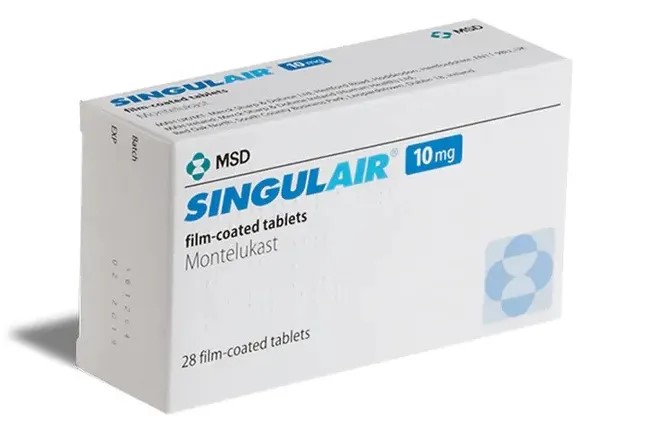
[Drug Safety Communication, March 4, 2020] – FDA is strengthening existing warnings about serious behavior and mood-related changes with montelukast, which is a prescription medicine for asthma and allergy. Because of the risk of mental health side effects, the benefits of montelukast may not outweigh the risks in some patients, particularly when the symptoms of disease may be mild and adequately treated with other medicines. For allergic rhinitis, also known as hay fever, the agency advises restricting the use of montelukast to those who are not treated effectively with or cannot tolerate other allergy medicines. For patients with asthma, it recommends that health care professionals should consider the benefits and risks of mental health side effects before prescribing montelukast.

Patients should stop montelukast and discuss with a health care professional right away if they experience behavior or mood-related changes while taking the medicine. These may include:

  • agitation, including aggressive behavior or hostility
  • attention problems
  • bad or vivid dreams
  • depression
  • disorientation or confusion
  • feeling anxious
  • hallucinations (seeing or hearing things that are not really there)
  • irritability
  • memory problems
  • obsessive-compulsive symptoms
  • restlessness
  • sleepwalking
  • stuttering
  • suicidal thoughts and actions
  • tremor or shakiness
  • trouble sleeping
  • uncontrolled muscle movements

Health care professionals should:

  • Ask patients about any history of psychiatric illness prior to initiating treatment.
  • Consider the risks and benefits of montelukast when deciding to prescribe or continue patients on the medicine.
  • Advise all patients of the risk of neuropsychiatric events when prescribing montelukast.
  • Advise patients to stop taking montelukast and contact a health care professional immediately if changes in behavior or new neuropsychiatric symptoms, suicidal thoughts or behavior occur.
  • Monitor all patients treated with montelukast for neuropsychiatric symptoms. Events have occurred in patients with and without pre-existing psychiatric disease.

Source: FDA Drug Safety Communication, March 4, 2020

Sun Pharma Launches First FDA-Approved Extended-Release Liquid Metformin

Sun Pharma Launches First FDA-Approved Extended-Release Liquid Metformin

[Sun Pharma Press Release, February 26, 2020] – Sun Pharmaceutical Industries Ltd today announced the release of Riomet ER™ in the U.S., a novel liquid formulation of metformin hydrochloride extended-release. It is indicated as an adjunct to diet and exercise to improve glycemic control in adults and pediatric patients 10 years of age and older with type 2 diabetes mellitus.

Riomet ER™ was approved by the U.S. Food and Drug Administration (FDA) on August 29, 2019. It is the first and only liquid formulation of metformin hydrochloride extended-release proven to be bioequivalent to metformin extended-release tablets.

The extended-release liquid formulation allows for once-daily dosing without the need to crush, break, or chew a tablet – an important consideration given that metformin pills should not be crushed, chewed, or cut. The availability of a liquid formulation addresses the needs of patients with type 2 diabetes mellitus, including residents in long-term care facilities, who often have issues swallowing solid medications.

The starting dose is 500 mg (5 mL) orally once daily with the evening meal; the dose can be increased in increments of 500 mg (5 mL) weekly, up to a maximum dose of 2000 mg (20 mL) once daily with the evening meal.

The label for Riomet ER™ carries a boxed warning about the risk of lactic acidosis with excessive alcohol intake, as alcohol increases the effect of Riomet ER™ on lactate metabolism. The label also includes a warning about the risk of vitamin B12 deficiency, as well as a warning about the risk of hypoglycemia with concomitant use with insulin and insulin secretagogues. In placebo-controlled clinical trials of Riomet ER™, the most common adverse reactions (occurring in greater than 5% of participants) were diarrhea, nausea/vomiting, flatulence, asthenia, indigestion, abdominal discomfort, and headache

Source:

Sun Pharma Press Release, February 26, 2020

2019 Novel Coronavirus Free Online Training

2019 Novel Coronavirus Free Online Training

Essential practice updates supported by Pemason Pharmaceuticals Ltd

I enrolled in the OpenWHO course Emerging respiratory viruses, including COVID-19: methods for detection, prevention, response and control: https://openwho.org/courses/introduction-to-ncov.

This course provides a general introduction to COVID-19 and emerging respiratory viruses and is intended for public health professionals, incident managers and personnel working for the United Nations, international organizations and NGOs.

All you need to sign up is a valid email address and you can learn from anywhere in the world, at any time

About OpenWHO

OpenWHO is WHO’s new interactive, web-based, knowledge-transfer platform offering online courses to improve the response to health emergencies. For details visit OpenWHO.org

The Use of Low-dose Aspirin in Preventing Preterm Birth

Low-dose Aspirin in Preventing Preterm Birth

Contributed by: Anuolu Bank-Oni, PharmD, CDE, BCGP

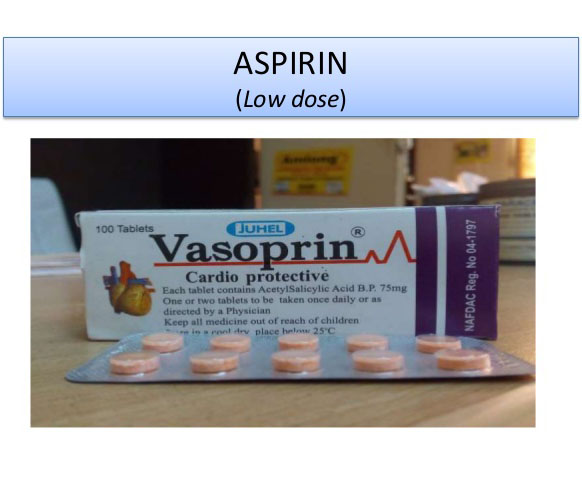
Babies delivered before the 37th week of pregnancy have higher rates of infant mortality. This is especially true for infants born in low- and middle-income countries (LMICs). Prior studies have found that pregnant women who receive low-dose aspirin daily are less likely to deliver their babies prematurely, particularly when the medication is started before the fourth month of pregnancy.

An article recently published in The Lancet reviewed the results of a randomised, double-masked, placebo-controlled trial. The goal of the study was to determine whether 81 mg of aspirin reduces the risk of premature delivery in women with no previous births (i.e. nulliparous). Between March 23, 2016 and April 11, 2019, approximately 12,000 nulliparous pregnant women in six LMICs received daily doses of either 81 mg of aspirin or placebo. Enrolled participants were early in their pregnancy (at least 6 weeks) and received the study medication until either delivery or the ninth month (37th week) of pregnancy.

Low-dose Aspirin Reduced the Risk of Preterm Birth

The results of the study showed that when compared to placebo, low-dose aspirin reduced the rates of preterm delivery (13.1% vs 11.6%; p=0.012), perinatal mortality (53.6% vs 45.7%; p=0.048), and foetal death (between the fourth month of pregnancy and 7 days postpartum: 60.8% vs 52.1%; p=0.039). Both treatment groups had similar rates of low birth-weight and other adverse effects. Some of these adverse effects include bleeding (gastrointestinal and vaginal), haemorrhage (antepartum and postpartum), anaemia, congenital anomaly, and maternal death.

The authors noted that an optimal dose of aspirin for this patient population needs to be determined, as higher doses may provide additional benefits. Also noted is the fact that this is the first large randomised-controlled trial to investigate this theory and the results confirm the findings from previous studies.

In summary, these results suggest that aspirin should be considered as a treatment option to prevent preterm birth in pregnant women.

References:

  1. Hoffman MK, et al. Low-dose aspirin for the prevention of preterm delivery in nulliparous women with a singleton pregnancy (ASPIRIN): a randomised, double-blind, placebo-controlled trial. The Lancet, 395(10220), pp.285-293. doi: 10.1016/S0140-6736(19)32973-3

FDA strengthens warning that untreated constipation caused by clozapine can lead to serious bowel problems

FDA strengthens warning that untreated constipation caused by clozapine can lead to serious bowel problems

[FDA Drug Safety Communication, January 28, 2020] – The U.S. FDA strengthens warning that constipation caused by clozapine can, uncommonly, progress to serious bowel complications. This can lead to hospitalization or even death if constipation is not diagnosed and treated quickly.

Clozapine affects how the intestines function in the majority of patients. It produces effects ranging from constipation, which is a common occurrence, to serious but uncommon bowel problems, including complete blockage of the bowel.

FDA recommends that health care professionals should:

  • Evaluate bowel function before starting a patient on clozapine.
  • Avoid co-prescribing clozapine with other anticholinergic medicines that can cause gastrointestinal hypomotility.
  • Advise patients frequently of the significant risk of constipation and life-threatening bowel issues and the need to stay hydrated to prevent constipation.
  • Question patients about the frequency and quality of their bowel movements throughout treatment.
  • Advise patients to contact a health care professional right away if they have difficulty having a bowel movement or passing stools, do not have a bowel movement at least three times a week or less than their normal frequency, or are unable to pass gas.
  • Monitor patients for symptoms of potential complications associated with gastrointestinal hypomotility such as nausea, abdominal distension or pain, and vomiting.
  • Consider prophylactic laxative treatment when starting clozapine in patients with a history of constipation or bowel obstruction.

Source: FDA Drug Safety Communication, January 28, 2020

FDA BOXED WARNINGS

1. Severe Neutropenia or Agranulocytosis

Clozapine can cause severe neutropenia, which can lead to serious and fatal infections. Its use should be limited to patients:

  • with schizophrenia who are non-responsive to, or intolerant of, classical antipsychotic agents, or with schizophrenia or schizoaffective disorder who are at risk of recurrent suicidal behaviour,
  • who have initially normal leukocyte findings (white blood cell count (WBC) ≥3500/mm³ (3.5 x 10⁹/L), and absolute neutrophil counts (ANC) ≥2000/mm³ (2.0 x 10⁹/L)),
  • and in whom regular white blood cell counts and absolute neutrophil counts can be performed as follows: weekly during the first 18 weeks of therapy, and at least every 4 weeks thereafter throughout treatment. Monitoring must continue throughout treatment and for 4 weeks after complete discontinuation of Clozapine.

Patients must be advised to immediately report symptoms consistent with severe neutropenia or infection (e.g., fever, weakness, lethargy, or sore throat).

2. Increased mortality in elderly patients with dementia-related psychosis

Elderly patients with dementia-related psychosis treated with antipsychotic drugs are at an increased risk of death. Clozapine is not approved for this condition.

3. Orthostatic hypotension, bradycardia, syncope

Clozapine has alpha-blocking activity and can cause orthostatic hypotension, with or without syncope. Rarely, collapse can be profound and may be accompanied by cardiac and/or respiratory arrest. The risk is dose-related and highest during the initial titration period, particularly with rapid dose escalation. These reactions can occur with the first dose, with doses as low as 12.5 mg per day. Initiate treatment at 12.5 mg once or twice daily; titrate slowly; and use divided dosages. Use Clozapine cautiously in patients with cardiovascular or cerebrovascular disease or conditions predisposing to hypotension (e.g., dehydration, use of antihypertensive medications).

4. Seizures

Clozapine may lower seizure threshold. The risk is dose-related. Initiate treatment at 12.5 mg, titrate gradually, and use divided dosing. Use caution when administering Clozapine to patients with a history of seizures or other predisposing risk factors for seizure (CNS pathology, medications that lower the seizure threshold, alcohol abuse). Caution patients about engaging in any activity where sudden loss of consciousness could cause serious risk to themselves or others.

5. Myocarditis, cardiomyopathy and mitral valve incompetence

Fatal myocarditis and cardiomyopathy have occurred with Clozapine treatment. Discontinue Clozapine and obtain cardiac evaluation if findings suggest these cardiac reactions. Tachycardia that persists at rest, accompanied by arrhythmias, shortness of breath or signs and symptoms of heart failure, may rarely occur during the first month of treatment and very rarely thereafter. The occurrence of these signs and symptoms necessitates an urgent diagnostic evaluation for myocarditis, especially during the titration period. Consider the possibility of myocarditis in patients receiving Clozapine who present with unexplained fatigue, dyspnoea, tachypnoea, fever, chest pain, tachycardia, palpitations, other signs and symptoms of heart failure, ECG changes (such as ST-T wave abnormalities) or arrhythmias.

Generally, patients with Clozapine-related myocarditis or cardiomyopathy should not be rechallenged with Clozapine

Source: CLOZARIL® Product Monograph

FDA approves first drug for treatment of peanut allergy for children

FDA approves first drug for treatment of peanut allergy for children

[FDA News Release, January 31, 2020] – The U.S. Food and Drug Administration (FDA) has approved Palforzia [Peanut (Arachis hypogaea) Allergen Powder-dnfp] to mitigate allergic reactions, including anaphylaxis, that may occur with accidental exposure to peanuts. Treatment with Palforzia may be initiated in individuals ages 4 through 17 years with a confirmed diagnosis of peanut allergy and may be continued in individuals 4 years of age and older. Those who take Palforzia must continue to avoid peanuts in their diets.

  • Peanut allergy has no cure, allergic individuals must strictly avoid exposure to prevent severe and potentially life-threatening reactions.
  • Even with strict avoidance, inadvertent exposures can and do occur.
  • Palforzia, in combination with peanut avoidance, provides an FDA-approved treatment option to help reduce the risk of these allergic reactions in children with peanut allergy.
  • Palforzia cannot be used for the emergency treatment of allergic reactions, including anaphylaxis.
  • Initial Dose Escalation, and the first dose of each Up-Dosing level, are administered under supervision of a healthcare professional in a healthcare setting with the ability to manage potentially severe allergic reactions, including anaphylaxis.
  • Palforzia should not be administered to those with uncontrolled asthma.
  • Patients or their parents or caregivers must also be counseled on the need for the patients to have injectable epinephrine available for immediate use at all times, the need for continued dietary peanut avoidance, and how to recognize the signs and symptoms of anaphylaxis
  • The FDA granted approval of Palforzia to Aimmune Therapeutics.

Peanut allergy is a condition in which the body’s immune system mistakenly identifies even small amounts of peanut as harmful. Allergic reactions to peanut are unpredictable in occurrence and in how they present, with some individuals experiencing severe reactions from even trace amounts. Physical symptoms can develop within seconds of exposure and may include skin reactions (e.g., hives, redness or swelling), digestive discomfort, or more dangerous reactions, such as constriction of the throat and airways, and loss of adequate blood flow to vital organs of the body. Antihistamines and epinephrine can be used to treat allergic reactions, but severe reactions can be fatal even with appropriate, prompt treatment. Palforzia cannot be used for the emergency treatment of allergic reactions, including anaphylaxis.

Treatment with Palforzia consists of three phases: Initial Dose Escalation, Up-Dosing, and Maintenance. The Initial Dose Escalation phase is given on a single day. The Up-Dosing phase consists of 11 increasing dose levels and occurs over several months. Initial Dose Escalation, and the first dose of each Up-Dosing level, are administered under supervision of a healthcare professional in a healthcare setting with the ability to manage potentially severe allergic reactions, including anaphylaxis. While anaphylaxis can occur at any time during Palforzia therapy, patients are at highest risk during and after the Initial Dose Escalation and the first dose of each Up-Dosing level. During Up-Dosing, if the patient tolerates the first dose of an increased dose level, the patient may continue that dose level daily at home. After a patient completes all Up-Dosing levels, they may begin the daily maintenance dose. Patients who experience certain allergic reactions due to Palforzia may need to discontinue treatment or have their dosing schedule modified.

Palforzia is a powder that is manufactured from peanuts and packaged in pull-apart color-coded capsules for Dose Escalation and Up-Dosing, and in a sachet for maintenance treatment. The powder is emptied from the capsules or sachet and mixed with a small amount of semisolid food – such as applesauce, yogurt, or pudding – that the patient then consumes.

The effectiveness of Palforzia is supported by a randomized, double-blind, placebo-controlled study conducted in the U.S., Canada and Europe in approximately 500 peanut-allergic individuals. Effectiveness was assessed by evaluating the percentage of study participants tolerating an oral challenge with a single 600 mg dose of peanut protein (twice the daily maintenance dose of Palforzia) with no more than mild allergic symptoms after 6 months of maintenance treatment. The results showed that 67.2% of Palforzia recipients tolerated a 600 mg dose of peanut protein in the challenge, compared to 4.0% of placebo recipients.

The safety of Palforzia was assessed in two double-blind, placebo-controlled studies in approximately 700 peanut-allergic individuals. The most commonly reported side effects of Palforzia were abdominal pain, vomiting, nausea, tingling in the mouth, itching (including in the mouth and ears), cough, runny nose, throat irritation and tightness, hives, wheezing and shortness of breath and anaphylaxis. Palforzia should not be administered to those with uncontrolled asthma.

To mitigate the risk of anaphylaxis associated with Palforzia, the FDA is requiring a Risk Evaluation and Mitigation Strategy (REMS) with this approval, which includes elements to assure safe use. Palforzia will only be available through specially certified healthcare providers, health care settings, and pharmacies to patients who are enrolled in the REMS program. The FDA is requiring that healthcare providers who prescribe Palforzia – and healthcare settings that dispense and administer Palforzia – are educated on the risk of anaphylaxis associated with its use. In addition, the Initial Dose Escalation phase and first dose of each Up-Dosing level must only be administered to patients in a certified healthcare setting equipped to monitor patients and to identify and manage anaphylaxis. Patients or their parents or caregivers must also be counseled on the need for the patients to have injectable epinephrine available for immediate use at all times, the need for continued dietary peanut avoidance, and how to recognize the signs and symptoms of anaphylaxis.

Source: FDA News Release, January 31, 2020

NAFDAC warns that the use of Paracetamol Tablets to soften meat used in food preparation can cause liver damage and kidney failure

NAFDAC Nigeria: Latest Drug Product Recalls & Safety Alerts

[NAFDAC Public Alert No: 0023/2019, December 29, 2019] – Alert on Dangerous and Unapproved Use of Paracetamol Tablets in Food Preparation.

The National Agency for Food and Drug Administration and Control (NAFDAC) hereby alerts the public on the dangerous and unapproved use of Paracetamol Tablets to soften meat used in food preparation.

The members of the public, especially restaurant operators are cautioned to desist from the dangerous and unapproved use of Paracetamol Tablets to soften meat used in food preparation, as such illegal practice makes food to be toxic, unwholesome and unfit for human consumption. When used to cook, paracetamol is broken down (or hydrolyzed) into a toxic substance. This substance ultimately damages the liver and some other organs in the body.

Thus, the consumption of toxic and unwholesome food illegally prepared using Paracetamol Tablets may result in serious health consequences, including liver damage, kidney failure and untimely death.

NAFDAC recommends the following safer alternative methods for tenderizing meat:

  • Use genuine NAFDAC registered Table Salt (in moderation) by soaking meat in salted water for about 30 minutes prior to cooking.
  • Cooking with a pressure cooker.
  • Marinating (soaking) with vinegar, citrus juices or wine before cooking.
  • Marinating with enzymes e.g., Pineapple, kiwi, ginger, Asian pear and pawpaw which contain enzymes that can help soften meat.
  • Slow cooking the meat, or
  • Using commercial meat tenderizers (in moderation), available in powder or liquid form.

Genuine Paracetamol Tablets registered by NAFDAC are used to relieve mild pain and if the pain persists, the patient should consult a healthcare professional for expert advice.

NAFDAC is increasing surveillance on restaurant operators nationwide and is urging members of the public to contact the nearest NAFDAC Office with any information on dangerous and illegal use of Paracetamol Tablets in food preparation.

Anybody or organization discovered to be involved in the dangerous and illegal use of Paracetamol Tablets in food preparation will be severely sanctioned.

Consumers are advised to report adverse events related to dangerous and illegal use of Paracetamol Tablets in food preparation to the nearest NAFDAC office, 0800-1-NAFDAC (0800-1-623322) TOLL FREE from all networks or via pharmacovigilance@nafdac.gov.ng

Source:

NAFDAC Public Alert No: 0023/2019, December 29, 2019

FDA warns about serious respiratory problems with gabapentinoids – gabapentin and pregabalin

FDA warns about serious respiratory problems with gabapentinoids – gabapentin and pregabalin

When used with CNS depressants or in patients with lung problems

[FDA Drug Safety Communication, December 19, 2019] – The U.S. Food and Drug Administration (FDA) is warning that serious, life-threatening, and fatal respiratory depression has been reported with the gabapentinoids, gabapentin and pregabalin. Most cases occurred in association with co-administered central nervous system (CNS) depressants, especially opioids, in the setting of underlying respiratory impairment, or in the elderly.

Gabapentin and pregabalin are FDA-approved for a variety of conditions, including seizures, nerve pain, and restless legs syndrome.

Our evaluation of respiratory depression with the gabapentinoids provides some evidence contrary to the widely held belief that gabapentinoids lack drug interactions and have wide therapeutic indices. Published studies demonstrate these drugs can behave in an additive way to potentiate central nervous system (CNS) and respiratory depression. CNS depressants include opioids, anti-anxiety medicines, antidepressants, and antihistamines. There is less evidence supporting the risk of serious breathing difficulties in healthy individuals taking gabapentinoids alone.

What should patients and caregivers do?

Patients and caregivers should seek medical attention immediately if you or someone you are caring for experiences symptoms of respiratory problems, because these can be life-threatening. Symptoms to watch for include:

  • Confusion or disorientation
  • Unusual dizziness or lightheadedness
  • Extreme sleepiness or lethargy
  • Slowed, shallow, or difficult breathing
  • Unresponsiveness, which means a person doesn’t answer or react normally or you can’t wake them up
  • Bluish-colored or tinted skin, especially on the lips, fingers, and toes

Always inform your health care professional about all the drugs you are taking, including prescription and over-the-counter (OTC) medicines and other substances such as alcohol.

What should health care professionals do?

When co-prescribing gabapentinoids with another CNS depressant, particularly an opioid, or in patients with underlying respiratory impairment, initiate the gabapentinoid at the lowest dose.

Adjust the dose of both gabapentin and pregabalin in patients with renal impairment and patients undergoing hemodialysis, because both drugs are excreted by the kidneys.

Monitor for symptoms of respiratory depression and sedation, especially when co-prescribing gabapentinoids with an opioid or other CNS depressant such as a benzodiazepine or when prescribing to patients with underlying respiratory impairment, or elderly patients.

The management of respiratory depression may include close observation, supportive measures, and reduction or withdrawal of CNS depressants, including the gabapentinoid. Gabapentinoids used for analgesia or seizure control should be tapered prior to discontinuation. See the prescribing information for specific tapering guidance.

The gabapentinoid prescribing information already includes guidance for health care professionals to caution patients about dizziness, somnolence, and the potential for impaired ability to operate a car or complex machinery.

Source:

FDA Drug Safety Communication, December 19, 2019

Monthly birth control pill could replace daily doses

Monthly birth control pill could replace daily doses

The long-lasting capsule can remain in the stomach and release contraceptive drugs over several weeks.

December 4, 2019. By Anne Trafton | MIT News Office

Oral contraceptives are one of the most popular forms of birth control: In the United States, about 12 percent of women between 15 and 49 use them. However, their effectiveness depends on being taken every day, and it is estimated that about 9 percent of women taking birth control pills become pregnant each year.

MIT researchers are now developing an oral contraceptive that only has to be taken once a month, which could reduce unintended pregnancies that result from forgetting to take a daily dose. This kind of monthly contraceptive could have a significant impact on the health of women and their families, especially in the developing world, the researchers say.

“We are hopeful that this work — the first example ever of a month-long pill or capsule to our knowledge — will someday lead to potentially new modalities and options for women’s health as well as other indications,” says Robert Langer, the David H. Koch Institute Professor at MIT.

The new contraceptive is contained within a gelatin-coated capsule and can carry three weeks’ worth of a contraceptive drug. This capsule remains in the stomach after being swallowed and gradually releases the drug. Tests in pigs showed that this kind of drug release can achieve the same concentration of the drug in the bloodstream as taking a daily dose.

Langer and Giovanni Traverso, an assistant professor of mechanical engineering at MIT and a gastroenterologist at Brigham and Women’s Hospital, are the senior authors of the study, which appears today in Science Translational Medicine. Ameya Kirtane, a senior postdoc at MIT’s Koch Institute for Integrative Cancer Research, and Tiffany Hua, a former technical associate at MIT, are the lead authors of the paper.

Long-term delivery

The new contraceptive pill is based on star-shaped drug delivery systems that the MIT team previously developed, which can remain in the digestive tract for days or weeks after being swallowed. The delivery systems are placed in gelatin capsules that dissolve once they reach the stomach, allowing the folded arms of the star to expand and slowly release their payload.

After being swallowed, the capsule unfolds and slowly releases its drug payload in the stomach. After a few weeks, it breaks down and moves through the digestive tract.
Credits: Lyndra Therapeutics

In their earlier studies, the researchers loaded the capsules with drugs to treat malaria, as well as HIV drugs, which currently have to be taken every day. Much of this work has been funded by the Bill and Melinda Gates Foundation, which urged the team to adapt the capsule to deliver long-lasting contraceptive drugs. Previous research has suggested that people are better at remembering to take medicine when they have to take it only weekly or monthly, instead of daily.

To make their new contraceptive pill last for three to four weeks, the researchers had to incorporate stronger materials than those used in the earlier versions, which could survive in the harsh environment of the stomach for up to two weeks. The researchers tested materials by soaking them in simulated gastric fluid, which is very acidic, and found that two types of polyurethane worked best for the arms and the central core of the star.

The researchers loaded the contraceptive drug levonorgestrel into the arms of the device and found that by changing the concentrations of the polymers that they mix with the drug, they can control the rate at which it is released. Once the capsule reaches the stomach it expands and becomes lodged in place.

In a study of pigs, the researchers found that the capsules could release the drug at a fairly constant rate for up to four weeks. The concentration of the drug found in the pigs’ bloodstream was similar to the amount that would be present after ingesting daily levonorgestrel tablets. However, the capsules maintained these drug levels for nearly a month, while the tablets last for only a day.

For use in humans, the capsule would be designed to break down after three or four weeks and exit the body through the digestive tract. The researchers are working on several possible ways to trigger the arms to break off, including through changes in pH, changes in temperature, or exposure to certain chemicals.

“Lack of access to contraceptives is a global health issue that contributes to unnecessary maternal and newborn deaths every year,” says Kimberly Scarsi, an associate professor of pharmacy practice and science at the University of Nebraska Medical Center, who was not involved in the research. “A once-monthly oral contraceptive would provide a discreet, noninvasive birth control option that could significantly improve medication adherence to give women more control over their health and family planning decisions.”

Health impact

Lyndra Therapeutics, a company founded by Langer, Traverso, and others, recently received a $13 million grant from the Gates Foundation to further develop the monthly contraceptive pill so that it can be tested in humans.

“Through the development of these technologies, we aim to transform people’s experience with taking medications by making it easier, with more infrequent dosing in the first once-a-month, orally delivered drug system. We’re very committed to getting these technologies to people over the coming years,” says Traverso, who said he anticipates human tests may be possible within three to five years.

Improved contraception not only has health benefits, but also makes it easier for women to go to school and financially support themselves and their families. However, according to the World Health Organization, 214 million women of reproductive age in developing countries who want to avoid pregnancy are not using a modern contraceptive method, such as birth control pills.

“Coming up with a monthly version of a contraceptive drug could have a tremendous impact on global health,” Kirtane says. “The impact that oral contraceptives can have on human health and gender equality cannot be overstated.”

The researchers also believe that such a pill could be appealing for women who would prefer a long-lasting oral contraceptive over other long-term contraceptives such as intrauterine devices.

“Even with all these long-acting devices available, there’s a certain population who prefers to take medications orally rather than have something implanted,” Kirtane says. “For those patients, something like this would be extremely helpful.”

The research was funded by the Bill and Melinda Gates Foundation. Other MIT authors of the study are Alison Hayward, Aniket Wahane, Aaron Lopes, Taylor Bensel, Sierra Brooks, Declan Gwynne, Jacob Wainer, Joy Collins, and Siid Tamang. Ambika Bajpayee of Northeastern University and Frank Stanczyk and Lihong Ma of the University of Southern California are also authors of the paper.

Source:

MIT News, December 4, 2019