When used with CNS depressants or in patients with lung problems
[FDA Drug Safety Communication, December 19, 2019] – The
U.S. Food and Drug Administration (FDA) is warning that serious,
life-threatening, and fatal respiratory depression has been reported with the
gabapentinoids, gabapentin and pregabalin. Most cases occurred in association
with co-administered central nervous system (CNS) depressants, especially
opioids, in the setting of underlying respiratory impairment, or in the elderly.
Gabapentin and pregabalin are FDA-approved for a variety of
conditions, including seizures, nerve pain, and restless legs syndrome.
Our evaluation of respiratory depression with the
gabapentinoids provides some evidence contrary to the widely held belief that
gabapentinoids lack drug interactions and have wide therapeutic indices.
Published studies demonstrate these drugs can behave in an additive way to
potentiate central nervous system (CNS) and respiratory depression. CNS
depressants include opioids, anti-anxiety medicines, antidepressants, and
antihistamines. There is less evidence supporting the risk of serious breathing
difficulties in healthy individuals taking gabapentinoids alone.
What should patients and caregivers do?
Patients and caregivers should seek medical attention
immediately if you or someone you are caring for experiences symptoms of
respiratory problems, because these can be life-threatening. Symptoms to watch
for include:
Confusion or disorientation
Unusual dizziness or lightheadedness
Extreme sleepiness or lethargy
Slowed, shallow, or difficult breathing
Unresponsiveness, which means a person doesn’t
answer or react normally or you can’t wake them up
Bluish-colored or tinted skin, especially on the
lips, fingers, and toes
Always inform your health care professional about all the
drugs you are taking, including prescription and over-the-counter (OTC)
medicines and other substances such as alcohol.
What should health care professionals do?
When co-prescribing gabapentinoids with another CNS
depressant, particularly an opioid, or in patients with underlying respiratory
impairment, initiate the gabapentinoid at the lowest dose.
Adjust the dose of both gabapentin and pregabalin in
patients with renal impairment and patients undergoing hemodialysis, because
both drugs are excreted by the kidneys.
Monitor for symptoms of respiratory depression and sedation,
especially when co-prescribing gabapentinoids with an opioid or other CNS
depressant such as a benzodiazepine or when prescribing to patients with
underlying respiratory impairment, or elderly patients.
The management of respiratory depression may include close
observation, supportive measures, and reduction or withdrawal of CNS
depressants, including the gabapentinoid. Gabapentinoids used for analgesia or
seizure control should be tapered prior to discontinuation. See the prescribing
information for specific tapering guidance.
The gabapentinoid prescribing information already includes
guidance for health care professionals to caution patients about dizziness,
somnolence, and the potential for impaired ability to operate a car or complex
machinery.
The long-lasting capsule can remain in the stomach and release contraceptive drugs over several weeks.
December 4, 2019. By Anne Trafton | MIT News Office
Oral contraceptives are one of the most popular forms of
birth control: In the United States, about 12 percent of women between 15 and
49 use them. However, their effectiveness depends on being taken every day, and
it is estimated that about 9 percent of women taking birth control pills become
pregnant each year.
MIT researchers are now developing an oral contraceptive
that only has to be taken once a month, which could reduce unintended
pregnancies that result from forgetting to take a daily dose. This kind of
monthly contraceptive could have a significant impact on the health of women
and their families, especially in the developing world, the researchers say.
“We are hopeful that this work — the first example ever of a month-long pill or capsule to our knowledge — will someday lead to potentially new modalities and options for women’s health as well as other indications,” says Robert Langer, the David H. Koch Institute Professor at MIT.
The new contraceptive is contained within a gelatin-coated
capsule and can carry three weeks’ worth of a contraceptive drug. This capsule
remains in the stomach after being swallowed and gradually releases the drug.
Tests in pigs showed that this kind of drug release can achieve the same
concentration of the drug in the bloodstream as taking a daily dose.
Langer and Giovanni Traverso, an assistant professor of
mechanical engineering at MIT and a gastroenterologist at Brigham and Women’s
Hospital, are the senior authors of the study, which appears today in Science
Translational Medicine. Ameya Kirtane, a senior postdoc at MIT’s Koch Institute
for Integrative Cancer Research, and Tiffany Hua, a former technical associate
at MIT, are the lead authors of the paper.
Long-term delivery
The new contraceptive pill is based on star-shaped drug
delivery systems that the MIT team previously developed, which can remain in
the digestive tract for days or weeks after being swallowed. The delivery
systems are placed in gelatin capsules that dissolve once they reach the
stomach, allowing the folded arms of the star to expand and slowly release
their payload.
After being swallowed, the capsule unfolds and slowly releases its drug payload in the stomach. After a few weeks, it breaks down and moves through the digestive tract. Credits: Lyndra Therapeutics
In their earlier studies, the researchers loaded the
capsules with drugs to treat malaria, as well as HIV drugs, which currently
have to be taken every day. Much of this work has been funded by the Bill and
Melinda Gates Foundation, which urged the team to adapt the capsule to deliver
long-lasting contraceptive drugs. Previous research has suggested that people
are better at remembering to take medicine when they have to take it only
weekly or monthly, instead of daily.
To make their new contraceptive pill last for three to four
weeks, the researchers had to incorporate stronger materials than those used in
the earlier versions, which could survive in the harsh environment of the
stomach for up to two weeks. The researchers tested materials by soaking them
in simulated gastric fluid, which is very acidic, and found that two types of
polyurethane worked best for the arms and the central core of the star.
The researchers loaded the contraceptive drug levonorgestrel
into the arms of the device and found that by changing the concentrations of
the polymers that they mix with the drug, they can control the rate at which it
is released. Once the capsule reaches the stomach it expands and becomes lodged
in place.
In a study of pigs, the researchers found that the capsules
could release the drug at a fairly constant rate for up to four weeks. The
concentration of the drug found in the pigs’ bloodstream was similar to the
amount that would be present after ingesting daily levonorgestrel tablets.
However, the capsules maintained these drug levels for nearly a month, while
the tablets last for only a day.
For use in humans, the capsule would be designed to break
down after three or four weeks and exit the body through the digestive tract.
The researchers are working on several possible ways to trigger the arms to
break off, including through changes in pH, changes in temperature, or exposure
to certain chemicals.
“Lack of access to contraceptives is a global health issue that contributes to unnecessary maternal and newborn deaths every year,” says Kimberly Scarsi, an associate professor of pharmacy practice and science at the University of Nebraska Medical Center, who was not involved in the research. “A once-monthly oral contraceptive would provide a discreet, noninvasive birth control option that could significantly improve medication adherence to give women more control over their health and family planning decisions.”
Health impact
Lyndra Therapeutics, a company founded by Langer, Traverso,
and others, recently received a $13 million grant from the Gates Foundation to
further develop the monthly contraceptive pill so that it can be tested in
humans.
“Through the development of these technologies, we aim to transform people’s experience with taking medications by making it easier, with more infrequent dosing in the first once-a-month, orally delivered drug system. We’re very committed to getting these technologies to people over the coming years,” says Traverso, who said he anticipates human tests may be possible within three to five years.
Improved contraception not only has health benefits, but
also makes it easier for women to go to school and financially support
themselves and their families. However, according to the World Health
Organization, 214 million women of reproductive age in developing countries who
want to avoid pregnancy are not using a modern contraceptive method, such as
birth control pills.
“Coming up with a monthly version of a contraceptive drug could have a tremendous impact on global health,” Kirtane says. “The impact that oral contraceptives can have on human health and gender equality cannot be overstated.”
The researchers also believe that such a pill could be
appealing for women who would prefer a long-lasting oral contraceptive over
other long-term contraceptives such as intrauterine devices.
“Even with all these long-acting devices available, there’s a certain population who prefers to take medications orally rather than have something implanted,” Kirtane says. “For those patients, something like this would be extremely helpful.”
The research was funded by the Bill and Melinda Gates
Foundation. Other MIT authors of the study are Alison Hayward, Aniket Wahane,
Aaron Lopes, Taylor Bensel, Sierra Brooks, Declan Gwynne, Jacob Wainer, Joy
Collins, and Siid Tamang. Ambika Bajpayee of Northeastern University and Frank
Stanczyk and Lihong Ma of the University of Southern California are also
authors of the paper.
The National Agency for Food and Drug Administration and
Control (NAFDAC) has issued public alerts and safety communication affecting
the following drug products in the months of November and December 2019.
[NAFDAC Public Alert No: 0022/2019, December 4, 2019] – Alert on Recall of Glosunate® Plus 50 (Artesunate 50mg and Amodiaquine 153mg) Tablets Batch Number GK18010
Reason for the recall: Unsatisfactory report of
laboratory analysis. Failed assay, dissolution and related substances tests.
Company Name: Uche St. Company Limited
Manufacturer: Globela Pharma Pvt, Gujarat, India
NAFDAC has taken action to prevent or stop the distribution
and sale of Glosunate Plus 50 tablets Batch Number GK18010 in Nigeria. The
Agency has also directed all distributors, wholesalers and retailers to submit
Glosunate Plus 50 tablets Batch Number GK18010 in their possession to the
nearest NAFDAC office.
[NAFDAC Public Alert No: 0021/2019, December 4, 2019] – Alert on Recall of Solartep® (Dihydroartemisinin 40mg/Piperaquine Phosphate 320mg) Tablets Batch Number F17S0826
Reason for the recall: Unsatisfactory report of
laboratory analysis. Failed assay and dissolutions tests.
Company Name: Solutions Pharmaceutical Nigeria
Limited
Manufacturer: Mingshen Pharmaceutical Factory, China
NAFDAC has taken action to prevent or stop the distribution
and sale of Solartep tablets Batch number F17S0826. The Agency has also directed
all distributors, wholesalers and retailers are to submit Solartep tablets
Batch number F17S0826 in their possession to the nearest NAFDAC office.
[NAFDAC Public Alert No: 0019/2019, November 3, 2019] – Alert on Voluntary Recall of Xalatan® (Latanoprost 0.005%) Eye Drops Lot Numbers W67369 and AK4753
Reason for the recall: Voluntary recall due to detection
of confirmed falsified Xalatan® 0.005% w/v Eye Drops 2.5 ml solution with
authentic Pfizer Specialties Limited Lot Numbers W67369 and AK4753. The
falsified Xalatan® 0.005% w/v Eye Drops 2.5 ml solution was detected following
a market survey conducted by Pfizer Global Security on selected Pfizer products
exposed to counterfeiting in the Nigerian market.
NAFDAC has taken steps to prevent the distribution and sale
of the falsified Xalatan® 0.005% w/v Eye Drops in Nigeria. The Agency has also
directed distributors and wholesalers in possession of Xalatan* (Latanoprost
0.005%) Eye Drops Lot Numbers W67369 and AK4753 to immediately stop their
distribution and sale.
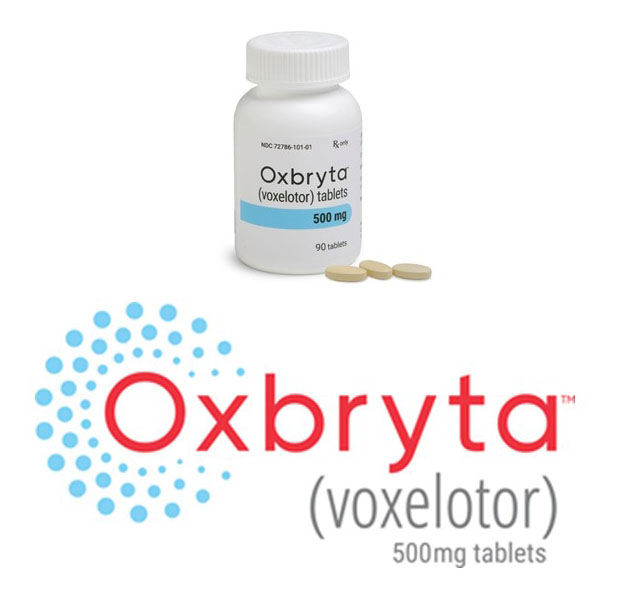
[FDA News Release, November 25, 2019] – The U.S. Food and
Drug Administration (FDA) has granted accelerated approval for Oxbryta™ (voxelotor)
tablets for the treatment of sickle cell disease (SCD) in adults and children
12 years of age and older. Oxbryta, an oral therapy taken once daily, is the
first approved treatment that directly inhibits sickle hemoglobin
polymerization, the root cause of SCD.
Global Blood Therapeutics, Inc. (GBT), makers of Oxbryta™, today
announced that the medicine is expected to be available through its specialty
pharmacy partner network within two weeks.
“Today is a major milestone not only for GBT but, most
importantly, for people living with SCD, their families and those who care for
them. When we started our journey with the SCD community more than eight years
ago, we set out to transform the way this devastating, lifelong disease is
treated,” said Ted W. Love, M.D., president and chief executive officer of GBT.
“We are proud to bring this breakthrough therapy to the SCD community. Uniquely
developed from inception to treat SCD, Oxbryta embodies GBT’s commitment to
develop and deliver innovative medicines for patients with overlooked,
life-limiting chronic diseases. We are grateful to the patients, caregivers,
clinical trial investigators, healthcare providers and advocates who have
worked alongside us to develop this first-in-class therapy.”
SCD affects an estimated 100,000 people in the United States
and millions of people throughout the world, particularly among those whose
ancestors are from sub-Saharan Africa. It also affects people of Hispanic, South
Asian, Southern European and Middle Eastern ancestry. SCD is a lifelong
inherited blood disorder that impacts hemoglobin, a protein carried by red
blood cells that delivers oxygen to tissues and organs throughout the body. Due
to a genetic mutation, people with SCD form abnormal hemoglobin known as sickle
hemoglobin. Through a process called hemoglobin polymerization, red blood cells
become sickled – deoxygenated, crescent-shaped and rigid. The sickling process
causes hemolytic anemia (low hemoglobin due to red blood cell destruction) and
blockages in capillaries and small blood vessels, which impede the flow of
blood and oxygen throughout the body. The diminished oxygen delivery to tissues
and organs can lead to life-threatening complications, including stroke and
irreversible organ damage.
The accelerated approval of Oxbryta is based on clinically
meaningful and statistically significant improvements in hemoglobin levels,
accompanied by reductions in red blood cell destruction (hemolysis). Data from
the Phase 3 HOPE (Hemoglobin Oxygen Affinity Modulation to Inhibit HbS
PolymErization) Study of 274 patients 12 years of age and older with SCD showed
that, after 24 weeks of treatment, 51.1% of patients receiving Oxbryta achieved
a greater than 1 g/dL increase in hemoglobin compared with 6.5% receiving
placebo (p<0.001). Results from the HOPE Study were published in June 2019
in The New England Journal of Medicine.
The most common adverse reactions occurring in ≥10% of
patients treated with Oxbryta with a difference of >3% compared to placebo
were headache (26% vs. 22%), diarrhea (20% vs. 10%), abdominal pain (19% vs.
13%), nausea (17% vs. 10%), fatigue (14% vs. 10%), rash (14% vs. 10%) and
pyrexia (12% vs. 7%).
“SCD is a devastating, lifelong, inherited blood disorder
that greatly impacts a person’s life, including their ability to work, attend
school and look after their families, and it can reduce their overall life
expectancy,” said Beverley Francis-Gibson, president and CEO of the Sickle Cell
Disease Association of America. “After decades of waiting, we now have a
treatment option that could change the course of this disease. We look forward
to continuing to collaborate with GBT on initiatives aimed at transforming the
care of patients living with SCD and ensuring access to important and
innovative new medicines.”
GBT is committed to ensuring that people with SCD who are
prescribed Oxbryta have help accessing the medicine. The company has
established GBT Source™, a comprehensive program for patients who are
prescribed Oxbryta that provides a wide range of practical, educational and
financial support customized to each patient’s needs. More information is
available at www.Oxbryta.com
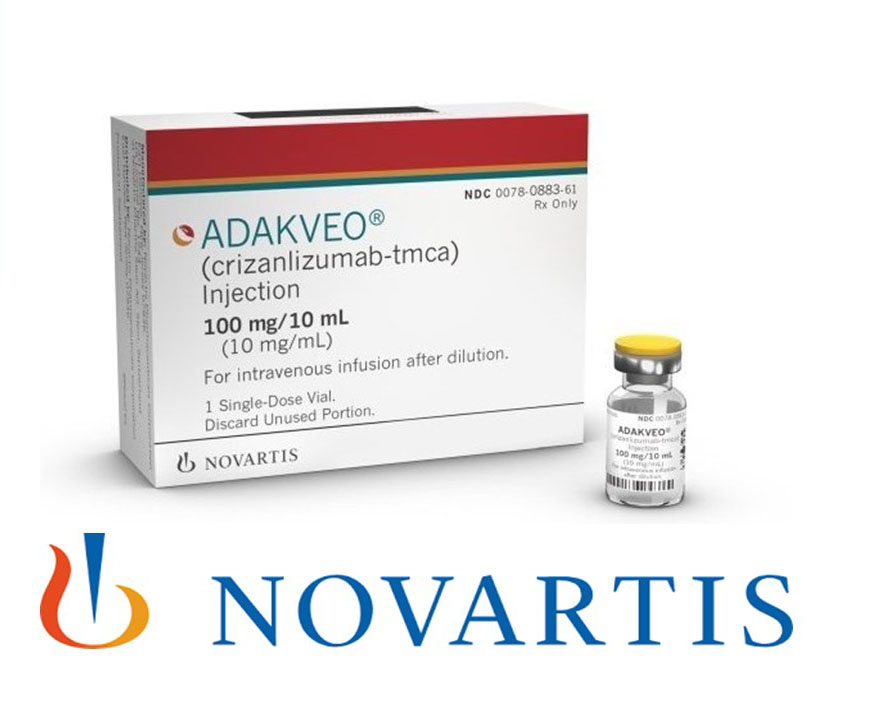
[FDA News Release, November 15, 2019] – FDA has approved Adakveo
(crizanlizumab), previously known as SEG101, to reduce the frequency of
vaso-occlusive crises (VOCs), or pain crises, in adult and pediatric patients
aged 16 years and older with sickle cell disease.
“Adakveo is the first targeted therapy approved for sickle
cell disease, specifically inhibiting selectin, a substance that contributes to
cells sticking together and leads to vaso-occlusive crisis,” said Richard
Pazdur, M.D., director of the FDA’s Oncology Center of Excellence and acting
director of the Office of Oncologic Diseases in the FDA’s Center for Drug
Evaluation and Research. “Vaso-occlusive crisis can be extremely painful and is
a frequent reason for emergency department visits and hospitalization for
patients with sickle cell disease.”
Sickle cell disease is an inherited blood disorder in which
the red blood cells are abnormally shaped (in a crescent or “sickle”
shape), which restricts the flow in blood vessels and limits oxygen delivery to
the body’s tissues, leading to severe pain and organ damage. It is also
characterized by severe chronic inflammation that results in vaso-occlusive
crisis where patients experience episodes of extreme pain and organ damage. The
disease occurs most often in African-Americans, where 1 out of every 365 babies
born have the disease.
The FDA’s decision to approve Adakveo 5 mg/kg is based on
results of the 52-week, randomized, placebo-controlled SUSTAIN trial, which
showed that Adakveo significantly lowered the median annual rate of VOCs to
1.63 vs 2.98 compared to placebo (P=.010), which is equivalent to a 45%
reduction. Reductions in the frequency of VOCs were observed among patients
regardless of sickle cell disease genotype and/or hydroxyurea use.
“We know this drug can decrease the frequency of sickle cell
pain crises in a significant and clinically meaningful way,” said Kenneth
Ataga, MD, Director, Center for Sickle Cell Disease, University of Tennessee
Health Science Center at Memphis, and Principal Investigator of the SUSTAIN
trial. “The approval of crizanlizumab is an important advancement for people
living with this very difficult condition.”
The most common adverse reactions among
crizanlizumab-treated patients (incidence > 10%) were nausea (18%),
arthralgia (18%), back pain (15%) and pyrexia (11%).
Novartis has priced Adakveo, which is dosed by weight, at a
wholesale acquisition cost (WAC) of $2,357 per vial. Based on dosing
recommendation, most patients would take between 3 and 4 vials per month. This translates
to WACs of $7,000 to $9,500 per month. The medicine is expected to be available
to patients in the coming weeks.
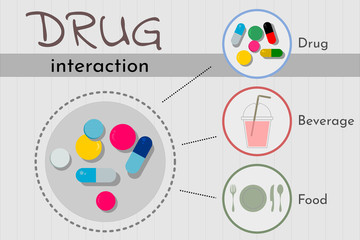
A tool to evaluate potential drug interaction causation in a specific patient.
The assessment of causation for a potential drug interaction requires thoughtful consideration of the properties of both the object and precipitant drugs, patient-specific factors, and the possible contribution of other drugs that the patient may be taking.
The Drug Interaction Probability Scale (DIPS) was developed to provide a guide to evaluating drug interaction causation in a specific patient. It is intended to be used to assist practitioners in the assessment of drug interaction–induced adverse outcomes.
The DIPS uses a series of questions relating to the potential drug interaction to estimate a probability score. An accurate assessment using the DIPS requires knowledge of the pharmacologic properties of both the object and precipitant drugs. Inadequate knowledge of either the drugs involved or the basic mechanisms of interaction will be a limitation for some users.
DIPS questionnaire is intended to be used to evaluate adverse events resulting from the interaction of 2 drugs—the drug that is affected (object drug) and the drug that causes the change to the object drug (precipitant drug).
DIPS Online Calculator
The Drug Interaction Probability Scale (DIPS) online calculator for potential drug-drug interactions is available at pmidCALC.org
DIPS Questionnaire
Horn, Hansten and Chan developed the Drug Interaction Probability Scale based on Naranjo ADR Probability Scale.
This tool consists of 10 questions each with three response options to which a score is given. The final score translates into a qualitative scale expressing the probability of the reaction actually being a drug interaction. The score obtained is not absolute, neither can it be extrapolated to other similar cases, but is relevant for determining how likely each individual case of ADR is to have originated from an interaction.
Directions:
Circle the appropriate answer for each question and sum the score.
Use the Unknown or Not Applicable (NA) category if
you do not have the information, or
the question is not applicable.
Note:
Object drug = Drug affected by the interaction
Precipitant drug = Drug that causes the interaction
Question 1: Are there previous credible reports of this interaction in humans? Yes +1, No –1, Unknown or NA 0
Question 2: Is the observed interaction consistent with the known interactive properties of precipitant drug? Yes +1, No –1, Unknown or NA 0
Question 3: Is the observed interaction consistent with the known interactive properties of object drug? Yes +1, No –1, Unknown or NA 0
Question 4: Is the event consistent with the known or reasonable time course of the interaction (onset and/or offset)? Yes +1, No –1, Unknown or NA 0
Question 5: Did the interaction remit upon dechallenge of the precipitant drug with no change in the object drug? (If no dechallenge, use Unknown or NA and skip Question 6). Yes +1, No –2, Unknown or NA 0
Question 6: Did the interaction reappear when the precipitant drug was readministered with continued use of the object drug? Yes +2, No –1, Unknown or NA 0
Question 7: Are there reasonable alternative causes for the event?αYes –1, No +1, Unknown or NA 0
Question 8: Was the object drug detected in the blood or other fluids in concentrations consistent with the proposed interaction? Yes +1, No 0, Unknown or NA 0
Question 9: Was the drug interaction confirmed by any objective evidence consistent with the effects on the object drug (other than drug concentrations from question 8)? Yes +1, No 0, Unknown or NA 0
Question 10: Was the interaction greater when the precipitant drug dose was increased or less when the precipitant drug dose was decreased? Yes +1, No –1, Unknown or NA 0
α Consider clinical conditions, other interacting drugs, lack of compliance, risk factors (e.g., age, inappropriate doses of object drug). A “No” answer presumes that enough information was presented so that one would expect any alternative causes to be mentioned. When in doubt, use Unknown or NA designation.
Total Score:
Highly Probable >8
Probable 5-8
Possible 2-4
Doubtful <2
Source:
Horn JR, Hansten PD, Chan LN. Proposal for a new tool to evaluate drug interaction cases. Ann Pharmacother. 2007;41(4):674-80
[NIH News Releases, October 30, 2019] – Exposure to
paracetamol in the womb may increase a child’s risk for attention
deficit/hyperactivity disorder and autism spectrum disorder, suggests a study
funded by U.S. National Institutes of Health and the Agency for Health Care
Research and Quality. The study was conducted by Xiaobing Wang, M.D., of the
Johns Hopkins University Bloomberg School of Public Health, Baltimore, and
colleagues. The findings are published in JAMA
Psychiatry.
Attention deficit/hyperactivity disorder (ADHD) is marked by
a pattern of hyperactivity and impulsive behavior. Autism spectrum disorder
(ASD) is a complex developmental disorder that affects how a person behaves,
interacts with others and learns.
Researchers analyzed data from the Boston Birth Cohort, a
long-term study of factors influencing pregnancy and child development. They
found that cord plasma biomarkers of fetal exposure to paracetamol were
associated with significantly increased risk of childhood ADHD and ASD.
The authors conclude that their results support earlier
studies linking paracetamol exposure in the womb with ADHD and ASD and
underscore the need for additional research.
The U.S. FDA has reviewed earlier studies that reported on the
potential risks associated with the following 3 types of pain medicines used
during pregnancy:
Prescription NSAIDs and the risk of miscarriage
in the first half of pregnancy. Examples of prescription NSAIDs include
ibuprofen, naproxen, diclofenac, and celecoxib.
Opioids, which are available only by
prescription, and the risk of birth defects of the brain, spine, or spinal cord
in babies born to women who took these products during the first trimester of
pregnancy. Examples of opioids include oxycodone, hydrocodone, hydromorphone,
morphine, and codeine.
Paracetamol in both OTC and prescription
products and the risk of attention deficit hyperactivity disorder (ADHD) in
children born to women who took this medicine at any time during pregnancy. Paracetamol
is a common pain reducer and fever reducer found in hundreds of medicines
including those used for colds, flu, allergies, and sleep.
FDA determined that recommendations cannot be made based on
these earlier published studies due to their limitations. The Agency urges
careful consideration before using any pain-relieving medication during
pregnancy.
[NAFDAC Public Alert, October 5, 2019] – The National Agency for Food and Drug Administration and Control (NAFDAC) has directed distributors, wholesalers and retail pharmacies in possession of stock of ranitidine containing products to immediately stop distribution and sale of the products. This follows findings of low levels of N-Nitrosodimethylamine (N-NDMA), a genotoxic impurity, in Zantac injection (50 mg/5 mL Batch No. 669) by Swissmedic, the National Medicines Regulatory Authority of Switzerland.
Genotoxic substances such as N-NDMA are known to be potentially carcinogenic when ingested, inhaled or penetrate the skin. The US FDA and other National Medicines Regulatory Authorities have taken similar steps in recalling and suspending further sale and distribution of ranitidine containing products.
The Marketing Authorization Holder (MAH) of Zantac in Nigeria, Glaxo SmithKline (GSK) has confirmed to the Agency that Zantac is no longer imported into Nigeria. The last batch of Zantac that was imported into Nigeria expired in November 2018.
NAFDAC implores all Pharmaceutical importers to stop importation of all ranitidine containing products until further notice.
NAFDAC has strengthened surveillance at ports of entry to prevent importation of ranitidine containing products until further notice.
Patients on ranitidine containing products are to contact their Healthcare Provider to advise them on alternative treatment.
Healthcare professionals and patients are advised to be vigilant and report any information on importation and distribution of ranitidine containing products to the nearest NAFDAC office, NAFDAC PRASCOR (20543 TOLL FREE from all networks) or via pharmacovigilance@nafdac.gov.ng
Excerpts from Nigeria’s National Guidelines for Diagnosis and Treatment of Malaria (FMOH, 2015) & WHO Guidelines for the Treatment of Malaria 2015
DIAGNOSIS
Prompt parasitological diagnosis by microscopy or rapid diagnostic tests (RDTs) is required in all patients suspected of malaria before treatment.
TREATMENT OF UNCOMPLICATED P. FALCIPARUM MALARIA
Artemisinin-based combination therapy (ACT) is recommended as first-line curative treatment for uncomplicated P. falciparum malaria and should be given for at least 3 days. For maximum benefit, ACTs should be administered within 24-48 hours of the onset of malaria symptoms
Artemether-Lumefantrine (AL) is medicine of choice with Artesunate-Amodiaquine (AS-AQ) as alternate
Avoid monotherapy, it promotes resistance. Artemisinin and its derivatives should not be used as monotherapy for uncomplicated malaria. They are rapid-acting and if used alone, can lead to development of drug resistance. Nigeria has banned all oral artemisinin-based monotherapies (oAMT) since 2009.
Chloroquine and Sulfadoxine-Pyrimethamine are no longer recommended for the treatment of malaria in Nigeria due to the prevailing high levels of resistance which have compromised their efficacy even in combinations.
Antipyretic measures are recommended for fever ≥38.5°C (101.3°F) using Paracetamol; tepid sponging is also advised for children.
MANAGING MALARIA IN SPECIAL POPULATIONS
? In pregnancy, the first-line treatment for uncomplicated P. falciparum malaria in the first trimester is Quinine + Clindamycin given for 7 days. ACT may be used if Quinine is not available.
In the second and third trimesters, ACT (AL or AS-AQ) is the first-line treatment for uncomplicated P. falciparum malaria
? In breastfeeding mothers, ACT (AL or AS-AQ) is the first-line treatment for uncomplicated P. falciparum malaria
Treat infants weighing <5 kg with uncomplicated P. falciparum malaria with an ACT at the same mg/kg bw target dose as for children weighing 5 kg; under supervision by a health care provider.
SEVERE MALARIA
Severe malaria is a medical emergency. The recommended first-line treatment for severe P. falciparum malaria is IV Artesunate. If parenteral Artesunate is not available, IM Arthemeter or IV/IM Quinine may be used as alternatives.
Severe malaria must be treated parenterally for minimum of 24 hours, irrespective of patient being able to tolerate oral medication earlier. Treatment is completed by giving a full 3-day course of ACT.
In treating severe malaria, children weighing ≤20 kg should receive a higher dose of artesunate (3 mg/kg bw per dose) than larger children and adults (2.4 mg/kg bw per dose) to ensure equivalent exposure to the drug
In pregnancy, the first-line treatment for severe malaria is IV Artesunate
Pre-referral treatment of severe malaria and prompt referral are recommended at the community or peripheral health facilities. The treatment options in order of preference include:
For children: artesunate IM; or rectal artesunate; or artemether IM; or quinine IM;
For adults: artesunate IM; or artemether IM; or quinine IM
CHEMOPREVENTION AND CHEMOPROPHYLAXIS OF MALARIA
Sulfadoxine-pyrimethamine can be used for intermittent preventive treatment of malaria in pregnant women (IPTp). SP should be given twice in pregnancy separated by at least 4 weeks, 1st dose to be given from 16 weeks of pregnancy. SP must not be used in 1st trimester of pregnancy. The guideline recommends that since SP is an anti-folate, high dose folic acid should be withheld for one week after SP administration
The recommended chemoprophylaxis for non-immune visitors to Nigeria is: Mefloquine and Atovaquone-Proguanil. Doses should be taken prior to arrival in Nigeria and continued during the stay and following departure from the country.
Malaria can precipitate crises in sickle-cell disease. Recommended treatment is ACTs and prevention is by vector control measures such as LLINs (long-lasting insecticidal nets).
Seasonal malaria chemoprevention (SMC) is defined as the intermittent administration of full treatment courses of an antimalarial medicine during the malaria season to prevent malarial illness by maintaining therapeutic antimalarial drug concentrations in the blood throughout the period of greatest malarial risk. WHO recommends SMC for children aged 3 to 59 months living in areas of high seasonal malaria transmission. In Nigeria, SMC is recommended in States like Kebbi, Sokoto, Zamfara, Katsina, Kano, Jigawa, Bauchi, Yobe and Borno.
Long-lasting insecticidal nets (LLINs): sleeping under insecticide-treated nets to prevent infectious mosquito bites.
Indoor Residual Spraying (IRS): indoor application of long-lasting chemical insecticides to kill malarious mosquitoes
Further reading:
Nigeria 2015 National Guidelines for Diagnosis and Treatment of Malaria May 2015.pdf [Internet]. [cited 2018 Jul 25]. Available from: https://www.severemalaria.org/sites/mmv-smo/files/content/attachments/2017-02-06/Nigeria%202015%20National%20Guidelines%20for%20Diagnosis%20and%20Treatment%20of%20%20Malaria%20%20%20May%202015.pdf
WHO Guidelines for the Treatment of Malaria, 3rd Edition [Internet]. [cited 2018 Jul 20]. Available from: http://apps.who.int/iris/bitstream/handle/10665/162441/9789241549127_eng.pdf?sequence=1
[FDA News Release, October 12, 2019] – The U.S. Food and Drug Administration has approved Reyvow (lasmiditan) tablets for the acute (active but short-term) treatment of migraine with or without aura (a sensory phenomenon or visual disturbance) in adults. Reyvow is not indicated for the preventive treatment of migraine.
Lasmiditan is the first serotonin (5-HT) 1F receptor agonist for the acute treatment of migraine. Reyvow will be available in oral doses of 50 mg, 100 mg, and 200 mg tablets.
Migraine headache pain is often described as an intense throbbing or pulsing pain in one area of the head. Additional symptoms include nausea and/or vomiting and sensitivity to light and sound. Approximately one-third of individuals who suffer from migraine also experience aura shortly before the migraine. An aura can appear as flashing lights, zig-zag lines, or a temporary loss of vision. Migraines can often be triggered by various factors including stress, hormonal changes, bright or flashing lights, lack of food or sleep, and diet. Migraine is three times more common in women than in men and affects more than 10% of people worldwide.
The effectiveness of Reyvow for the acute treatment of migraine was demonstrated in two randomized, double-blind, placebo-controlled trials. A total of 3,177 adult patients with a history of migraine with and without aura treated a migraine attack with Reyvow in these studies. In both studies, the percentages of patients whose pain resolved and whose most bothersome migraine symptom (nausea, light sensitivity, or sound sensitivity) resolved two hours after treatment were significantly greater among patients receiving Reyvow at all doses compared to those receiving placebo. Although patients were allowed to take a rescue medication two hours after taking Reyvow, opioids, barbiturates, triptans and ergots were not allowed within 24 hours of the study drug’s administration. Twenty-two percent of patients were taking a preventive medication for migraine.
There is a risk of driving impairment while taking Reyvow. Patients are advised not to drive or operate machinery for at least eight hours after taking Reyvow, even if they feel well enough to do so. Patients who cannot follow this advice are advised not to take Reyvow. The drug causes central nervous system (CNS) depression, including dizziness and sedation. It should be used with caution if taken in combination with alcohol or other CNS depressants.
The most common side effects that patients in the clinical trials reported were dizziness, fatigue, a burning or prickling sensation in the skin (paresthesia), and sedation.