FDA finds low levels of cancer-causing impurity in some ranitidine medicines

FDA strengthens warning that untreated constipation caused by clozapine can lead to serious bowel problems

[FDA Statement, September 13, 2019] – FDA has learned that some ranitidine medicines, including some products commonly known as the brand-name drug Zantac, contain a nitrosamine impurity called N-nitrosodimethylamine (NDMA) at low levels. NDMA is classified as a probable human carcinogen (a substance that could cause cancer) based on results from laboratory tests. NDMA is a known environmental contaminant and found in water and foods, including meats, dairy products, and vegetables.

The FDA has been investigating NDMA and other nitrosamine impurities in blood pressure and heart failure medicines called Angiotensin II Receptor Blockers (ARBs) since last year. In the case of ARBs, the FDA has recommended numerous recalls as it discovered unacceptable levels of nitrosamines.

When the agency identifies a problem, it takes appropriate action quickly to protect patients. The FDA is evaluating whether the low levels of NDMA in ranitidine pose a risk to patients. FDA will post that information when it is available.

Patients should be able to trust that their medicines are as safe as they can be and that the benefits of taking them outweigh any risk to their health. Although NDMA may cause harm in large amounts, the levels the FDA is finding in ranitidine from preliminary tests barely exceed amounts you might expect to find in common foods.

Ranitidine is an over-the-counter (OTC) and prescription drug. Ranitidine is an H2 (histamine-2) blocker, which decreases the amount of acid created by the stomach. Over-the-counter ranitidine is approved to prevent and relieve heartburn associated with acid ingestion and sour stomach. Prescription ranitidine is approved for multiple indications, including treatment and prevention of ulcers of the stomach and intestines and treatment of gastroesophageal reflux disease.

The agency is working with international regulators and industry partners to determine the source of this impurity in ranitidine. The agency is examining levels of NDMA in ranitidine and evaluating any possible risk to patients. The FDA will take appropriate measures based on the results of the ongoing investigation. The agency will provide more information as it becomes available.

The FDA is not calling for individuals to stop taking ranitidine at this time; however, patients taking prescription ranitidine who wish to discontinue use should talk to their health care professional about other treatment options. People taking OTC ranitidine could consider using other OTC medicines approved for their condition. There are multiple drugs on the market that are approved for the same or similar uses as ranitidine

Healthcare professionals and patients are advised to report adverse events related to the use on any of these products to the nearest NAFDAC office, NAFDAC PRASCOR (20543 TOLL-FREE from all networks) or via pharmacovigilance@nafdac.gov.ng

Source: FDA Statement, September 13, 2019

Nigeria malaria treatment guidelines

Let's Defeat Malaria

Excerpts from WHO Guidelines for the Treatment of Malaria 2015 & Nigeria’s National Guidelines for Diagnosis and Treatment of Malaria (FMOH, 2015)

Introduction

The World Malaria Index 2017 depicts a grim profile of Nigeria with 76% of the population living in high (>1 case per 1000 population) and 24% in low (0-1 cases per 1000 population) transmission areas. The country accounts for about 25% of estimated malaria cases globally and the highest proportion of malaria-related mortality based on WHO estimates. Pregnant women and children are especially vulnerable.

Nigeria’s 3T (Test, Treat and Track) approach to malaria case management is in line with WHO recommendation and is embodied in the National Malaria Strategic Plan (NMSP) 2014-2020. The objectives are:

  • Test all suspected cases of malaria using Rapid Diagnostic Tests (RDT) or microscopy,
  • Treat promptly with recommended artemisinin-based combination therapy (ACT) if the result is positive, and
  • Document

Malaria is a life-threatening disease caused by protozoan parasites of the genus Plasmodium. It is spread mainly from the bite of female Anopheles mosquitoes which usually occurs between dusk and dawn. Less common modes of transmission include blood transfusion, organ transplant, use of contaminated needles & syringes, and mother-to-child transmission.

There are 5 known species of Plasmodium that can cause malaria in humans:

  • P. falciparum
  • P. vivax
  • P. ovale
  • P. malariae and
  • P. knowlesi

P. falciparum causes the most severe infections and accounts for 100% of all cases of malaria in Nigeria (WHO World Malaria Report 2017).

Clinical features of malaria

Signs and symptoms are usually non-specific and may not accurately predict malaria.

Uncomplicated malaria may present with the following: fever/sweats/chills, headache, malaise, body aches & pain, diarrhoea, nausea & vomiting, anorexia, splenomegaly, and hepatomegaly.

Presence of one or more of the following may be indicative of severe falciparum malaria, in the absence of an identified alternative cause, and in the presence of P. falciparum asexual parasitaemia.

  • Impaired consciousness: A Glasgow Coma Score <11 in adults or a Blantyre Coma Score <3 in children
  • Prostration: Generalized weakness so that the person is unable to sit, stand or walk without assistance
  • Multiple convulsions: More than two episodes within 24hours
  • Acidosis: A base deficit of >8 meq/L or, if unavailable, a plasma bicarbonate of <15mmol/L or venous plasma lactate > 5 mmol/L. Severe acidosis manifests clinically as respiratory distress: rapid, deep and laboured breathing
  • Hypoglycaemia: Blood or plasma glucose <2.2mmol/L (<40mg/dL)
  • Severe malarial anaemia: A haemoglobin concentration < 5g/dL or a haematocrit of < 15% in children <12 years of age (<7g/dl and <20% respectively in adults) together with a parasite count >10,000/μL
  • Renal impairment: (acute kidney injury): Plasma or serum creatinine >265μmol/L (3mg/dL) or blood urea > 20 mmol/L
  • Jaundice: Plasma or serum bilirubin > 50μmol/L (3mg/dL) together with a parasite count >100,000/ μL
  • Pulmonary oedema: Radiologically confirmed, or oxygen saturation <92% on room air with a respiratory rate >30/minute, often with chest indrawing and crepitations on auscultation
  • Significant bleeding: including recurrent or prolonged bleeding from nose, gums or venepuncture sites; hematemesis or melaena
  • Shock: Compensated shock is defined as capillary refill ≥3 seconds or temperature gradient on the leg (mid to proximal limb), but no hypotension. Decompensated shock is defined as systolic blood pressure less than 70 mm Hg in children or < 80 mm Hg in adults with evidence of impaired perfusion (cool peripheries or prolonged capillary refill)
  • Hyperparasitaemia: Red blood cell P. falciparum parasitaemia >10%

In regions with high inoculation rates like Nigeria, it is possible to develop partial immunity to the disease from early childhood. Young children who have not developed immunity to the disease are therefore at greater risk of suffering severe malaria. Other risk factors for severe malaria include pregnancy, elderly, HIV/AIDS, and Nigerians who reside in non-endemic areas.

Malaria is a major cause of morbidity and mortality. It causes absenteeism in school children and can impair a child’s development and learning.

Key recommendations for malaria treatment and prevention

  1. Diagnosis: prompt parasitological diagnosis by microscopy or rapid diagnostic tests (RDTs) is required in all patients suspected of malaria before treatment
  2. Artemisinin-based combination therapy (ACT) is recommended as first-line curative treatment for uncomplicated P. falciparum malaria and should be given for at least 3 days. For maximum benefit, ACTs should be administered within 24-48 hours of the onset of malaria symptoms
  3. Artemether-Lumefantrine (AL) is medicine of choice with Artesunate-Amodiaquine (AS-AQ) as alternate
  4. Avoid monotherapy, it promotes resistance. Artemisinin and its derivatives should not be used as monotherapy for uncomplicated malaria. They are rapid-acting and if used alone, can lead to development of drug resistance. Nigeria has banned all oral artemisinin-based monotherapies (oAMT) since 2009.
  5. Chloroquine and Sulfadoxine-Pyrimethamine are no longer recommended for the treatment of malaria in Nigeria due to the prevailing high levels of resistance which have compromised their efficacy even in combinations.
  6. In pregnancy, the first-line treatment for uncomplicated P. falciparum malaria in the first trimester is Quinine + Clindamycin given for 7 days. ACT may be used if Quinine is not available.
  7. In the second and third trimesters, ACT (AL or AS-AQ) is the first-line treatment for uncomplicated P. falciparum malaria
  8. In breastfeeding mothers, ACT (AL or AS-AQ) is the first-line treatment for uncomplicated P. falciparum malaria
  9. Treat infants weighing <5 kg with uncomplicated P. falciparum malaria with an ACT at the same mg/kg bw target dose as for children weighing 5 kg; under supervision by a health care provider.
  10. Severe malaria is a medical emergency. The recommended first-line treatment for severe P. falciparum malaria is IV Artesunate. If parenteral Artesunate is not available, IM Arthemeter or IV/IM Quinine may be used as alternatives.
  11. Severe malaria must be treated parenterally for minimum of 24 hours, irrespective of patient being able to tolerate oral medication earlier. Treatment is completed by giving a full 3-day course of ACT.
  12. In treating severe malaria, children weighing ≤20 kg should receive a higher dose of artesunate (3 mg/kg bw per dose) than larger children and adults (2.4 mg/kg bw per dose) to ensure equivalent exposure to the drug
  13. In pregnancy, the first-line treatment for severe malaria is IV Artesunate
  14. Pre-referral treatment of severe malaria and prompt referral are recommended at the community or peripheral health facilities. The treatment options in order of preference include: •For children: artesunate IM; or rectal artesunate; or artemether IM; or quinine IM. •For adults: artesunate IM; or artemether IM; or quinine IM
  15. Sulfadoxine-pyrimethamine can be used for the intermittent preventive treatment of malaria in pregnant women (IPTp). SP should be given twice in pregnancy separated by at least 4 weeks, 1st dose to be given from 16 weeks of pregnancy. SP must not be used in the 1st trimester of pregnancy. The guideline recommends that since SP is an antifolate, the high-dose folic acid should be withheld for one week after SP administration
  16. The recommended chemoprophylaxis for non-immune visitors to Nigeria are: Mefloquine and Atovaquone-Proguanil. Doses should be taken prior to arrival in Nigeria and continued during the stay and following departure from the country.
  17. Malaria can precipitate crises in sickle-cell disease. Recommended treatment is ACTs and prevention is by vector control measures such as LLINs (long-lasting insecticidal nets).
  18. Seasonal malaria chemoprevention (SMC) is defined as the intermittent administration of full treatment courses of an antimalarial medicine during the malaria season to prevent malarial illness by maintaining therapeutic antimalarial drug concentrations in the blood throughout the period of greatest malarial risk. WHO recommends SMC for children aged 3 to 59 months living in areas of high seasonal malaria transmission. In Nigeria, SMC is recommended in States like Kebbi, Sokoto, Zamfara, Katsina, Kano, Jigawa, Bauchi, Yobe and Borno.
  19. Antipyretic measures are recommended for fever ≥38.5°C (101.3°F) using Paracetamol; tepid sponging is also advised for children.
  20. Long-lasting insecticidal nets (LLINs): sleeping under insecticide-treated nets to prevent infectious mosquito bites.
  21. 21. Indoor Residual Spraying (IRS): indoor application of long-lasting chemical insecticides to kill malarious mosquitoes.

Goals of treatment

Malaria is an entirely preventable and treatable disease. The goals of treatment include:

  • Rapid and complete elimination of the Plasmodium parasite from the patient’s blood in order to prevent progression of uncomplicated malaria to severe disease or death,
  • Prevent chronic infection that leads to malaria-related anaemia.
  • Reduce transmission of the infection to others, by reducing the infectious reservoir,
  • Prevent the emergence and spread of resistance to antimalarial medicines.

Importance of diagnostic testing

Patients with suspected malaria should have parasitological confirmation of the diagnosis with either microscopy or rapid diagnostic test (RDT) before antimalarial treatment is started. Treatment based on clinical grounds should only be given if diagnostic testing is not immediately accessible within two hours of patients presenting for treatment. Prompt treatment – within 24 hours of fever onset – with an effective and safe antimalarial is necessary to prevent life-threatening complications.

Treatment of uncomplicated P. falciparum malaria

ACTs are the recommended first-line treatments for uncomplicated falciparum malaria. The artemisinin derivative components of the combination must be given for at least three days for an optimum effect. Artemisinin and its derivatives should not be used as monotherapy. Fixed-dose combinations are highly preferable to the loose individual medicines co-blistered or co-packaged.

First line treatment:

Artemether-Lumefantrine (AL) as a fixed close combination (FDC) given twice daily for three consecutive days with the second dose being given eight hours after the first.

Detailed Dosage Schedule for Artemether/Lumefantrine – see under the drug monograph

Alternate first-line treatment:

Artesunate + Amodiaquine (AS+AQ): Given once daily for three (3) consecutive days. Available as a fixed-dose combination (FDC) and also as co-blistered packs containing the partner drugs as separate tablets

Detailed Dosage Schedule for Artesunate + Amodiaquine – see under the drug monograph

Other ACTs available for the treatment of uncomplicated malaria:

  • Artesunate-Mefloquine;
  • Dihydroartemisinin-piperaquine;
  • Artemisinin-Piperaquine

Second line treatment

The current guideline does not state a second-line treatment for uncomplicated falciparum malaria; it only stated an alternate first line.

Management of treatment failures

Recurrence of P. falciparum malaria can result from reinfection, or recrudescence (i.e., treatment failure). It may not be possible to distinguish recrudescence from re-infection. However, if fever and parasitaemia have not resolved or recur within 4 weeks of treatment, it should be considered as treatment failure with currently recommended ACTs. Treatment failures may result from:

  • Drug resistance
  • Poor adherence or inadequate drug exposure (e.g., due to under-dosing, vomiting or unusual pharmacokinetics in an individual), or
  • Substandard medicines.

Find out if the patient vomited the previous treatment or did not complete a full course of treatment. If possible, confirm treatment failure by microscopy. In many cases, treatment failures are missed because patients who present with malaria are not asked whether they have received anti-malarial treatment within the preceding 1–2 months. This should be a routine question in patients who present with malaria.

Treatment failure within 28 days of receiving an ACT: In the absence of other causes of fever, and in the presence of persistent asexual parasites, the patient should be treated with the alternative medicine; in the case of AL, treat with AS-AQ and vice versa.

Treatment failure after 28 days of initial treatment: Treat as a new infection with the First-line ACT (i.e., AL or AS-AQ).

NOTE: Reuse of Mefloquine within 60 days of first treatment is associated with an increased risk of neuropsychiatric reactions and, in cases where the initial treatment was AS+MQ, second-line treatment not containing Mefloquine should be given instead.

Managing malaria in special populations

Uncomplicated malaria in pregnancy:

  1. Treat pregnant women with uncomplicated P. falciparum malaria during the first trimester with 7 days of quinine + clindamycin. However, use an ACT if quinine is not available, or it is not possible to ensure/guarantee adherence to complete 7-day treatment with quinine
  2. Quinine is administered orally as 10 mg/kg body weight to a max. dose of 600 mg every 8 hours for 7 days.
  3. ACTs can be used in 2nd & 3rd trimesters. May be used in 1st trimester if Quinine is not available.

Malaria in young infants (<5 kg):

  1. Treat infants weighing <5 kg with uncomplicated P. falciparum malaria with an ACT at the same mg/kg bw target dose as for children weighing 5 kg
  2. Paediatric formulations of ACTs e.g., paediatric Coartem (AL) or AS+AQ FDC – see under the drug monographs for the dosing details

Treatment of severe malaria

Severe malaria is a medical emergency requiring in-patient care. After rapid clinical assessment and confirmation of the diagnosis, parenteral treatment should be started without delay.

The primary objective of antimalarial treatment in severe malaria is to prevent the patient from dying. The secondary objectives are the prevention of disabilities and occurrence of recrudescence.

The antimalarial medicine recommended for the treatment of severe malaria in Nigeria is injectable (IV/IM) Artesunate. Where this is not readily available, intramuscular Artemether or intravenous/ intramuscular Quinine can be used as alternatives.

In treating severe malaria, children weighing ≤20 kg should receive a higher dose of artesunate (3 mg/kg bw per dose) than larger children and adults (2.4 mg/kg bw per dose) to ensure equivalent exposure to the drug

Recommended dosing for IV/IM Artesunate:

  • For children ≤20kg, artesunate 3 mg/kg BW IV or IM given on admission (time = 0), then at 12 h and 24 h, then once a day is the recommended treatment.
  • For adults and children >20kg, artesunate 2.4 mg/kg Body Weight (BW) IV or IM given on admission (time = 0), then at 12 h and 24 h, then once a day is the recommended treatment.

There is no upper limit to the total dose of artesunate.

Alternate regimen for treating severe falciparum malaria

Artemether, or Quinine, is an acceptable alternative if parenteral artesunate is not available:

  • Artemether 3.2 mg/kg BW IM given on admission then 1.6mg/kg BW per day; or
  • Quinine 20 mg salt/kg BW on admission (IV infusion or divided IM injection), then 10 mg/kg BW every 8 h; infusion rate should not exceed 5 mg salt/kg BW per hour.

Give parenteral antimalarials in the treatment of severe malaria for a minimum of 24 hours, once started (irrespective of the patient’s ability to tolerate oral medication earlier), and, thereafter, complete treatment by giving a complete course of the recommended ACT. ACTs containing Mefloquine should, however, be avoided if the patient had cerebral malaria because of the increased risk of seizures, encephalopathy and psychosis.

Pre-referral treatment

The risk of death from severe malaria is greatest in the first 24 hours. To survive, a patient with severe illness must get access rapidly to a health facility where parenteral treatment and other supportive care can be given safely and as appropriate. At community or health facility levels where complete management of severe malaria is not possible, patients with severe malaria should be given pre-referral treatment and referred immediately to an appropriate facility for further treatment.

The following options for pre-referral treatment are recommended in order of preference:

  • For children: Artesunate IM; or rectal Artesunate; or Artemether IM; or Quinine IM.
  • For adults: Artesunate IM; or Artemether IM; or Quinine IM

Intramuscular pre-referral treatment

  • Artesunate 2.4mg/kg single dose
  • Artemether IM 3.2 mg/kg single dose
  • Quinine dihydrochloride at a dosage of 10 mg/kg salt diluted to 60mg/ml intramuscularly at the anterolateral aspect of the thigh given at divided sites

Intra-rectal pre-referral treatment

Artesunate suppositories: Single dose to be administered rectally; expelled from the rectum within 30 minutes of insertion, a second suppository should be inserted and, especially in young children, the buttocks should be held together, or taped together, for 10 minutes to ensure retention of the rectal dose of artesunate.

Recommended dosing: (Usually available as 50 mg or 100 mg suppositories)

<10 kg (<12 months): 50 mg as a single dose

10-19 kg (1-5 years): 100 mg as a single dose

20-29 kg (6-9 years): 200 mg as a single dose

30-39 kg (10-13 years): 300 mg as a single dose

>40 kg (>13 years): 400 mg as a single dose

Alternate intra-rectal pre-referral treatment:

  • Artemether Intra-rectal 10-40mg/kg single dose, OR
  • Quinine Intra-rectal 12mg/kg single dose

These should be administered with a syringe without the needle.

Treatments not recommended for management of severe malaria

The guideline does not recommend the use of the following drugs in the treatment of severe malaria:

  • Corticosteroids and other anti-inflammatory agents
  • Agents used for cerebral oedema e.g. Urea
  • Adrenaline
  • Heparin

Chemoprevention and chemoprophylaxis of malaria

Malaria prophylaxis is generally not necessary in persons living in a malarious area because it may lower one’s resistance to the disease. Prophylaxis should, however, be used in sickle cell anaemia and in non-immune visitors because of risk for severe disease, but it is not 100% protective. Intermittent preventive treatment of malaria in pregnancy is recommended for all pregnant women.

Children and adults with sickle cell anaemia

Individuals, both children and adults, with sickle cell anaemia are widely recognised to be at increased risk of sickle cell crisis from malaria infections. Sleeping under the Long Lasting Insecticide Nets (LLIN) is generally recommended. The current guideline does not recommend any medicine for chemoprophylaxis in this population. Persons living with sickle cell anaemia who suspect malaria should report to the health facilities for prompt diagnosis and treatment.

Chemoprophylaxis for non-immune visitors/residents

Non-immune visitors to areas of malaria transmission are at high risk of malaria infection. In addition to the provision of information concerning effective measures to reduce human-mosquito contact, non-immune visitors to Nigeria should also be given chemoprophylaxis. The following options are recommended for use in Nigeria:

  • Mefloquine, and
  • Atovaquone-Proguanil

Doses should be taken prior to arrival in Nigeria and continued during the stay and following departure from the country.

Recommended dosing: see under the Mefloquine and Atovaquone/Proguanil monographs

Recommendations for intermittent preventative treatment in pregnancy (IPTp)

Malaria risk is higher during pregnancy and may be asymptomatic. In line with WHO recommendations, Nigeria implements the following interventions for the prevention and treatment of malaria in pregnancy:

  • Use of long-lasting insecticidal nets (LLINs)
  • IPTp with SP
  • Prompt diagnosis and effective treatment of malaria illness.

Intermittent Preventive Treatment (IPT) with Sulfadoxine-Pyrimethamine (SP) reduces malaria-related complications during pregnancy. The guideline recommends that SP shall be administered as part of the antenatal care (ANC) package with other components including anthelmintics in the second or third trimester, nutrition counselling, and daily hematinic supplements (iron and low dose folic acid). It further states that high-dose folic acid when used, should be withheld for one week after SP administration due to the antifolate activity of sulfonamides.

Recommended dosing: SP should be given as a single adult dose of 3 tablets (each tablet contains 500 mg Sulfadoxine + 25 mg Pyrimethamine) at scheduled antenatal care visits. Three (3) or more doses given one month apart are currently recommended. First dose should be given after quickening (early second trimester or following the onset of the first foetal movement).

Pregnant women, who are HIV positive and are on Co-trimoxazole chemoprophylaxis, should not receive IPT with SP, due to the increased risk to the adverse effects of the Sulfonamides.

The use of Long Lasting Insecticide Nets (LLINs) should be promoted as an additional preventive measure.

Seasonal malaria chemoprevention (SMC)

Seasonal malaria chemoprevention (SMC) is defined as the intermittent administration of full treatment courses of an antimalarial medicine during the malaria season to prevent malarial illness by maintaining therapeutic antimalarial drug concentrations in the blood throughout the period of greatest malarial risk.

SMC is recommended in areas of highly seasonal malaria transmission throughout the Sahel sub-region. The target areas should be those where malaria transmission and majority (>60%) of clinical malaria cases occur during a short period of about 4 months. In Nigeria, SMC is recommended in States like Kebbi, Sokoto, Zamfara, Katsina, Kano, Jigawa, Bauchi, Yobe and Borno.

WHO recommends SMC using a full course of Sulfadoxine/Pyrimethamine + Amodiaquine (SP+AQ) once a month for max. 4 months during the malaria transmission season for children aged between 3 and 59 months.

Recommended dosing: see under the Sulfadoxine/Pyrimethamine + Amodiaquine (SP+AQ) monograph

Further reading:

  1. Nigeria 2015 National Guidelines for Diagnosis and Treatment of Malaria May 2015.pdf [Internet]. [cited 2018 Jul 25]. Available from: https://www.severemalaria.org/sites/mmv-smo/files/content/attachments/2017-02-06/Nigeria%202015%20National%20Guidelines%20for%20Diagnosis%20and%20Treatment%20of%20%20Malaria%20%20%20May%202015.pdf
  2. WHO Guidelines for the Treatment of Malaria, 3rd Edition [Internet]. [cited 2018 Jul 20]. Available from: http://apps.who.int/iris/bitstream/handle/10665/162441/9789241549127_eng.pdf?sequence=1
  3. World Malaria Report 2017 [Internet]. [cited 2018 Jul 30]. Available from: http://apps.who.int/iris/bitstream/handle/10665/259492/9789241565523-eng.pdf;jsessionid=C85143F42E96E3D58EE4ACC8A3B1CE4D?sequence=1

FDA approves first non-parenteral glucagon for the treatment of severe hypoglycemia

FDA approves first non-parenteral glucagon for the treatment of severe hypoglycemia

[FDA News Release, July 24, 2019] – FDA has approved Eli Lilly’s Baqsimi nasal powder, the first glucagon therapy approved for the emergency treatment of severe hypoglycemia that can be administered without an injection.

Severe hypoglycemia occurs when a patient’s blood sugar levels fall to a level where he or she becomes confused or unconscious or suffers from other symptoms that require assistance from another person to treat. Typically, severe hypoglycemia occurs in people with diabetes who are using insulin treatment. Baqsimi is approved to treat severe hypoglycemia in patients with diabetes ages four and older.

“People who are living with diabetes are at risk of their blood sugar levels falling below the normal range. There are many products on the market for those who need insulin, but until now, people suffering from a severe hypoglycemic episode had to be treated with a glucagon injection that first had to be mixed in a several-step process,” said Janet Woodcock, M.D., director of the FDA’s Center for Drug Evaluation and Research. “This new way to administer glucagon may simplify the process, which can be critical during an episode, especially since the patient may have lost consciousness or may be having a seizure. In those situations, we want the process to treat the suffering person to be as simple as possible.”

Baqsimi, which is a powder administered into the nose, will come in a single-use dispenser that can be given to someone suffering from a severe hypoglycemic episode. Baqsimi increases blood sugar levels in the body by stimulating the liver to release stored glucose into the bloodstream. It has the opposite effect of insulin, which lowers blood sugar levels.

Injectable glucagon has been approved for use in the U.S. for several decades. The efficacy and safety of Baqsimi nasal powder glucagon to treat severe hypoglycemia was evaluated in two studies of 83 and 70 adults with diabetes, comparing a single dose of Baqsimi to a single dose of glucagon injection in causing a blood sugar response to insulin-induced hypoglycemia. Baqsimi adequately increased blood sugar levels. In a pediatric study of 48 patients over the age of four with type 1 diabetes, similar results were observed.

Baqsimi should not be taken by patients with pheochromocytoma, a rare tumor of adrenal gland tissue, or by patients who have insulinoma, a tumor of the pancreas. Baqsimi should not be taken by patients with a known hypersensitivity to glucagon or the inactive ingredients found in Baqsimi, as allergic reactions may occur. Baqsimi also carries a warning that it should be used with caution by those who have been fasting for long periods, have adrenal insufficiency or have chronic hypoglycemia because these conditions result in low levels of releasable glucose in the liver.

Latest Drug Information News made possible thanks to the generous sponsorship from Pemason Pharmaceutical Limited – owned by Pharmacists and operated by a team of Pharmacists with a commitment to quality pharmaceuticals & drug information

To sponsor EMDEX Topic(s) i.e., Medication Management of Diseases, Drug Information Updates, Therapeutic Notes or Development of Drug Monographs, please contact Editor@EmdexOnline.com

The most common adverse reactions associated with Baqsimi are nausea, vomiting, headache, upper respiratory tract irritation, watery eyes, redness of eyes and itchiness. Side effects of Baqsimi are similar to injectable glucagon, with the addition of nasal and eye-related symptoms, such as watery eyes and nasal congestion, because of the way the drug is administered.

The FDA granted the approval of Baqsimi to Eli Lilly and Company.

Source: FDA News Release, July 24, 2019

FDA Approves MSD’s Recarbrio for Complicated UTI and Abdominal Infections

FDA strengthens warning that untreated constipation caused by clozapine can lead to serious bowel problems

[FDA News Release, July 17, 2019] – FDA has approved Recarbrio (imipenem, cilastatin and relebactam), an antibacterial drug product to treat adults with complicated urinary tract infections (cUTI) and complicated intra-abdominal infections (cIAI).

Recarbrio is a three-drug combination injection containing imipenem-cilastatin, a previously FDA-approved antibiotic, and relebactam, a new beta-lactamase inhibitor.

The determination of the efficacy of Recarbrio was supported in part by the findings of the efficacy and safety of imipenem-cilastatin for the treatment of cUTI and cIAI. The contribution of relebactam to Recarbrio was assessed based on data from in vitro studies and animal models of infection. The safety of Recarbrio, administered via injection, was studied in two trials, one each for cUTI and cIAI. The cUTI trial included 298 adult patients with 99 treated with the proposed dose of Recarbrio. The cIAI trial included 347 patients with 117 treated with the proposed dose of Recarbrio.

The most common adverse reactions observed in patients treated with Recarbrio included nausea, diarrhoea, headache, fever and increased liver enzymes.

Recarbrio should not be used in patients taking ganciclovir unless the benefits outweigh the risks as generalized seizures have been reported. Patients should also avoid using Recarbrio when taking valproic acid or divalproex sodium, drugs used to manage seizures, as a reduction in valproic acid level may lead to seizures.

Latest Drug Information News made possible thanks to the generous sponsorship from Pemason Pharmaceutical Limited – owned by Pharmacists and operated by a team of Pharmacists with a commitment to quality pharmaceuticals & drug information

To sponsor EMDEX Topic(s) i.e., Medication Management of Diseases, Drug Information Updates, Therapeutic Notes or Development of Drug Monographs, please contact Editor@EmdexOnline.com

Source: FDA News Release, July 17, 2019

FDA-approved Prescribing Information for Recarbrio available here: https://www.merck.com/product/usa/pi_circulars/r/recarbrio/recarbrio_pi.pdf

The ABC of managing acute diarrhoea (without blood) in children

The ABC of managing acute diarrhoea (without blood) in children

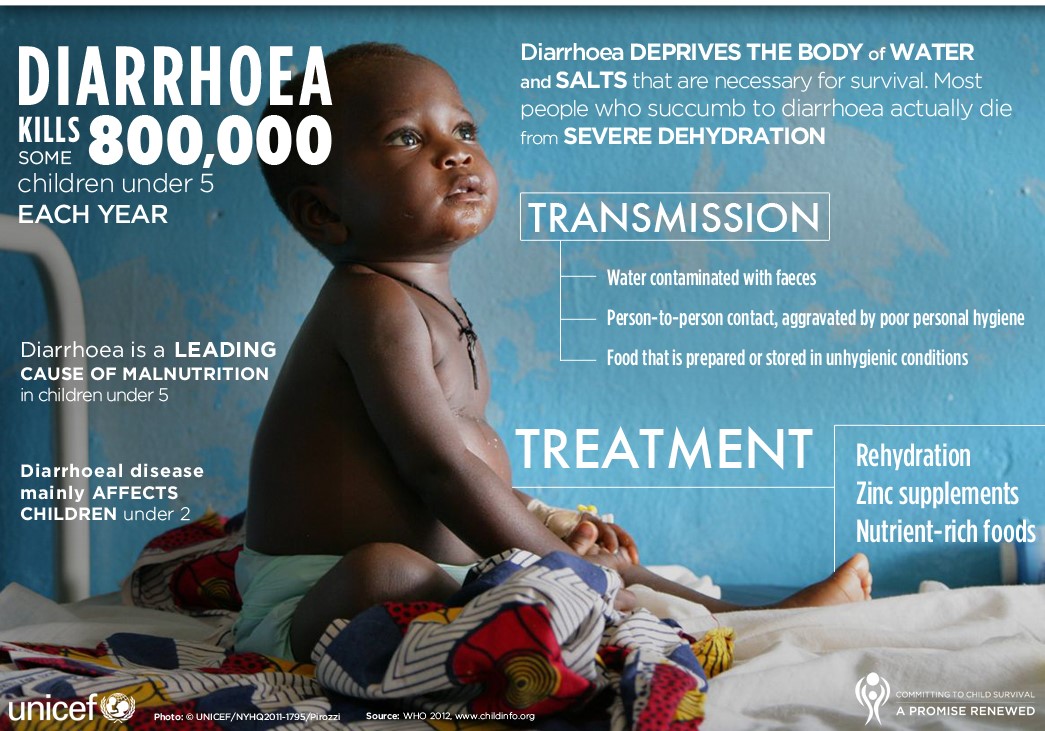
Replacement of fluid and electrolytes orally can be achieved by giving oral rehydration salts (solutions containing sodium, potassium, citrate and glucose). Acute diarrhoea in children should always be treated with oral rehydration solution (ORS) and zinc according to WHO recommended plan A, B, or C as shown below.

WHO guideline for the classification of dehydration and recommended treatment regimen

NO DEHYDRATION – Treatment Plan A (see below)

  • Appearance: Well, alert
  • Eyes: Normal
  • Thirst: Drinks normally, not thirsty
  • Skin pinch: Goes back quickly (<1 second)

MODERATE DEHYDRATION – Treatment Plan B (see below)

  • Appearance: Restless, irritable
  • Eyes: Sunken
  • Thirst: Thirsty, drinks eagerly
  • Skin pinch: Goes back slowly (1 second)

SEVERE DEHYDRATION – Treatment Plan C (see below)

  • Appearance: Lethargic, or unconscious; floppy
  • Eyes: Very sunken
  • Thirst: Drinks poorly or not able to drink
  • Skin pinch: Goes back very slowly (≥2 seconds)

Recommendations for managing acute diarrhoea (without blood)

The objectives of treatment are to:

  • prevent dehydration, if there are no signs of dehydration;
  • treat dehydration, when it is present;
  • prevent nutritional damage, by feeding during and after diarrhoea; and
  • reduce the duration and severity of diarrhoea, and the occurrence of future episodes, by giving supplemental zinc.

These objectives can be achieved by following the WHO recommended treatment plan A, B, or C depending on the degree of dehydration.

Treatment Plan A: NO DEHYDRATION. Children with no signs of dehydration need extra fluids and salt to replace their losses of water and electrolytes due to diarrhoea. These measures are essential to prevent dehydration. Explain to the parents the importance of giving the child more fluids than usual to prevent dehydration and continuing to feed the child to prevent malnutrition at home. They should also be advised about circumstances in which they should seek further advice or take the child to a health worker. These steps are summarized in the four rules of Treatment Plan A:

Rule 1: Give the child more fluids than usual, to prevent dehydration. Suitable fluids include at least one fluid that normally contains salt (e.g. ORS solution, salted drinks including salted rice water and vegetable or chicken soup with salt); Fluids that do NOT contain salt (e.g. unsalted soup, unsalted rice water, yoghurt or plain water). Give as much fluid as the child wants until diarrhoea stops and, as a guide, after each loose stool give:

  • Child (<2 years): 50–100 mL (a quarter to half a large cup) of fluid;
  • Child (2–10 years): 100–200 mL (a half to one large cup);
  • Child (> 10 years): Give as much fluid as the child wants

Rule 2: Give supplemental Zinc (10 – 20 mg) to the child, every day for 10 to 14 days.

  • Infant (<6 months): 10 mg (elemental zinc) daily for 10–14 days.
  • Infant or Child (>6 months): 20 mg (elemental zinc) daily for 10–14 days.

Giving zinc as soon as diarrhoea starts helps to reduce the duration and severity of the episode as well as the risk of dehydration. Continuing zinc supplementation for 10 to 14 days helps to fully replace the zinc lost during diarrhoea and also reduces the risk of the child having new episodes of diarrhoea in the following 2 to 3 months.

Rule 3: Continue to feed the child, to prevent malnutrition. The aim is to give as much nutrient-rich food as the child will accept. Breastfeeding should always be continued to reduce the risk of diminishing supply.

Rule 4: Take the child to a health worker if there are signs of dehydration or other problems.

The mother should take her child to a health worker if the child: starts to pass many watery stools; has repeated vomiting; becomes very thirsty; is eating or drinking poorly; develops a fever; has blood in the stool, or the child does not get better in three days.

Treatment Plan B: MODERATE DEHYDRATION. Children with some dehydration should receive oral rehydration therapy (ORT) with ORS solution in a health facility following Treatment Plan B. Whatever the child’s age, a 4-hour treatment plan is applied to avoid short-term problems.

Administer approximately 75 mL/kg of ORS in the first 4 hours:

  • Below 4 months (or <5 kg): 200–400 mL
  • 4–11 months (or 5–7.9 kg): 400–600 mL
  • 12–23 months (or 8–10.9 kg): 600–800 mL
  • To 4 years (or 11–15.9 kg): 800–1,200 mL
  • To 14 years (or 16–29.9 kg): 1,200–2,200 mL
  • 15 years or older (or 30 kg and above): 2,200–4,000 mL

NOTE:

  1. The amount of ORS solution needed for rehydration is calculated based on the child’s weight. Use the patient’s age only when the weight is not known. The amount may also be estimated by multiplying the child’s weight in kg times 75 mL.
  2. A larger amount of solution (Child up to 20 mL/kg/hour and Adult up to 750 mL/hour) can be given if the patient continues to have frequent stools or wants more than the estimated amount of ORS solution, and there are no signs of overhydration (e.g. oedematous eyelids).
  3. Show the mother how to give ORS solution, a teaspoonful every 1-2 minutes for a child <2 years.
  4. In case of vomiting, rehydration must be discontinued for 10 minutes and then resumed at a slower rate.
  5. Check the child’s eyelids. Edematous (puffy) eyelids are a sign of overhydration. If this occurs, stop giving ORS solution, but give breast milk or plain water, and food. Do not give a diuretic. When oedema has gone, resume giving ORS solution or home fluids according to Treatment Plan A.
  6. In younger children, breastfeeding should be continued on demand and the mother should be encouraged to do so; older children should receive milk and nutritious food as normal after completing the 4-hour oral rehydration.
  7. Begin to give zinc supplementation, as in Treatment Plan A, as soon the child is able to eat and has completed 4 hours of rehydration.
  8. After 4 hours, reassess the child’s status (look for signs of dehydration) to decide on the most appropriate subsequent treatment:
    • Severe dehydration: If signs of severe dehydration have appeared, IV therapy should be started following WHO Treatment Plan C. This is very unusual, however, occurring only in children who drink ORS solution poorly and pass large watery stools frequently during the rehydration period.
    • Moderate dehydration: If the child still has signs indicating some dehydration, continue oral rehydration therapy by repeating the treatment described above. At the same time, start to offer food, milk and other fluids, as described in WHO Treatment Plan A, and continue to reassess the child frequently.
    • No dehydration: Oral rehydration solution should continue to be offered once dehydration has been controlled, for as long as the child continues to have diarrhoea. Teach the mother the 4 rules of home treatment.

Treatment Plan C: SEVERE DEHYDRATION. Hospitalization is necessary, but the most urgent priority is to start rehydration. The preferred treatment for children with severe dehydration is rapid intravenous rehydration. In hospital (or elsewhere), if the child can drink, oral rehydration solution should be given during the intravenous rehydration (20 mL/kg/hour by mouth before infusion, then 5 mL/kg/hour by mouth during intravenous rehydration). For intravenous rehydration, it is recommended that compound solution of sodium lactate (or, if this is unavailable, sodium chloride 0.9% intravenous infusion) is administered at a rate adapted to the child’s age.

Intravenous rehydration using compound sodium lactate solution or sodium chloride 0.9% infusion

By IV:

Infant: 30 mL/kg over 1 hour, then 14 mL/kg/hour for 5 hours.

Child: 30 mL/kg over 30 minutes, then 28 mL/kg/hour for 2.5 hours.

If the intravenous route is unavailable, a nasogastric tube is also suitable for administering oral rehydration solution.

Nasogastric rehydration using oral rehydration solution

By Nasogastric tube:

Infant or Child: 20 mL/kg/hour for 6 hours (total 120 mL/kg).

If the child vomits, the rate of administration of the oral solution should be reduced. Reassess the child’s status after 3 hours (6 hours for infants) and continue treatment as appropriate with plan A, B or C.

For further reading:

  1. Clinical management of acute diarrhoea – WHO/UNICEF Joint Statement [Internet]. [cited 2019 Jul 7]. Available from: https://apps.who.int/iris/bitstream/handle/10665/68627/WHO_FCH_CAH_04.7.pdf;jsessionid=D2C22C5302AE0608A54856E90A043334?sequence=1
  2. MNCH Commodities-OralRehydration.pdf [Internet]. [cited 2019 Jul 5]. Available from: https://www.ghsupplychain.org/sites/default/files/2019-02/MNCH%20Commodities-OralRehydration.pdf
  3. WHO Model Formulary for Children 2010. Based on the Second Model List of Essential Medicines for Children 2009 [Internet]. [cited 2019 Jul 6]. Available from: http://apps.who.int/medicinedocs/en/m/abstract/Js17151e/
  4. WHOdiarrheaTreatmentENGL1.pdf [Internet]. [cited 2019 Jul 6]. Available from: http://www.zinctaskforce.org/wp-content/uploads/2011/06/WHOdiarrheaTreatmentENGL1.pdf

NIH study finds long-term increased risk of cancer death following common treatment for hyperthyroidism

NIH study finds long-term increased risk of cancer death following common treatment for hyperthyroidism

Findings from a study of patients who received radioactive iodine (RAI) treatment for hyperthyroidism show an association between the dose of treatment and long-term risk of death from solid cancers, including breast cancer. The study, led by researchers at the National Cancer Institute (NCI), part of the National Institutes of Health (NIH), was published July 1, 2019 in JAMA Internal Medicine.

“We identified a clear dose-response relationship between this widely used treatment and long-term risk of death from solid cancer, including breast cancer, in the largest cohort study to date of patients treated for hyperthyroidism,” said Cari Kitahara, Ph.D., of NCI’s Division of Cancer Epidemiology and Genetics, lead author of the study .

RAI, which has been used widely in the United States for the treatment of hyperthyroidism since the 1940s, is one of three commonly used treatments for hyperthyroidism. The other two are anti-thyroid drugs, which have been rising in popularity, and surgical treatment, which is used least often.

The new findings are from a long-term follow-up study of a large cohort of people with hyperthyroidism (mainly Graves’ disease) who were treated with radiation between 1946 and 1964, the Cooperative Thyrotoxicosis Therapy Follow-up Study. In the new analysis — which included nearly 19,000 people from the original cohort, all of whom had received RAI and none of whom had had cancer at study entry — the researchers used a novel, comprehensive method of estimating radiation doses to each organ or tissue. Most of the radiation is absorbed by the thyroid gland, but other organs like the breast and stomach are also exposed during treatment.

Based on these findings, the researchers estimated that for every 1,000 patients aged 40 years with hyperthyroidism who were treated with the radiation doses typical of current treatment, a lifetime excess of 19 to 32 radiation-attributable solid cancer deaths would be expected.

“We found the increased risks of death from solid cancer overall and from breast cancer more specifically to be modest, but RAI is still a widely used treatment for hyperthyroidism,” Dr. Kitahara said. “It’s important for patients and their physicians to discuss the risks and benefits of each available treatment option. The results of our study may contribute to these discussions.”

The researchers wrote that additional research is needed to more comprehensively assess the risk-benefit ratio of radiation versus other available treatment options for hyperthyroidism. Furthermore, because the types of anti-thyroid drugs administered to patients in the original cohort were different from those prescribed more recently, the researchers wrote that more studies are needed to evaluate long-term health effects of current anti-thyroid drugs, including in comparison to RAI treatment.

Source: News Releases, National Institutes of Health, July 1, 2019

FDA approves new ‘female Viagra’

FDA approves new treatment for hypoactive sexual desire disorder in premenopausal women

Bremelanotide for the treatment of hypoactive sexual desire disorder (HSDD) in premenopausal women

[FDA News Release, June 21, 2019] – The U.S. Food and Drug Administration today approved Vyleesi (bremelanotide) to treat acquired, generalized hypoactive sexual desire disorder (HSDD) in premenopausal women.

“There are women who, for no known reason, have reduced sexual desire that causes marked distress, and who can benefit from safe and effective pharmacologic treatment. Today’s approval provides women with another treatment option for this condition,” said Hylton V. Joffe, M.D., M.M.Sc., director of the Center for Drug Evaluation and Research’s Division of Bone, Reproductive and Urologic Products. “As part of the FDA’s commitment to protect and advance the health of women, we’ll continue to support the development of safe and effective treatments for female sexual dysfunction.”

HSDD is characterized by low sexual desire that causes marked distress or interpersonal difficulty and is not due to a co-existing medical or psychiatric condition, problems within the relationship or the effects of a medication or other drug substance. Acquired HSDD develops in a patient who previously experienced no problems with sexual desire. Generalized HSDD refers to HSDD that occurs regardless of the type of sexual activity, situation or partner.

Vyleesi activates melanocortin receptors, but the mechanism by which it improves sexual desire and related distress is unknown. Patients inject Vyleesi under the skin of the abdomen or thigh at least 45 minutes before anticipated sexual activity and may decide the optimal time to use Vyleesi based on how they experience the duration of benefit and any side effects, such as nausea. Patients should not use more than one dose within 24 hours or more than eight doses per month. Patients should discontinue treatment after eight weeks if they do not report an improvement in sexual desire and associated distress.

The most common side effects of Vyleesi are nausea and vomiting, flushing, injection site reactions and headache. About 40% of patients in the clinical trials experienced nausea, most commonly with the first Vyleesi injection, and 13% needed medications for the treatment of nausea. About 1% of patients treated with Vyleesi in the clinical trials reported darkening of the gums and parts of the skin, including the face and breasts, which did not go away in about half the patients after stopping treatment. Patients with dark skin were more likely to develop this side effect.

In the clinical trials, Vyleesi increased blood pressure after dosing, which usually resolved within 12 hours. Because of this effect, Vyleesi should not be used in patients with high blood pressure that is uncontrolled or in those with known cardiovascular disease. Vyleesi is also not recommended in patients at high risk for cardiovascular disease.

When naltrexone is taken by mouth, Vyleesi may significantly decrease the levels of naltrexone in the blood. Patients who take a naltrexone-containing medication by mouth to treat alcohol or opioid dependence should not use Vyleesi because it could lead to naltrexone treatment failure.

Research and writing made possible thanks to the generous sponsorship from Pemason Pharmaceutical Limited – owned by Pharmacists and operated by a team of Pharmacists with a commitment to quality pharmaceuticals & drug information

To sponsor EMDEX Topic(s) i.e., Medication Management of Diseases, Therapeutic Notes or Development of Drug Monographs, please contact Editor@EmdexOnline.com

Source: FDA News Release, June 21, 2019

How safe is Augmentin 625mg in first trimester of pregnancy?

How safe is Augmentin 625mg in first trimester of pregnancy?

Co-amoxiclav (Augmentin) is classified as FDA Pregnancy Risk Category B i.e., animal reproduction studies have failed to demonstrate a risk to the fetus and there are no adequate and well-controlled studies in pregnant women. Augmentin package insert published in DailyMed states it should be used during pregnancy only if clearly needed.

The association between early maternal exposure to amoxicillin and oral clefts remains controversial. One study finds that amoxicillin use in early pregnancy may be associated with an increased risk of oral clefts. The same study did not find associations between first-trimester exposure to amoxicillin and the risk of most other major birth defects, such as cardiovascular system, central nervous system, gastrointestinal system, urinary system defects and musculoskeletal system defects.

A rational pharmacotherapy approach will be:

INDICATION: Does the mother have a condition for which co-amoxiclav is clearly indicated?

EFFICACY: Is co-amoxiclav shown to be effective for the diagnosed condition? What is the place of co-amoxiclav for the treatment of the condition?

SAFETY: What are the common side effects of co-amoxiclav? Are there safer alternatives for the management of the condition? For instance, amoxicillin vs co-amoxiclav?

COMPLIANCE: Is the mother able to take the prescribed course i.e., cost & convenience?

Research and writing made possible thanks to the generous sponsorship from Pemason Pharmaceutical Limited – owned by Pharmacists and operated by a team of Pharmacists with a commitment to quality pharmaceuticals & drug information

To sponsor EMDEX Topic(s) i.e., Medication Management of Diseases, Therapeutic Notes or Development of Drug Monographs, please contact Editor@EmdexOnline.com

Footnote (Medscape.com):

We all know to be cautious when prescribing antibiotics to women who are pregnant. A new CDC analysis looked at a commercial insurance database to assess this further.

Among almost 35,000 pregnant women treated for urinary tract infections (UTIs) in their first trimester, nearly 35% received nitrofurantoin and about 8% received trimethoprim-sulfamethoxazole (TMP/SMX).

This is despite recommendations that these antibiotics should be avoided during the first trimester unless there are no alternatives. Options thought to be safe during pregnancy are amoxicillin-clavulanate, cephalosporins, and Fosfomycin…

Further Footnote from MotherToBaby.com:

See the Q&As from Amoxicillin/Clavulanate factsheet here: https://mothertobaby.org/fact-sheets/amoxicillin-clavulanate/

References:

  1. DailyMed – AUGMENTIN – amoxicillin and clavulante potassium tablet, film coated AUGMENTIN – amoxicillin and clavulante potassium tablet [Internet]. [cited 2019 Jun 20]. Available from: https://dailymed.nlm.nih.gov/dailymed/drugInfo.cfm?setid=d567412a-e5ed-4c7f-90f0-ea3039786480
  2. Lin KJ, Mitchell AA, Yau W-P, Louik C, Hernández-Díaz S. Maternal Exposure to Amoxicillin and the Risk of Oral Clefts. Epidemiol Camb Mass. 2012 Sep;23(5):699–705.
  3. Avoid These Antibiotics in the First Trimester of Pregnancy [Internet]. Medscape. [cited 2019 Jun 20]. Available from: http://www.medscape.com/viewarticle/891799

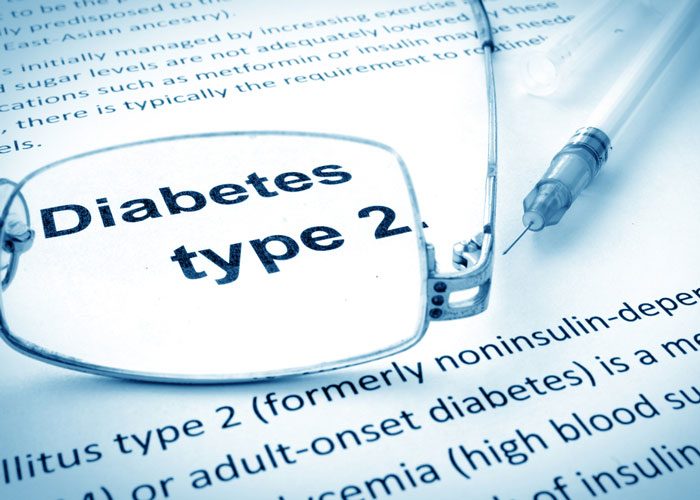
FDA approves new treatment for pediatric patients with type 2 diabetes

FDA approves new treatment for pediatric patients with type 2 diabetes

Liraglutide (Victoza) shown to improve blood sugar control in pediatric patients with type 2 diabetes

[June 17, 2019] – The U.S. Food and Drug Administration today approved Victoza (liraglutide) injection for the treatment of pediatric patients 10 years or older with type 2 diabetes. Victoza is the first non-insulin drug approved to treat type 2 diabetes in pediatric patients since metformin was approved for pediatric use in 2000. Victoza has been approved to treat adult patients with type 2 diabetes since 2010.

“Victoza has now been shown to improve blood sugar control in pediatric patients with type 2 diabetes. The expanded indication provides an additional treatment option at a time when an increasing number of children are being diagnosed with this disease,” said Lisa Yanoff, M.D, acting director of the Division of Metabolism and Endocrinology Products in the FDA’s Center for Drug Evaluation and Research.

Type 2 diabetes is the most common form of diabetes, occurring when the pancreas cannot make enough insulin to keep blood sugar at normal levels. Although type 2 diabetes primarily occurs in patients over the age of 45, the prevalence rate among younger patients has been rising dramatically over the past couple of decades. In the U.S., more than 5,000 new cases of type 2 diabetes are diagnosed each year among youths younger than age 20.

Victoza improves blood sugar levels by creating the same effects in the body as the glucagon-like peptide (GLP-1) receptor protein in the pancreas. GLP-1 is often found in insufficient levels in type 2 diabetes patients. Like GLP-1, Victoza slows digestion, prevents the liver from making too much glucose (a simple sugar), and helps the pancreas produce more insulin when needed. As noted on the label, Victoza is not a substitute for insulin and is not indicated for patients with type 1 diabetes or those with diabetic ketoacidosis, a condition associated with diabetes where the body breaks down fat too quickly because there is inadequate insulin or none at all. Victoza is also indicated to reduce the risk of major adverse cardiovascular events in adults with type 2 diabetes and established cardiovascular disease; however, its effect on major adverse cardiovascular events in paediatrics was not studied and it is not indicated for this use in children.

The efficacy and safety of Victoza for reducing blood sugar in patients with type 2 diabetes was studied in several placebo-controlled trials in adults and one placebo-controlled trial with 134 pediatric patients 10 years and older for more than 26 weeks. Approximately 64% of patients in the pediatric study had a reduction in their haemoglobin A1c (HbA1c) below 7% while on Victoza, compared to only 37% who achieved these results with the placebo. HbA1c is a blood test that is routinely performed to evaluate how well a patient’s diabetes is controlled, and a lower number indicates better control of the disease. These results occurred regardless of whether the patient also took insulin at the same time. Adult patients who took Victoza with insulin or other drugs that increase the amount of insulin the body makes (e.g., sulfonylurea) may have an increased risk of hypoglycemia (low blood sugar). Meanwhile, pediatric patients 10 years and older taking Victoza had a higher risk of hypoglycemia regardless of whether they took other therapies for diabetes.

The prescribing information for Victoza includes a Boxed Warning to advise health care professionals and patients about the increased risk of thyroid C-cell tumours. For this reason, patients who have had, or have family members who have ever had medullary thyroid carcinoma (MTC) should not use Victoza, nor should patients who have an endocrine system condition called multiple endocrine neoplasia syndrome type 2 (MEN 2). In addition, people who have a prior serious hypersensitivity reaction to Victoza or any of the product components should not use Victoza. Victoza also carries warnings about pancreatitis, Victoza pen sharing, hypoglycemia when used in conjunction with certain other drugs known to cause hypoglycemia including insulin and sulfonylurea, renal impairment or kidney failure, hypersensitivity and acute gallbladder disease. The most common side effects are nausea, diarrhoea, vomiting, decreased appetite, indigestion and constipation.

Source: FDA News Release, June 17, 2019

Vinpocetine: FDA warns of dangers of miscarriage and harm to fetal development

FDA strengthens warning that untreated constipation caused by clozapine can lead to serious bowel problems

June 3, 2019: U.S. Food and Drug Administration issued a warning advising pregnant women and women who could become pregnant to not take dietary supplements containing vinpocetine due to possible reproductive safety risks. According to data reviewed by the FDA, including a recent report by the National Institute of Health’s (NIH) National Toxicology Program (NTP), consumption of vinpocetine is associated with adverse reproductive effects – in other words, vinpocetine may cause a miscarriage or harm fetal development.

Vinpocetine is a synthetically produced compound marketed in Nigeria under the brand names Cognitol® and Innovitol®. It may also be contained in certain products marketed as dietary supplements, either by itself or combined with other ingredients. Vinpocetine may be referred to on product labels as

  • Vinca minor extract,
  • Lesser periwinkle extract, or
  • Common periwinkle extract.

Dietary supplements containing vinpocetine are often marketed for uses that include enhanced memory, focus, or mental acuity; increased energy; and weight loss.

Scientists who have studied the effects of vinpocetine on pregnant animals concluded that vinpocetine decreased fetal weight and increased the chances of a miscarriage. The blood levels of vinpocetine measured in the pregnant animals were similar to those reported in people after taking a single dose of vinpocetine, indicating that pregnant women may experience adverse effects from vinpocetine similar to those seen in the pregnant animals.

FDA is advising firms marketing dietary supplements containing vinpocetine to evaluate their product labeling to ensure that it provides safety warnings against use by pregnant women and women who could become pregnant.

Source:

FDA Statement on warning for women of childbearing age about possible safety risks of dietary supplements containing vinpocetine